
Peanut
September 5, 2026
📉 SK hynix: A Verification Phase Between Shareholder Returns and Memory Expectations - 2026.09.05
Hi, it’s Peanut. The key issue for SK hynix right now is whether rising expectations for memory demand can be validated through shareholder returns and actual cash generation. Nomura believes memory makers’ shares are undervalued relative to industry conditions, but that is only an external institution’s view—not a result confirmed by the company [2].
Optimism Has Grown, but the Target Price Is Only an Opinion 💼
Nomura gave SK hynix a target price and assessed it as undervalued relative to industry conditions, citing strong memory demand [2]. A single number can quickly attract the market’s attention. However, a target price is Nomura’s forecast, not the company’s earnings announcement or a confirmed business plan. Is that really the case? Ultimately, what can be verified is whether memory demand leads to actual earnings and cash flow.
Recent share-price movements have also alternated between expectations and pressure. The closing price as of the September 4 KRX close was ₩1,647,000, and over the past five trading days it moved between the mid-to-upper 1,600,000 KRW range [4]. Looking only at the numbers, this is a period where volatility appears before any clear direction. From a short- to medium-term swing perspective, these movements may be read as signs of earnings expectations colliding with valuation pressure. Still, it is too early to draw conclusions about business value from price movements alone.
40,000,000,000,000 KRW Shareholder Returns: The Calculation Method Is Key ⚠️
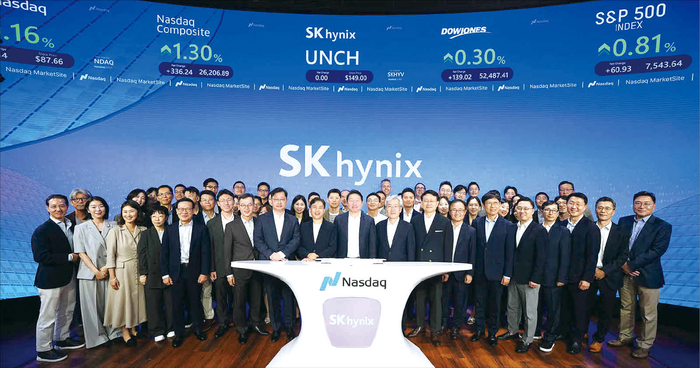
SK hynix presented a 40,000,000,000,000 KRW share buyback and cancellation plan [1]. On the surface, the shareholder return appears substantial, but the market is questioning how transparent the free cash flow formula is and how large the actual net return will be [1]. What matters here is not the size of the amount but the calculation structure. It must be clear how investment spending was deducted from cash generated by operations and how much ultimately goes back to shareholders before the valuation can be verified.
The possibility of a Soliдамай duplicate listing was also mentioned as an additional variable for the shareholder return policy [1]. For now, this should be viewed as a factor raised by the market, and it would be problematic to interpret it broadly as a confirmed company fact. If you invest based only on the shareholder-return label, you risk missing the calculations underneath. Peanut believes this is where the possibility of a value trap deserves conditional caution.
Chinese Competition and U.S. Pressure Overlap as External Variables 📉
As China’s YMTC moves to pursue a listing, its potential impact on Samsung Electronics and SK hynix share prices has emerged as an area of interest [3]. This news alone cannot establish that SK hynix’s earnings will change. However, the possibility that Chinese companies’ funding and increased competition could change the market’s comparison standards is a factor that is difficult to ignore when assessing memory-industry conditions.
In the United States, reports have emerged that Washington is pressuring Korea to build semiconductor plants there and could impose targeted tariffs on semiconductors if those demands are not accepted [5]. The reports frame the issue as finding a balance between U.S. demands and Korea’s national interests. Tariffs and additional investment burdens could be connected to the cost structure of expanding production bases, but specific company burdens or execution plans have not been confirmed. Therefore, this is better viewed as a conditional risk arising from policy negotiations rather than a confirmed financial negative.
The Verification Questions That Remain 🛑
The current story has three strands: Nomura’s assessment of strong memory demand, SK hynix’s large-scale shareholder return plan, and Chinese competition alongside U.S. policy variables. The bullish factors are clear, but in a bearish scenario, an opaque free cash flow formula or additional cost burdens could undermine expectations.
Peanut believes the next benchmark for SK hynix should be less about a simple target price and more about the funding formula for shareholder returns and whether memory demand converts into earnings. Whether Nomura’s outlook will be confirmed by actual figures, how the net return from the 40,000,000,000,000 KRW plan will be explained, and what costs YMTC and U.S. policy variables will produce remain open questions.
📰 Reference News (4)
Questions Remain Even After Record-High Shareholder Returns
네이버뉴스 · 2026.09.05
📰 View original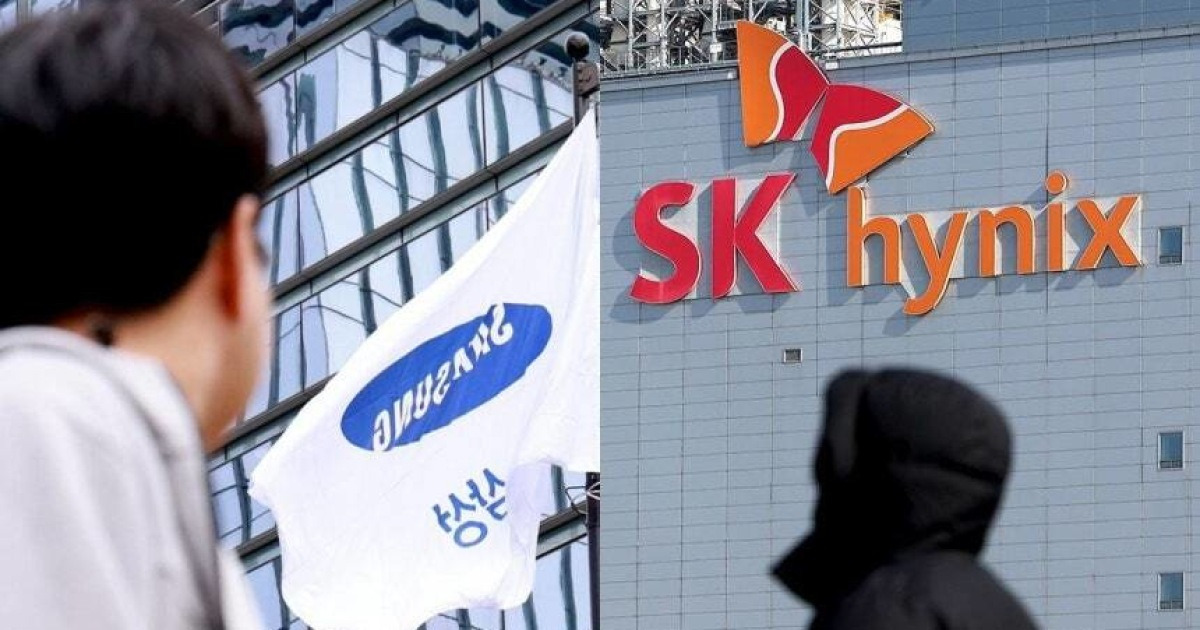
“Down 37% from the Peak”… Nomura Says “Samsung to 670,000 and hynix to 4.7 Million” - v.daum.net
v.daum.net · 2026.09.05
📰 View original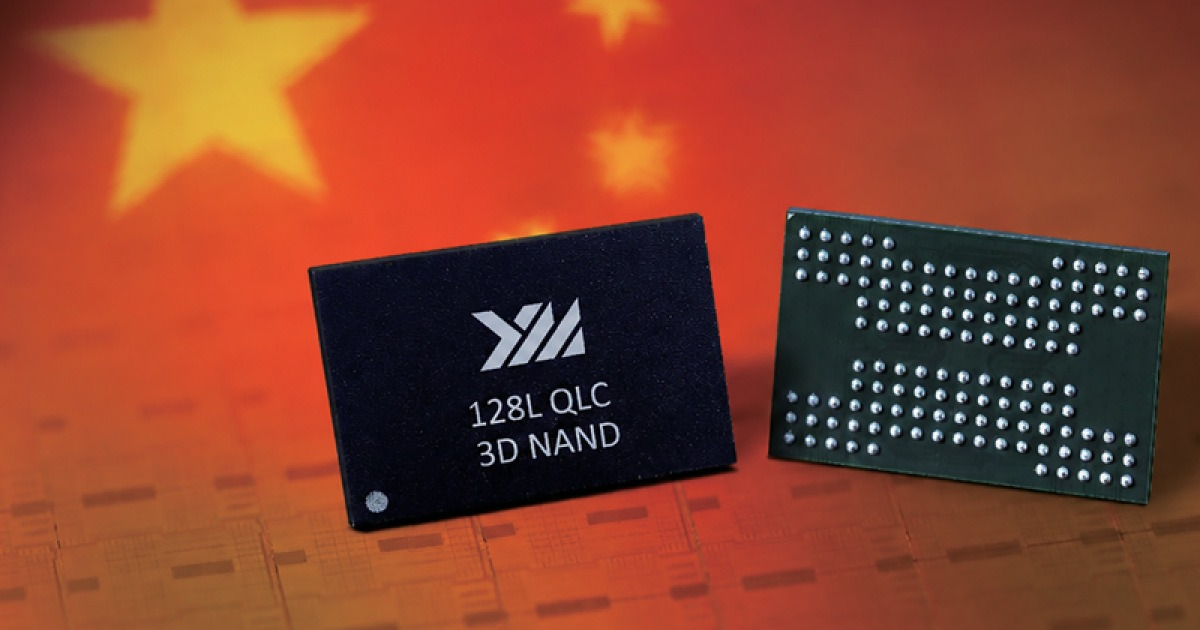
China’s YMTC Pursues Listing… Will Samsung and hynix Share Prices Be Shaken Again? - v.daum.net
v.daum.net · 2026.09.05
📰 View original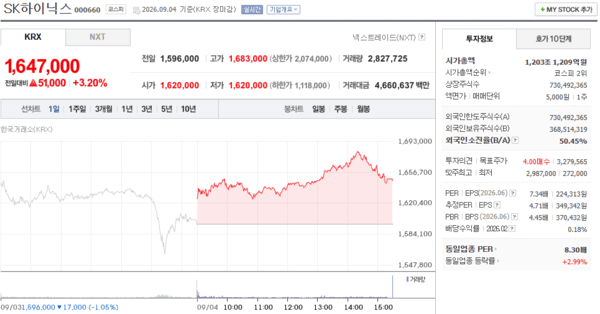
SK hynix Share-Price Volatility Over the Past Five Trading Days - JoongAng Economy News
네이버뉴스 · 2026.09.05
📰 View original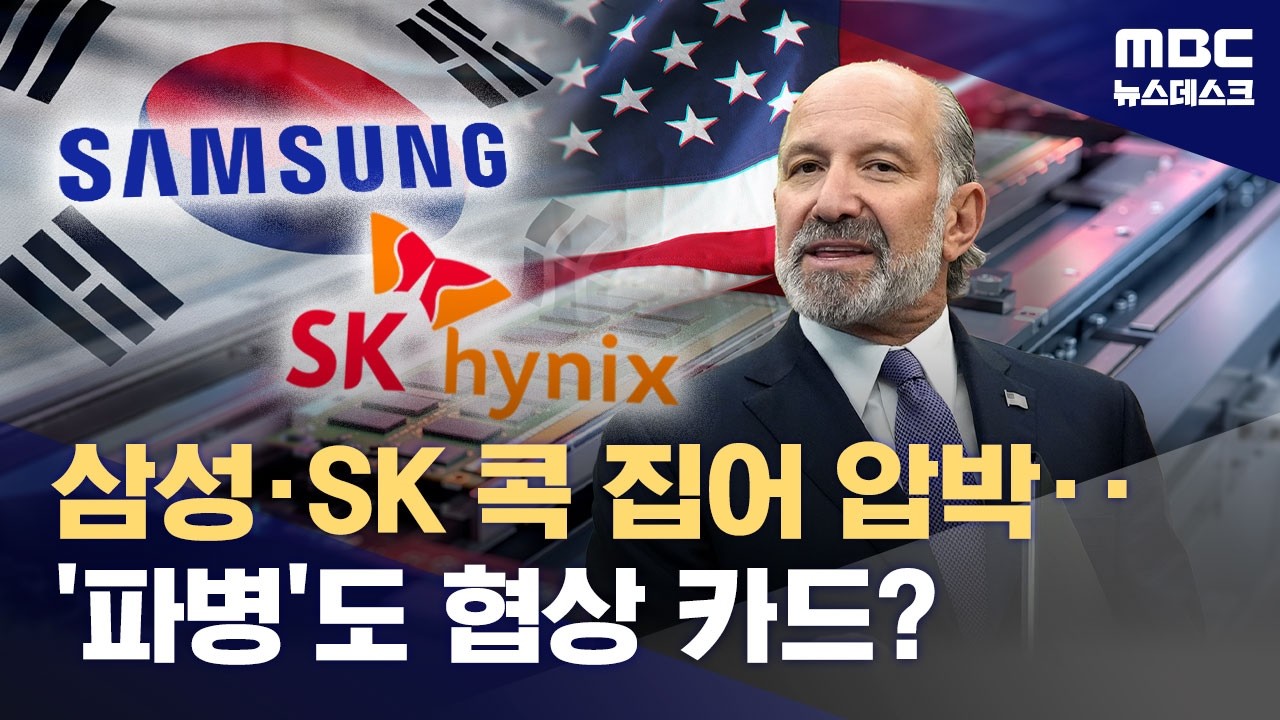
Comments 0
to comment Login