
Acorn
August 4, 2026
🔗 LG Electronics Expands Its Value Chain Through AI Home, Physical AI, and Cooling - 2026.08.04
Hi, it’s Dotori. The key issue for LG Electronics today is how far a home-appliance company can expand beyond simply adding AI, into an industrial value chain linking semiconductors, robots, and cooling. With the domestic development of AI Home SoCs, physical AI on manufacturing floors, and new heating, ventilation, and air-conditioning products emerging all at once, the business map is becoming quite tightly connected. However, as the links multiply, we also need to watch how they translate into actual customers and revenue.
🔗 Let’s Start with the Big Picture: AI Enters Home Appliances
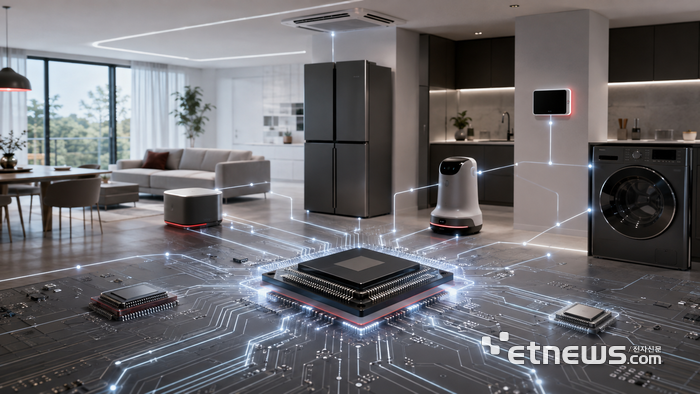
LG Electronics is pursuing the domestic development of a full lineup of AI Home SoCs that can be applied from premium to entry-level products [1]. The important point is not simply replacing one component, but establishing a foundation for expanding AI Home functions across the entire range of product prices.
Structurally, the smart-home competition is shifting from the functions of a single refrigerator or washing machine toward the experience of connecting and controlling multiple appliances. If the SoC lineup extends beyond premium products to entry-level ones, the key question is whether AI Home can become a common pillar across product categories rather than a decorative feature for certain product groups. Of course, pursuing domestic development does not immediately mean improved profitability, and the scope of application and actual user response remain the next questions.
⚙️ First Priority: AI Home; Second Priority: Manufacturing Floors
LG CNS and LG Electronics are expanding their physical AI business for manufacturing sites based on infrastructure construction worth 190,000,000,000 KRW [2]. The plan centers on introducing robot learning and operating platforms into manufacturing environments. Rather than AI in the home and AI in the factory operating separately, this is a picture of technologies for training and operating artificial intelligence spreading across different sites.
If we divide the beneficiaries by value-chain tier, the first priority is AI Home SoCs and smart-home product lines, the second is manufacturing-site business including robot learning and operating platforms, and the third is industrial equipment areas such as cooling and HVAC. This is not a confirmed ranking of financial results, but a distinction based on the stages of business linkage identified in the materials. In relay-race terms, home appliances are the lead runner, while robots and cooling receive the baton from behind. But passing the baton well and crossing the finish line are different matters. Repeatability at deployment sites and the revenue model are the key variables.
🏭 HVAC: Beyond Residential Spaces to Data Centers
LG Electronics is introducing medium-static-pressure duct-type indoor units targeting residential and light-commercial markets where ceiling space is limited, while pursuing opportunities in the Middle East and Europe [3]. At the same time, it has also presented plans to expand AI data-center cooling solutions and its heat-pump business.
Looking one step deeper, the significance of the HVAC business does not end with adding one more product type. HVAC for residential and commercial spaces and data-center cooling serve different customers and environments, but share the common axis of thermal management. From an industrial perspective, the key point is whether LG Electronics can connect its cooling capabilities built up in home appliances to a broader equipment market. However, as the Middle East and Europe initiatives and data-center cooling expansion have been presented as business directions, actual supply growth and profitability must be verified separately.
📚 Subscriptions as the Service Pillar, U.S. Supply Reports as a Verification Point
Home-appliance subscriptions ranked first for two consecutive years in the home-appliance subscription category of the National Brand Competitiveness Index by the Korea Productivity Center. LG Electronics said it plans to introduce subscription models tailored to changing customers while expanding beyond product sales into a service business providing consultation, installation, management, and after-sales service [4]. If AI Home is the pillar that strengthens connectivity within products, subscriptions are the pillar that bundles management and services throughout the period of product use. When the two trends interact, there appears to be room for the home-appliance business to expand its scope.
Meanwhile, Newspim reported that LG Electronics is pursuing the first supply of an NVIDIA-certified CDU to a U.S. big-tech company [5]. However, this should be viewed only as a reported plan based on the media outlet’s coverage, not as a confirmed supply fact announced by the company. It is true that AI Home, physical AI, and data-center cooling all point in the same direction, but the remaining challenge is how much technology and business opportunities will actually lead to contracts and recurring revenue. Dotori sees this trend as a conditional link for business expansion. The next point to watch is the speed at which each business actually combines its customers and technologies with those of the others.
📰 Reference News (5)
LG Electronics to Domestically Develop Full AI Home SoC Lineup… From Premium to Entry-Level - Electronic Times
전자신문 · 2026.08.04
📰 View original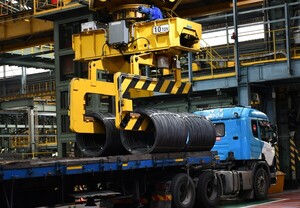
LG vs. POSCO, Physical AI Competition… A ‘Race Against Time’ to Deploy It on Manufacturing Floors
네이버뉴스 · 2026.08.04
📰 View original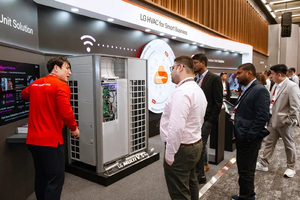
LG Electronics Expands HVAC Lineup… Accelerating Its Push into the Middle East and Europe
네이버뉴스 · 2026.08.04
📰 View original
LG Electronics Ranks First in Home-Appliance Subscriptions for Two Consecutive Years… “We Will Present a Model Tailored to Changing Customers”
네이버뉴스 · 2026.08.03
📰 View original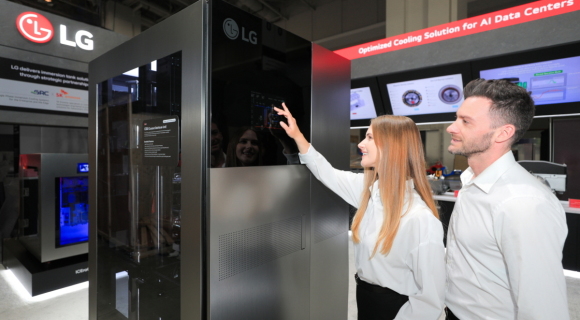
[Exclusive] ‘NVIDIA-Certified’ LG Electronics CDU Pursues First Supply to U.S. Big Tech - Newspim
뉴스핌 · 2026.08.04
📰 View original
Comments 0
to comment Login