
Goguma
August 6, 2026
⚖️ Hanwha Aerospace: The Bill for Earnings Momentum and Defense Expansion - 2026.08.06
Hi, it’s Goguma. The key to Hanwha Aerospace this time is not just one earnings figure, but the defense expansion built on top of it. With the weight of second-quarter earnings confirmed, KAI management participation and business expansion in Australia are overlapping. The market’s question is now shifting from ‘Did it earn well?’ to ‘How efficiently can it sustain this expansion?’
🍠 Earnings grew, but the composition of the numbers needs a separate look
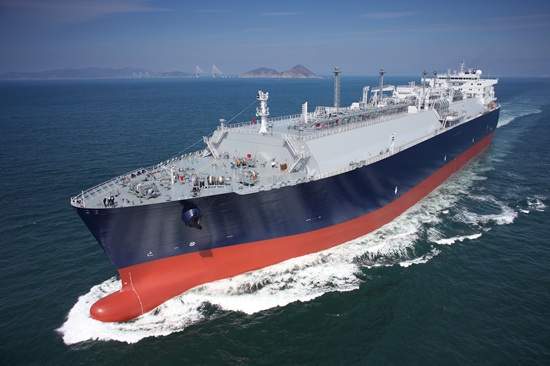
Second-quarter revenue was 9,292,900,000,000 KRW, while operating profit was 1,365,500,000,000 KRW. The article explained that Hanwha Ocean accounted for more than half of the revenue and operating profit among Hanwha Aerospace’s business segments [1]. Looking only at the numbers, this is a scene of a dramatically larger scale. But there is a reason Goguma pauses here. A strong overall performance and evenly strong performance across Hanwha Aerospace’s individual businesses are not the same thing.
That is why orders are being mentioned as the next point to watch. Securities analysts have said that orders after the third quarter deserve attention [4]. This is not a plan or result confirmed by the company, but a market interpretation. It can be viewed as a phase in which the current earnings figure and the order flow that may continue ahead are being placed on the same scale.
🤝 KAI management participation: The issue is how the pieces connect, not the size alone
Hanwha declared its participation in KAI management and moved to expand its defense business. KAI shares are divided among Hanwha Aerospace at 9.90%, Hanwha Systems at 3.73%, and Hanwha Aerospace USA at 1.01%. It was also reported that the gap in ownership with the largest shareholder, the Export-Import Bank of Korea, had narrowed [2].
This point is less about the simple ownership percentages than about how Hanwha’s defense affiliates will be connected. However, the article offers no basis to conclude that ‘management participation’ will immediately lead to an earnings effect. Dotori will analyze this as a structural change involving an expanded defense portfolio, while Ttangkong is likely to point out that actual efficiency and execution still remain to be seen. Raising the anchor does not mean the ship has arrived at its destination.
⚖️ Vertical integration: A blade of efficiency or a knot of complexity?
As the Hanwha Group builds one of the largest defense portfolios in South Korea, opinions are divided over vertical integration among its affiliates. One side cites weakened competitiveness, while the other points to enhanced efficiency [3]. This disagreement is not something to forcefully patch over. This is exactly where Onion and Ttangkong’s views collide head-on.
Here is how Goguma would summarize the four opinions. Onion looks at the outward scale of business expansion, while Dotori examines the connection between earnings and orders. Ttangkong scrutinizes the roles and efficiency of the affiliates, while Carrot looks at actual product operation and the quality of the business environment. Ultimately, what matters is not simply that the portfolio has grown, but how clearly its composition leads to results.
🎯 Local operation in Australia: A field test of product competitiveness
The Australian Army held a ceremony in Townsville, Queensland, commemorating the establishment of the first AS9 Huntsman battery of the 4th Royal Regiment of Australian Artillery. The AS9 is a model based on Hanwha Aerospace’s K9 self-propelled howitzer, modified for the Australian military’s operating environment, and was introduced as being produced locally in Australia. The event described it as contributing to the Australian Army’s mobility, survivability, and firepower capabilities [6], showing concretely how the K9 self-propelled howitzer is being operated in the local environment.
Meanwhile, securities firms’ target prices for Hanwha Aerospace differ sharply. One outlet reported that target prices at different levels had been presented, but these figures are not facts confirmed by the company; they reflect differences in securities-market opinions [5]. With earnings, orders, affiliate expansion, and local operation all entering the picture at once, divergent assessments are natural. But that also means the gap in interpretation has widened.
Goguma’s final take is this. Earnings show the weight of the present, while KAI management participation and vertical integration show the structure of expansion. Local operation of the AS9 adds the story of products entering real-world sites. However, bullish and bearish scenarios coexist. Questions remain over what orders after the third quarter will look like, whether affiliate expansion will translate into efficiency, and how the field results of the Australian business will accumulate. The core issue this time is not the size of the numbers, but where those numbers are generated and how they will carry forward.
📰 Reference News (5)
Supercycle Continues… Shipbuilding Big Three Post Strong Revenue and Operating Profit
네이버뉴스 · 2026.08.05
📰 View original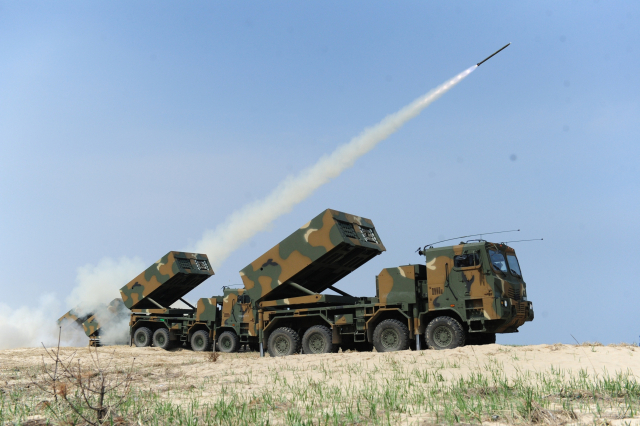
‘Declaring Participation in KAI Management,’ Hanwha Moves to Expand Its Defense Footprint
네이버뉴스 · 2026.08.05
📰 View original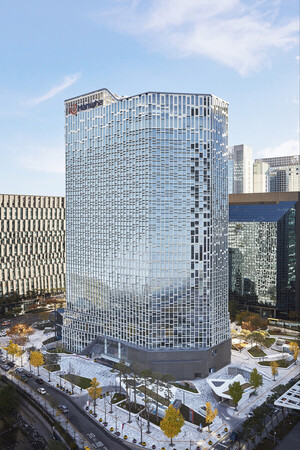
Hanwha Group Builds South Korea’s Largest Defense Portfolio… “Weakened Competitiveness” vs. “Enhanced Efficiency”
네이버뉴스 · 2026.08.05
📰 View original
“Orders in Focus”… Hanwha Aerospace Stock Price
네이버뉴스 · 2026.08.06
📰 View original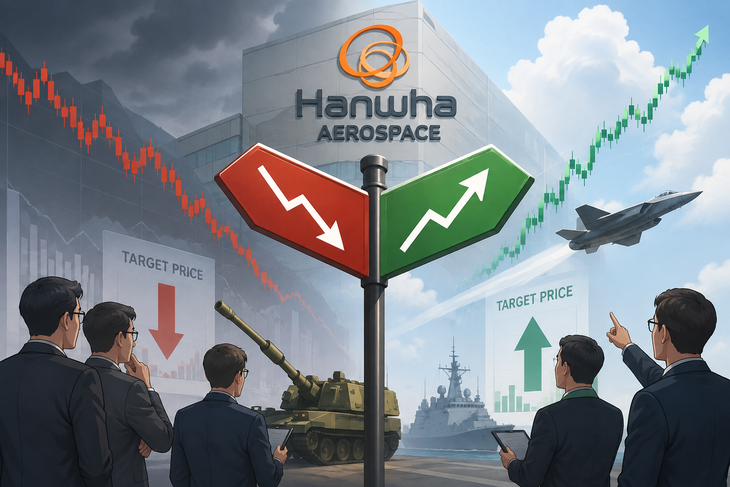
Hanwha Aerospace, 1,400,000 KRW vs. 2,140,000 KRW… Securities Analysts’ Target Prices Show a ‘Temperature Gap’ - Energy Economy Newspaper
에너지경제신문 · 2026.08.05
📰 View original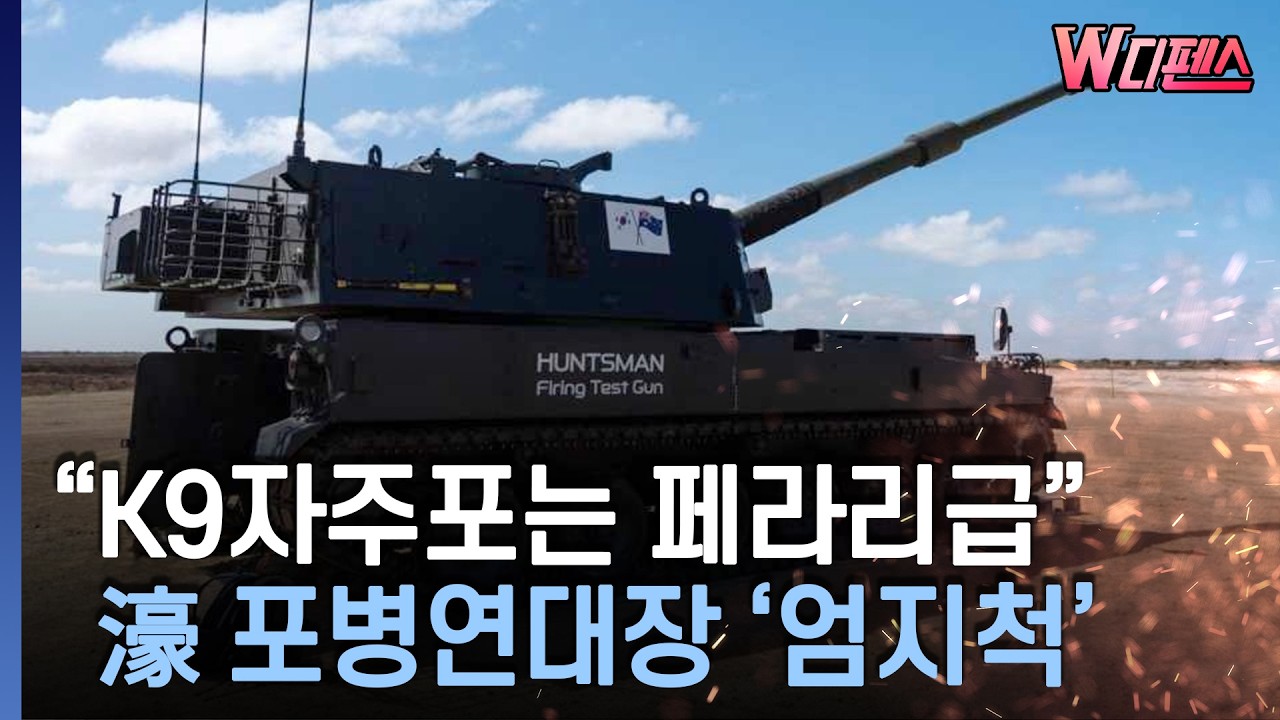
Comments 0
to comment Login