
Acorn
September 6, 2026
🔗 Samsung Electronics: The Gap Between U.S. Investment and AI Appliances - 2026.09.06
Hi, it’s Dotori. On September 6, the most important development at Samsung Electronics was that progress in the U.S. Taylor investment and changes on the European exhibition stage appeared at the same time. Expectations for support grew around the semiconductor production base, while Chinese companies gained a stronger presence in consumer product exhibition halls. Even within the same company, it looked as though the gears were turning at different speeds.
⚙️ Let’s Start with the Big Picture: U.S. Investment Is a Cost and Supply Chain Issue
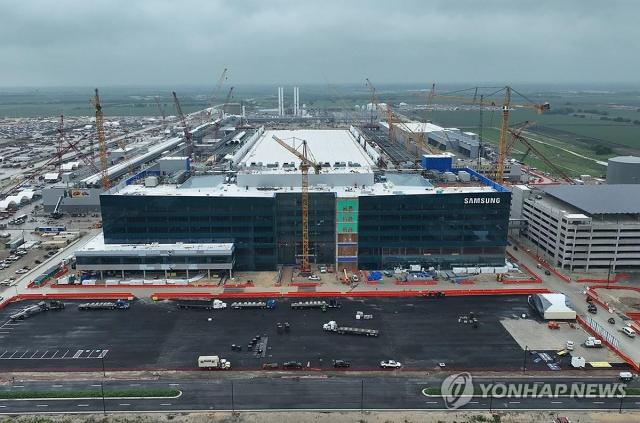
Samsung Electronics is accelerating construction of its second factory in Taylor, Texas, and it was reported that it may receive subsidies worth approximately 6,400,000,000,000 KRW [1]. The article examined the U.S. semiconductor investment environment by comparing U.S. tariff and subsidy pressure with Japan’s cash support. The key issue is not simply expanding factories, but where and under what conditions production capacity is secured.
However, the subsidies are still described as an ‘expectation.’ What support Samsung Electronics has actually secured and how the pace of construction for the second factory will connect to the production schedule remain separate variables. Dotori sees this as a phase in which progress at the U.S. production base is being read before earnings. But moving one large gear called a factory does not immediately set the entire machine in motion.
🏭 The Value Chain Viewed Through First, Second, and Third Priorities
In this material, the value chain can be divided into first priority: U.S. semiconductor production and policy support; second priority: AI-integrated appliances and lifestyle devices; and third priority: links to foldable-related components.
The first priority is the Taylor investment. Because U.S. tariffs and support conditions could affect the competitiveness of the production region, it is directly connected to the supply chain structure of Samsung Electronics’ semiconductor business. The second priority is the AI appliance strategy revealed at IFA 2026. Samsung Electronics created entertainment, home, and care companion spaces under the theme ‘Your AI companion in everyday life,’ while the chief marketing officer of its European headquarters emphasized a direction in which AI accompanies people in their daily lives [2].
What matters here is not the word AI itself, but how the product categories are grouped together. It can be read as an attempt to show AI not ending with semiconductors, but connecting with multiple devices throughout the home. Of course, there is not yet enough evidence to conclude that an exhibition message will immediately lead to sales performance or profitability. The question is simple: Can this connectivity lead to actual product choices and business results?
📚 Empty Exhibition Space and the Presence of Chinese Companies
There is another scene on the opposite side. Reports said that Samsung Electronics was absent from a massive exhibition hall at IFA 2026, which was filled by Chinese companies instead [3]. At the same event, Samsung Electronics presented its AI lifestyle strategy, but a shift in its presence was observed in the largest exhibition space.
Taken together, these two reports seem less like Samsung Electronics’ exhibition strategy has disappeared and more like what is being shown and where it is being shown have changed. The home- and care-focused message emphasizes the product experience, while the size and arrangement of the exhibition space reveal the competitive landscape among companies. The former concerns the connection between brand and products; the latter concerns the visibility position exposed in global home appliance competition. They are quite different variables.
🔗 Expectations for Foldable Components Remain in the Realm of Analysis
An analysis also suggested that the launch of Apple’s first foldable iPhone could have a positive impact on the component businesses of Samsung Electronics and LG Electronics [4]. However, this is a possibility presented by external analysis, not a supply plan confirmed by the companies. The material does not specify what component business opportunities may actually arise for Samsung Electronics, or whether participation in supply and links to earnings have been confirmed.
That is why it is appropriate to view this as a third-priority link. There is an industry trend suggesting potential expansion of the foldable market, but determining the effect attributable to Samsung Electronics requires further information on supply scope and whether contracts exist. Ultimately, this week’s key questions come down to three: whether expectations for U.S. subsidies will be finalized as actual investment conditions, whether IFA’s AI lifestyle strategy will translate into product performance, and whether the analysis of foldable components will lead to concrete supply facts.
📰 Reference News (4)
U.S. Tariff and Subsidy Pressure vs. Japan’s Aggressive Cash Support… K-Semiconductors,
네이버뉴스 · 2026.09.06
📰 View original
[IFA 2026] “AI Takes Care of It, the Home Comes First”… The Future Envisioned by IFA 2026
네이버뉴스 · 2026.09.06
📰 View original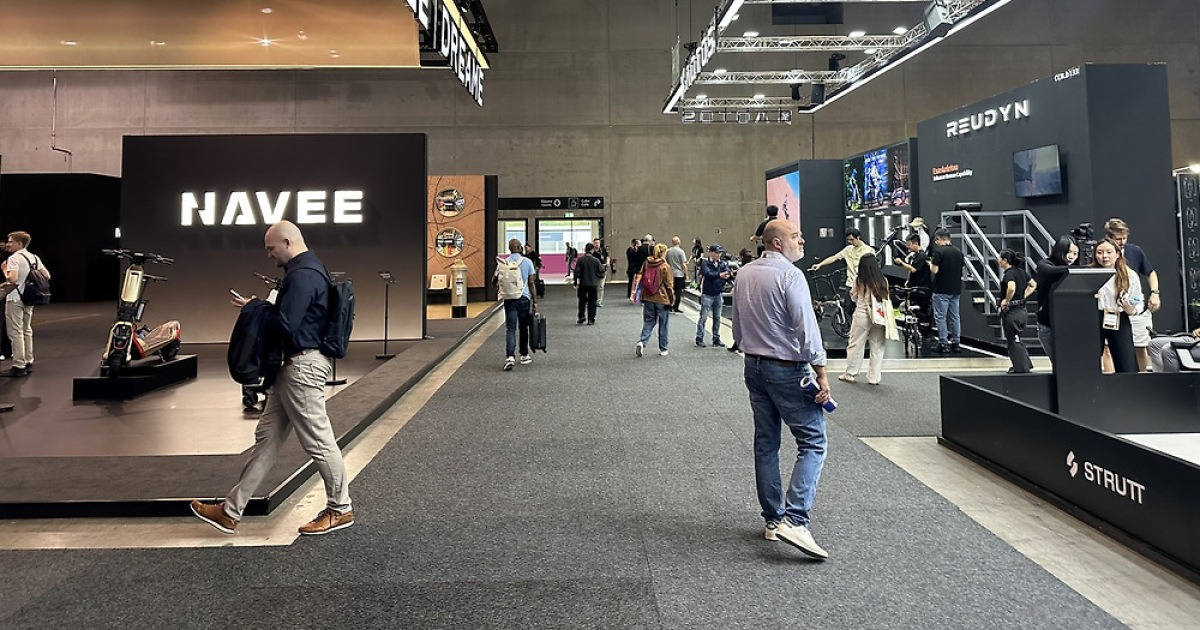
Samsung Electronics ‘Absent’ from Massive Exhibition Hall… Chinese Companies Fill the Space [IFA 2026] - v.daum.net
v.daum.net · 2026.09.05
📰 View original
Apple’s First Foldable Makes Samsung and LG Smile
네이버뉴스 · 2026.09.06
📰 View original
Comments 0
to comment Login