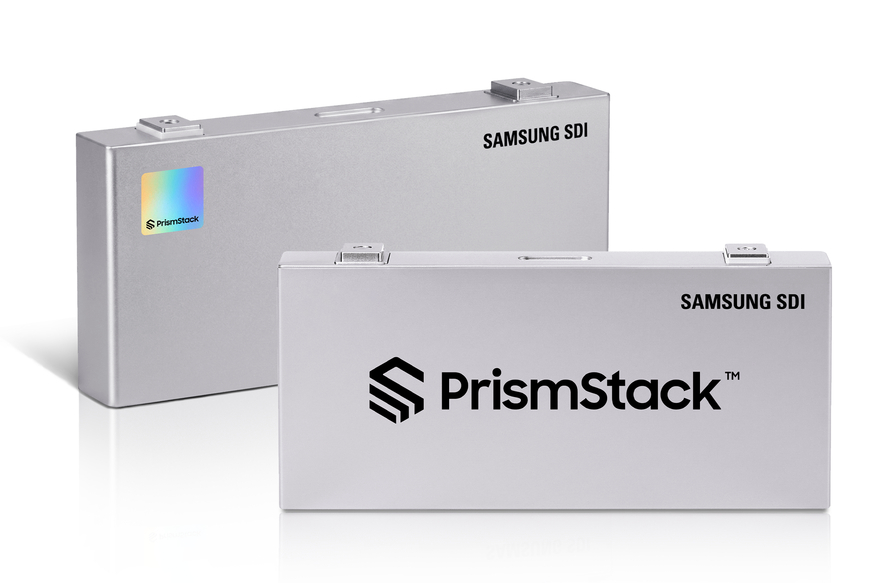

Acorn
September 7, 2026
🔗 Samsung SDI, the Intersection of U.S. Plant Normalization and ESS Profitability - 2026.09.07
Hello, it’s Dotori. The key issue for Samsung SDI right now is not the ESS expectations themselves, but whether its U.S. production base can actually transition into normal operations. Reports say several challenges remain ahead of the normalization of the Indiana plant in the U.S. [1], and this is a variable that connects production strategy with profitability.
🔗 At the U.S. Plant, Operations Come Before Expectations
TheGuru reported that several difficulties have accumulated ahead of the normalization of Samsung SDI’s Indiana plant in the U.S. [1]. Although the article did not provide specific numbers for the challenges or a timeline for resolving them, it does appear clear that the operating conditions and normalization of the U.S. production base have emerged as major variables in battery business investment and production strategy.
Let’s start with the big picture. Expanding production capacity in North America and keeping that capacity running stably are two different issues. A factory is not like a light that is finished once a single piece of equipment is switched on; it is more like a relay in which procurement, production, quality, and customer response must work together. If one stage is delayed, the speed at which expanded ESS supply translates into actual revenue and profitability could also be affected. However, there is still insufficient basis to determine the timing of normalization or its financial impact based on the article alone.
🏭 A China-Centered Market Means Reexamining the Competitive Floor
There was also a report that Chinese companies’ combined share of the electric vehicle battery market exceeded 70% from January through July this year [2]. During the same period, 7 of the top 10 companies were Chinese, and Samsung SDI did not rank among the top 10, so no battery usage data was provided for it [2].
This data can be read as an industry indicator showing that Samsung SDI’s competitive environment in electric vehicle batteries is far from easy. Of course, Samsung SDI’s entire business cannot be judged solely by electric vehicle battery usage rankings. Samsung SDI also operates businesses in ESS, small batteries, and electronic materials. Still, it explains why North American ESS production and profitability remain important questions as competitive pressure in the electric vehicle segment intensifies.
⚙️ For ESS, the Key Is Connecting Growth to Profitability
One analysis evaluated Samsung SDI’s financial capacity as a strength and identified improving ESS profitability as the key issue [3]. What matters here is that the assessment of “strength” and the task of “improving profitability” were presented together. The former is the analyst’s evaluation, while the latter is a condition that still needs to be resolved. It should not be reinterpreted as a confirmed company achievement or financial condition.
A market analysis broadcast filmed on September 5, 2026, discussed the possibility of K-battery makers shifting toward an ESS-centered strategy and the possibility that Samsung SDI could benefit from ESS demand from artificial intelligence data centers [4]. This, too, is a possibility presented by the broadcast, not a plan announced by the company. Looking one step deeper, it means that growing ESS demand and that demand remaining as profit for Samsung SDI are separate issues. The production base must operate, the supply structure must stabilize, and profitability must improve before the final runner in the relay can cross the finish line.
📚 Where Should We Look in the Value Chain?
If we separate the industry’s big picture from the value chain, the priorities can be organized as follows: first, whether the Indiana plant in the U.S. is operating normally; second, improvement in ESS profitability; and third, Samsung SDI’s market position amid competition in electric vehicle batteries. This is an interpretation connecting the issues confirmed in the materials, not a priority list presented by the company.
Dotori believes that whether the normalization of the U.S. production base and improvement in ESS profitability translate into actual figures remains a valid basis for judgment. Competition in the Chinese-centered electric vehicle market remains a structural burden, while demand from ESS and artificial intelligence data centers remains at the level of possibilities. Ultimately, there is one question left. When and how will the operational challenges at the Indiana plant be resolved, and to what extent will the results flow through to ESS profitability?
📰 Reference News (3)
'Lost in a Maze': Samsung SDI’s U.S. Indiana Plant… Challenges Pile Up Ahead of Normalization - TheGuru
더구루 · 2026.09.07
📰 View original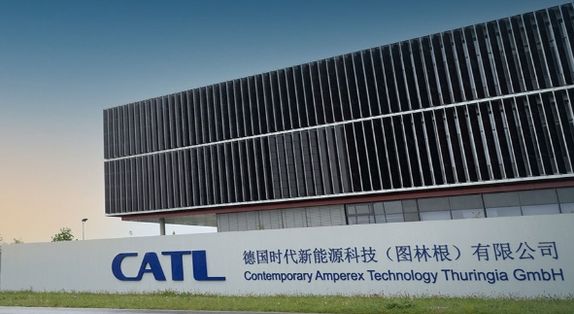
China Dominates the Electric Vehicle Battery Market... Combined Share Surpasses 70% from January to July - Saengsaeng Biz Plus
네이버뉴스 · 2026.09.07
📰 View original
"Samsung SDI’s Financial Capacity Is a Strength··· Improving ESS Profitability Is the Key" [Jjinconomy] - Nate
네이트 · 2026.09.07
📰 View original
Comments 0
to comment Login