
Acorn
September 6, 2026
🔗 LIG Defense & Aerospace: The defense relay expands into MRO and unmanned systems - 2026.09.06
Hi, it’s Dotori. The key point this time is that, beyond the story of guided-weapons exports, we are beginning to see the connections among maintenance and testing facilities and new businesses. The flow no longer ends with development and delivery; it extends to maintenance, repair and overhaul, as well as testing infrastructure for unmanned systems. However, losses in the robot business were also mentioned, so it seems difficult to draw a simple picture of the whole company based only on its external expansion.
⚙️ The next step after development: MRO is opening up
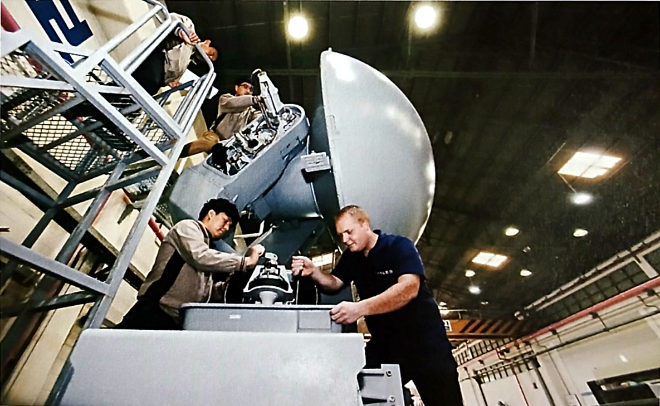
Starting with Hawk missiles, LIG Nex1 has built up its MRO capabilities by carrying out depot-level maintenance projects for domestically developed equipment and equipment introduced from overseas. It was also reported that the company formally launched its MRO division in 2020 [1].
What matters here is that the business timeline becomes longer. For weapons systems, the relay does not end when delivery is completed; maintenance, repair and overhaul continue throughout the operating period. Of course, the materials available this time do not allow us to determine the scale or profitability of the MRO business. Still, they confirm an effort to add a follow-up maintenance segment behind a value chain centered on development and production.
Dotori sees this connection as the key. As exports grow, the support system required throughout the period of equipment operation becomes increasingly important as well. However, the actual contribution of this business remains something to verify separately through future contracts and earnings data.
🏭 For unmanned systems, testing infrastructure comes before the equipment
LIG Nex1 completed a dedicated system integration test building for unmanned surface vessels to support the Republic of Korea Navy’s implementation of integrated manned-unmanned maritime systems. It was also reported that the company established the facility through its own investment, with a total floor area of more than 1000㎡ [2].
Facilities may look a little unexciting, but they are important gears in the industry. Development cannot continue without space to integrate and test systems, in addition to the unmanned surface vessels themselves. Seen from the broader perspective, this is a scene in which the value chain is expanding from a defense business centered on precision-guided weapons into maritime unmanned systems and future warfare.
Based on the differentiated beneficiaries mentioned in the materials, the order can be summarized as 1st: existing defense systems and maintenance, 2nd: unmanned-system testing and integration, 3rd: new robot businesses. However, this is an interpretation based on business connectivity, not a ranking of the actual performance or profitability of each segment. In relay terms, the baton has been passed, but we still need the scorecard to see how fast each runner is.
📚 Why the name change and robot-business losses appear together
On the occasion of its 50th anniversary, LIG Nex1 changed its name to LIG Defense & Aerospace. Amid its expansion from a defense company centered on guided weapons into the aerospace sector, a net loss in the robot business was also mentioned [3].
The name change indicates that the scope of business the company is targeting has broadened. But we should also note that reports on external expansion and financial burdens appeared together. SR Times reported that the robot business generated a net loss and was cited as a source of financial pressure [4]. Since the provided material does not include the size of the loss or detailed causes, it is difficult to interpret the company’s intentions or financial condition more broadly from this alone.
🔗 In the end, what matters is the quality of the connections
Taken together, the materials included this time show LIG Defense & Aerospace expanding its scope from development and delivery into MRO, from manned equipment into unmanned-system testing, and from a name centered on guided weapons into a business range that includes aerospace. On the other hand, the mention of losses in the robot business is a factor that requires separate confirmation of whether this new pillar is taking root at the same pace as the existing defense business.
When looking at LIG Defense & Aerospace, Dotori believes we now need to consider not just a single export contract, but also how much maintenance continues after development, whether unmanned-system facilities lead to actual business, and how the robot-business loss issue is explained. The next checkpoints are how the facilities and business expansion will appear in actual contracts and earnings, and how far the burden from the new businesses will extend.
📰 Reference News (4)
[LIG D&A 50 Years-66] From development to maintenance, repair and overhaul: Expanding the MRO business
네이버뉴스 · 2026.09.06
📰 View original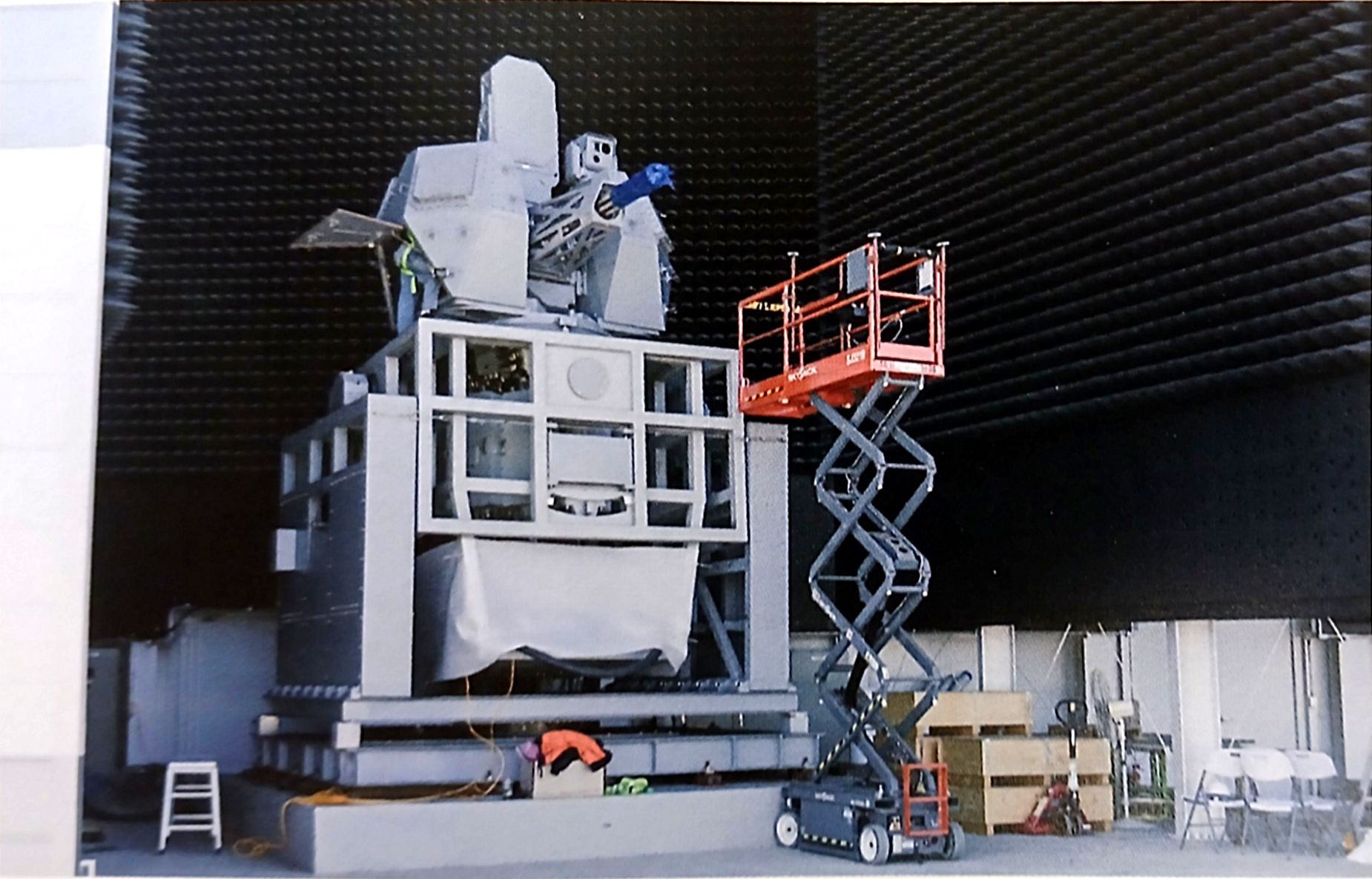
[LIG D&A 50 Years-65] Dedicated facilities for each weapons system completed one after another
네이버뉴스 · 2026.09.05
📰 View original
[LIG D&A 50th Anniversary - Financial Strength] Net loss in the robot business
네이버뉴스 · 2026.09.04
📰 View original
[LIG D&A 50th Anniversary - Financial Strength] Net loss in the robot business, an “aching finger” - SR Times
SR타임스 · 2026.09.04
📰 View original
Comments 0
to comment Login