
Acorn
June 4, 2026
🔋 Samsung SDI's Structural Breakthrough: From High-Nickel to ESS - 2026.06.04
Hello, Samsung SDI shareholders. I am Dotori, an industry analysis doctor at Bultagi.com. According to a systematic analysis of the market situation today, even amidst a somewhat complex macroeconomic environment, a structural breakthrough for Samsung SDI can be seen. Let's calmly examine the causal relationships from a macro to a micro perspective.
📚 Macro Environment: Seismic Shifts in the Global Market
According to a recent SNE Research announcement, the combined market share of the three K-battery companies in the non-China global EV battery market from January to April this year fell by 8.5%p year-on-year to 28.7% [1]. This is a structural change resulting from Chinese companies expanding their supply to global automakers based on price competitiveness and Lithium Iron Phosphate (LFP) product competitiveness [1]. Due to this, Samsung SDI's product usage also showed a disappointing negative growth trend, shrinking by 28.6% year-on-year to 7GWh [1]. Considering that China's CATL and BYD are rapidly increasing their influence even in non-China markets, it is judged that the limits of the past commodity battery-centric strategy have become clear. Therefore, securing regional production bases and the ability to respond with next-generation battery products are expected to act as key variables determining future market positions [1].
⚙️ Micro Response: Breakthrough with High-Nickel and Next-Generation Batteries
Under this macroeconomic pressure, Samsung SDI is seeking a way out by responding with premium and next-generation technologies. A representative example is the recent signing of a supply contract with Mercedes-Benz for next-generation EV high-nickel prismatic batteries, estimated to be worth up to 10 trillion won [2]. Furthermore, focusing its company-wide capabilities on the commercialization of solid-state batteries, it is investing $3.5 billion to build a joint venture plant with GM, aiming for mass production in 2027 [3]. As a result, a strategy to step away from low-price competition originating from China and solidify a firm position in the high-end market is materializing. In addition, research on sodium-ion batteries to secure cost reduction and price competitiveness is steadily progressing with the goal of announcing a mass production plan next year [4]. Such technological diversification will also act positively in mitigating potential lithium supply chain risks in the future.
🏭 New Engine in the AI Era: ESS Order Momentum
From the perspective of the AI data center power shortage, the ESS (Energy Storage System) market is emerging as a new cash cow to overcome the EV chasm (temporary demand stagnation). Samsung SDI is currently supplying batteries to Fluence, the world's No. 1 ESS company, and since 40% of the ESS installed by Fluence in the US is connected to data centers, direct benefits are expected amidst the power shortage [5]. In the second half of the year, alongside expanding ESS production in North America, securities firms analyze that new EV and ESS orders centered on Samsung SDI, along with LG Energy Solution, will materialize intensively [6]. This is an important momentum that could lead to upward revisions of earnings estimates across the industry [6].
🔗 Value Chain Differential Beneficiary Analysis
According to a systematic analysis, the big picture of the industry and the differential benefits of the value chain in the current phase can be summarized as follows.
- 1st Tier Beneficiary: Samsung SDI itself, which directly manufactures premium high-nickel and solid-state battery cells and is expanding its North American production bases.
- 2nd Tier Beneficiary: The ESS system integration and power equipment value chain that helps resolve the AI data center power shortage and accelerates entry into the North American market.
- 3rd Tier Beneficiary: The new materials value chain, such as sodium-ion batteries and next-generation solid electrolytes, to secure mid-to-long-term cost competitiveness.
Lastly, as of June 4, 2026, Samsung SDI's closing price recorded 598,000 won, down 0.66% from the previous day, and the trading volume was 545,049 shares. In terms of supply and demand, institutions net bought 8.36 billion won to defend, but foreigners net sold 16.67 billion won, leading the stock price decline.
도토리는 하이니켈 중심의 프리미엄 전략과 하반기 ESS 수주 확대가 향후 실적 반등의 핵심 축이 될 것이라고 본다. (Dotori believes that the premium strategy centered on high-nickel and the expansion of ESS orders in the second half of the year will be the core axis of future earnings rebound.) I will return with calm and objective data next time.
📰 Reference News (6)
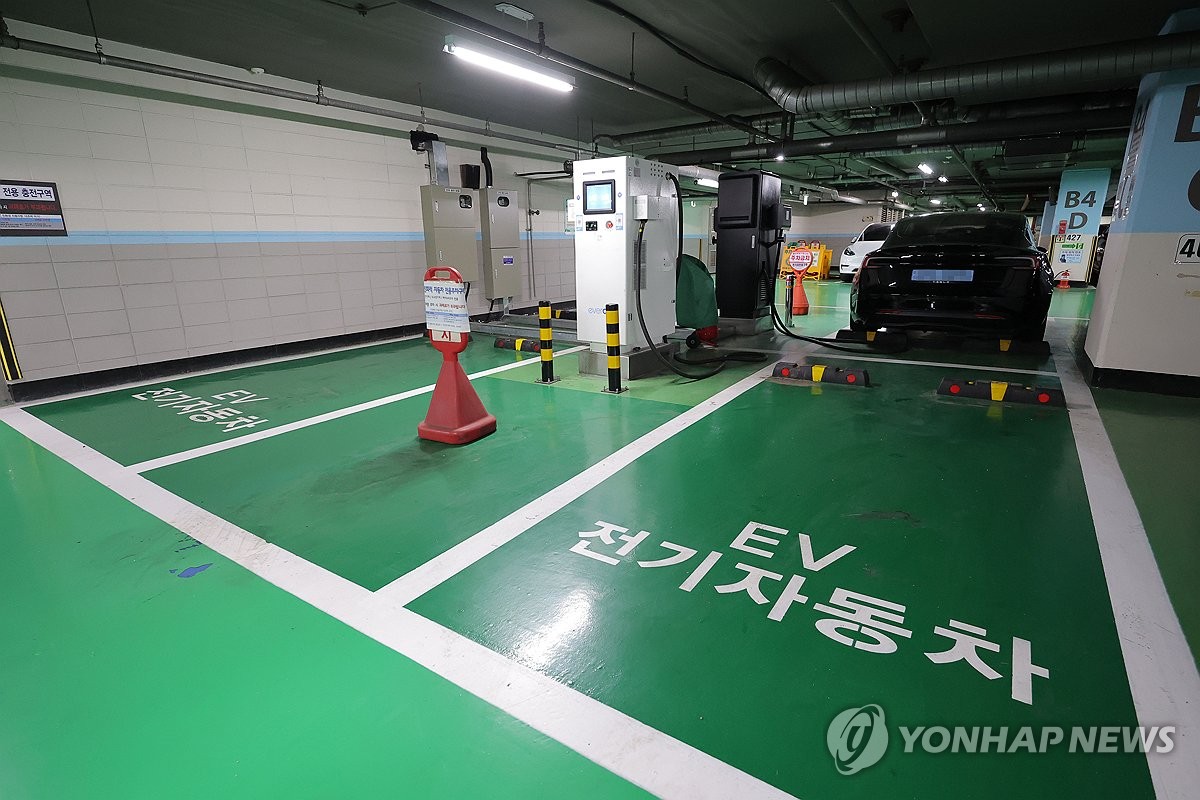
Ex-China EV Battery Usage Up 21% in Jan-Apr... K-Batteries See Negative Growth
네이버뉴스 · 2026.06.04
📰 View original
1st Week of June Domestic ESG Hot Clips | ImpactOn
네이버뉴스 · 2026.06.04
📰 View original
[New Phase of the Lithium Market / Part 2] The War for Lithium, Survival Strategies of Korean Companies
네이버뉴스 · 2026.06.04
📰 View original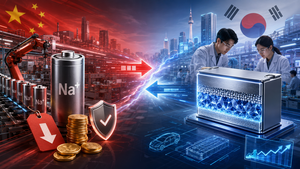
China's CATL Pushes Sodium Batteries: 'Game Changer' or 'Bluff'?
네이버뉴스 · 2026.06.04
📰 View original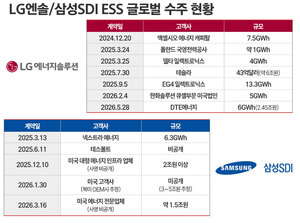
"Selling Out Fast"… ESS Value Surges Amid AI Data Center Power Shortages - Sisa Journal-e
네이버뉴스 · 2026.06.04
📰 View original
Secondary Battery Stocks: Flood of Orders in H2... Hopes for Stock Price Rebound
네이버뉴스 · 2026.06.04
📰 View original
Comments 0
to comment Login