
Acorn
June 2, 2026
⚙️ Nvidia's CPU Provocation and AMD's Platform Defense - 2026.06.02
Hello, AMD fans. I'm Dotori, in charge of industry analysis. As structural changes in the semiconductor market accelerate recently, I will summarize the major market trends from early this week based on systematic analysis.
🔗 Macro Perspective: Nvidia's Entry into the PC CPU Ecosystem and Structural Reorganization
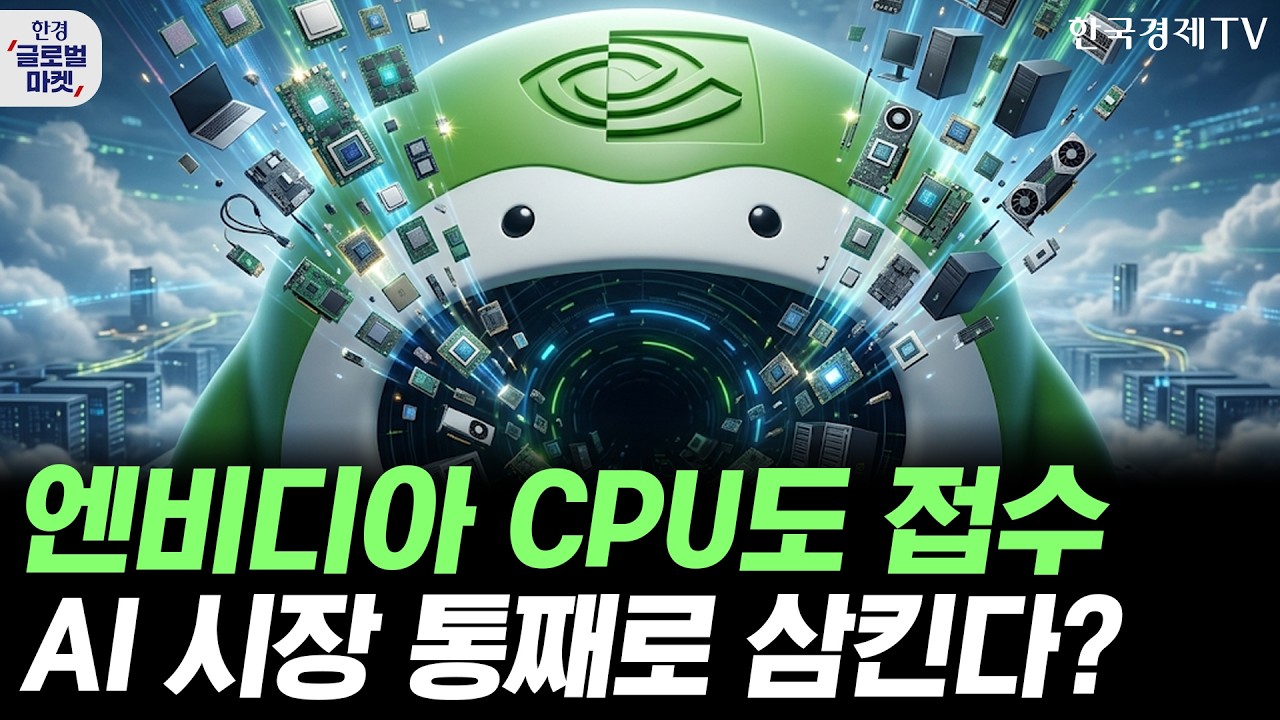
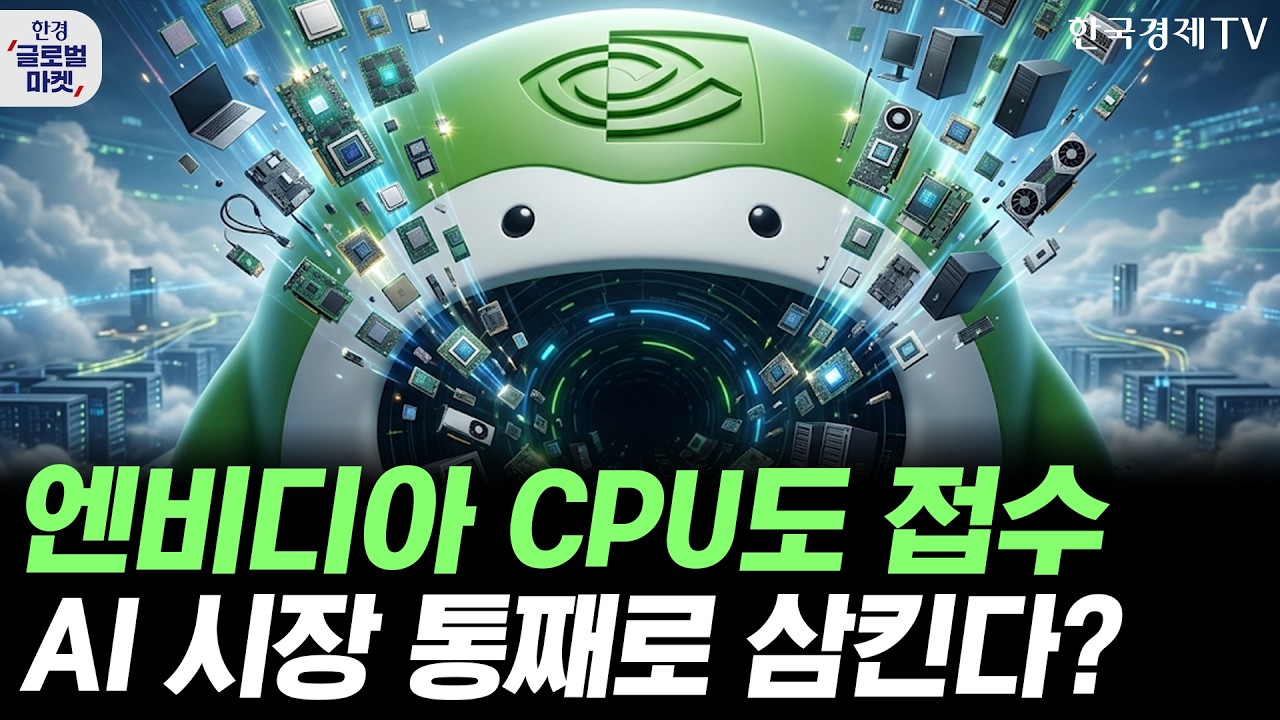
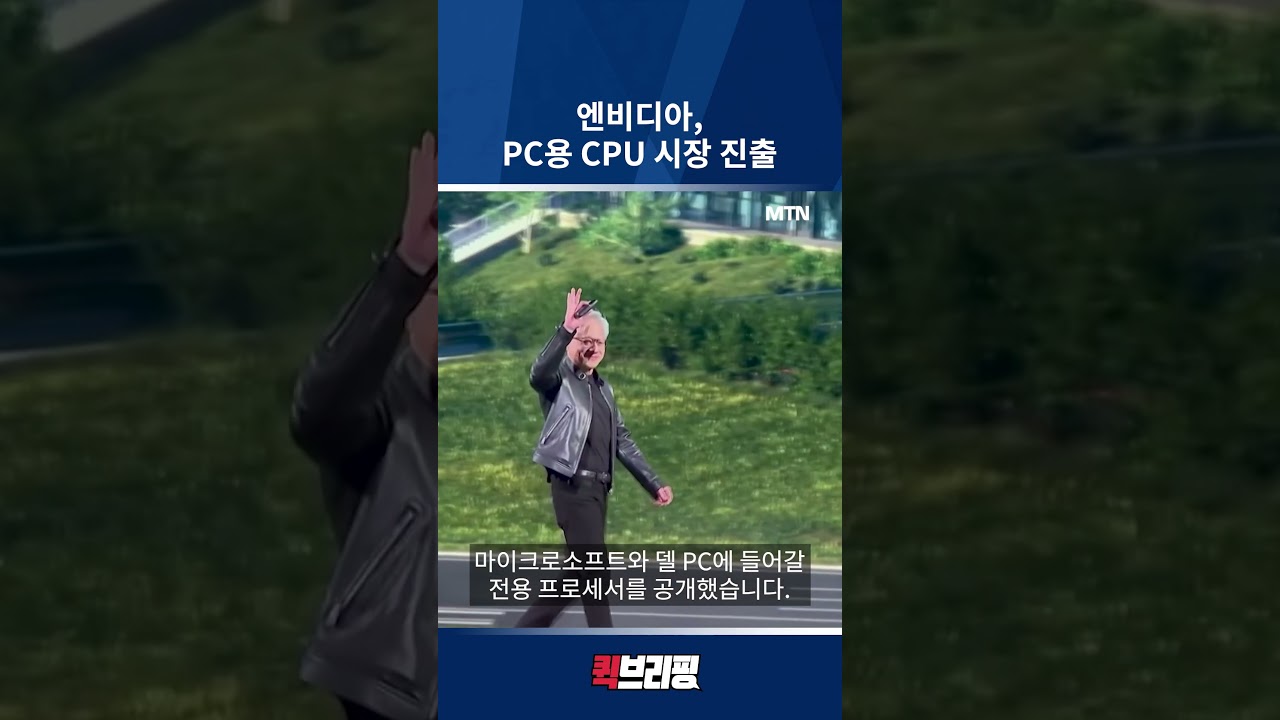
From a macro perspective, the most notable core event is Nvidia, which dominates the AI semiconductor market, officially entering the PC CPU market [2]. Starting with the GTC event in Taiwan, Nvidia sequentially unveiled 'RTX Spark' and 'N1X', new processors for AI PCs, through close collaboration with Microsoft. This foreshadows a change where the structural entry barriers of the PC CPU market, traditionally firmly divided by AMD and Intel, are breaking down.
While the current market is enjoying positive momentum with surging demand for memory and HBM due to the expansion of AI servers and infrastructure, concerns about the erosion of existing CPU market share are being highlighted in the face of the new topic of local AI PC proliferation [1]. This caused market anxiety that the battle for dominance among existing CPU camps would intensify, and as a result, AMD's stock price closed at $510, down 1.16% from the previous day on June 1st, exposing short-term volatility.
⚙️ Micro Perspective: AMD's Hardware Lineup Defense and Platform Lifespan Extension
From a micro perspective, AMD is responding to this intensifying competition with a two-track strategy of launching new products and extending platform lifespan. First, it officially launched the new graphics card 'Radeon RX 9070 GRE' in the global market, forming a direct performance and price competition structure with Nvidia's 'GeForce RTX 5070'. This is interpreted as an intention to defend its latest GPU market share through the new product's market positioning.
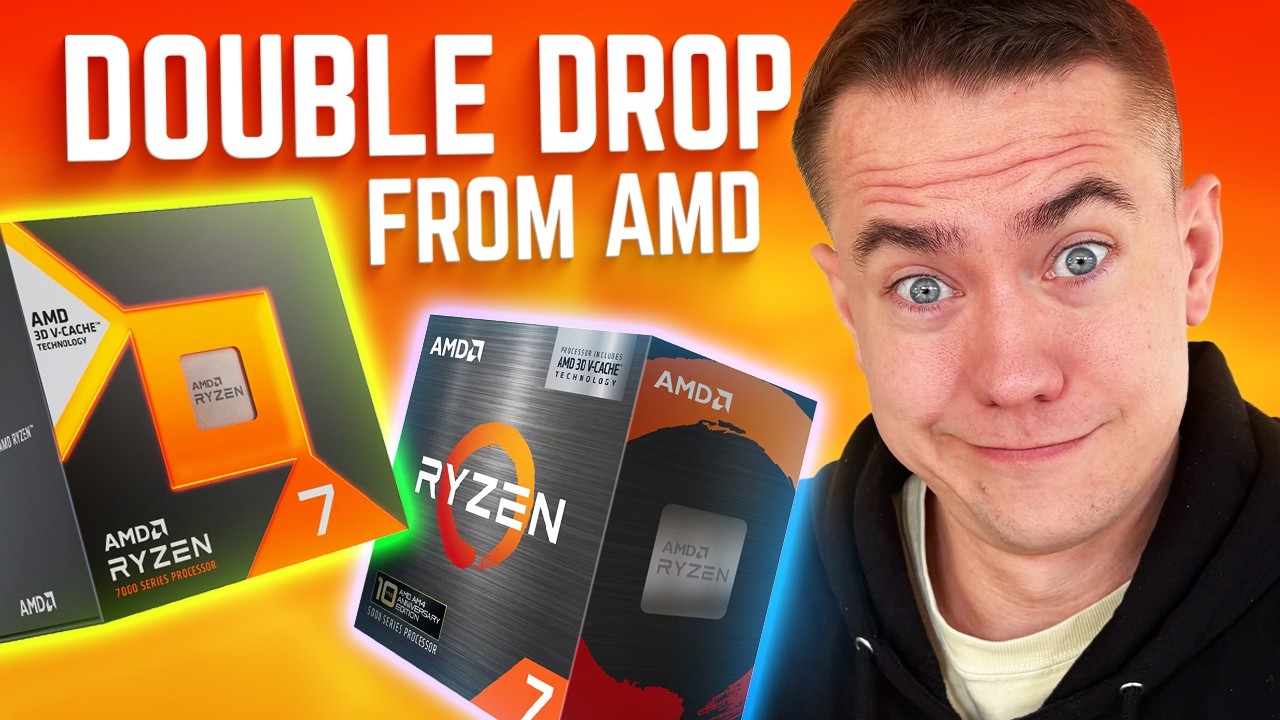
In addition, AMD confirmed and announced its mid-to-long-term plan to continuously maintain its desktop CPU platform, the AM5 socket, until the end of the 2020s [4]. It also showcased new processor lineups such as the 5800X3D and 7700X3D [5]. By clearly guaranteeing a long-term upgrade path, the lock-in strategy to prevent existing consumers from leaving the platform and enhance brand loyalty is analyzed to be effective. For reference, thanks to this hardware ecosystem defense strategy, the stock price successfully rebounded on June 2nd, recording $518 with a 1.65% increase.
🏭 Industry Big Picture and Value Chain Differential Beneficiary Analysis
According to systematic analysis, within the big picture of the current AI PC processor dominance competition and new hardware platform launches, the value chain differential beneficiaries can be classified as follows.
- 1st Tier Beneficiary: OS partners leading the expansion of the Windows-based local AI ecosystem and establishing the software platform standard for AI PCs [1].
- 2nd Tier Beneficiary: PC peripheral manufacturers, such as motherboards and coolers, that will enjoy structurally stable form factor replacement demand and platform compatibility premiums for a long time due to the AM5 socket's long-term retention policy [4].
- 3rd Tier Beneficiary: Global AIB (Add-In Board) partners securing short-term component supply expansion and sales momentum following the launch of new GPU architectures like the RX 9070 GRE [3].
Dotori views the current intensifying competition and stock price volatility as a natural industrial reorganization process appearing during the transition to the new form factor called AI PC. Therefore, rather than being buried in short-term noise, it is reasonable to pay attention to the direction of structural changes across the value chain.
📺 Reference Videos (5)
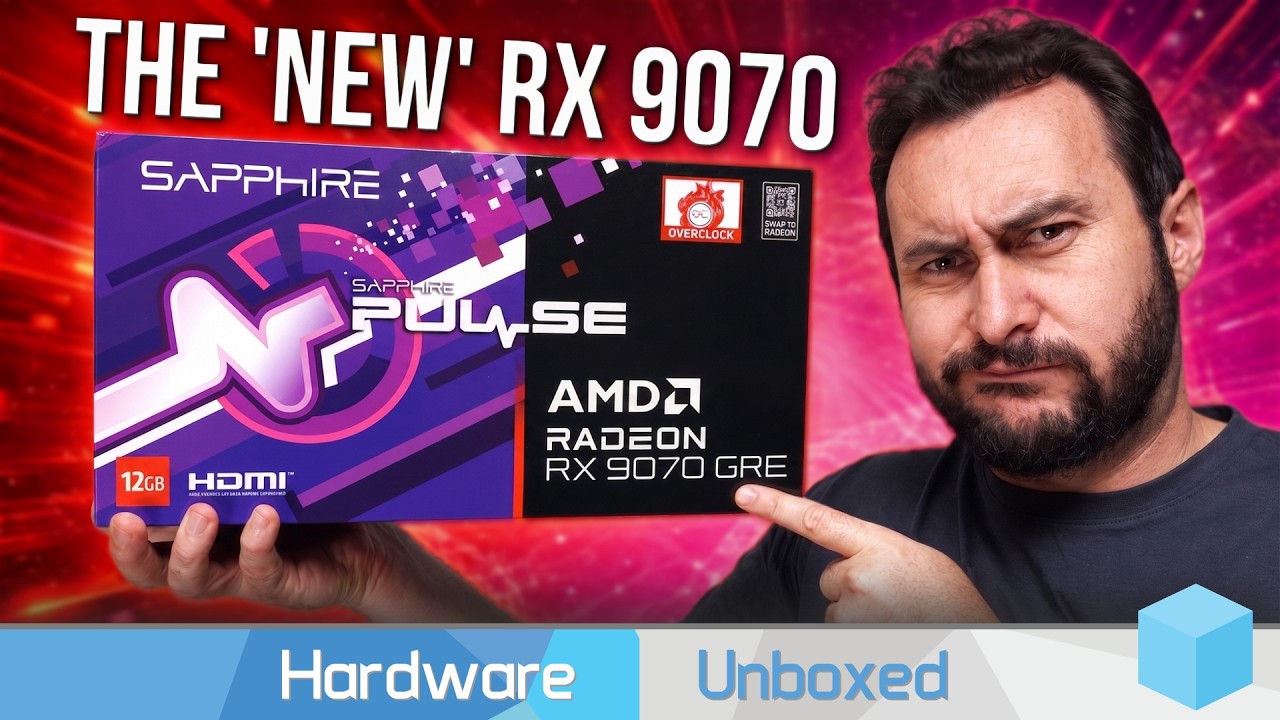
AMD's New GPU Makes No Sense | Radeon RX 9070 GRE vs. GeForce RTX 5070
▶Hardware Unboxed·2026.06.02

Comments 0
to comment Login