
Goguma
September 8, 2026
🍠 Hyundai Motor, at a crossroads over battery, autonomous driving, and profitability solutions - 2026.09.08
Hi, it’s Goguma. The key point today is that Hyundai Motor’s battery, pricing, and safety strategies against Chinese EVs, along with its development of autonomous internal-combustion vehicles, have all come into focus at once. Rather than pursuing a one-dimensional EV-only path, the company is reshaping the competitive landscape by broadening its options to hybrids and gasoline vehicles as well. On top of that, treasury-share cancellation and profitability targets have entered the picture. It’s a day to examine both the technological competition represented by a single vehicle and the company-wide structure for generating profits.
China EV response: from batteries to pricing and safety ⚖️
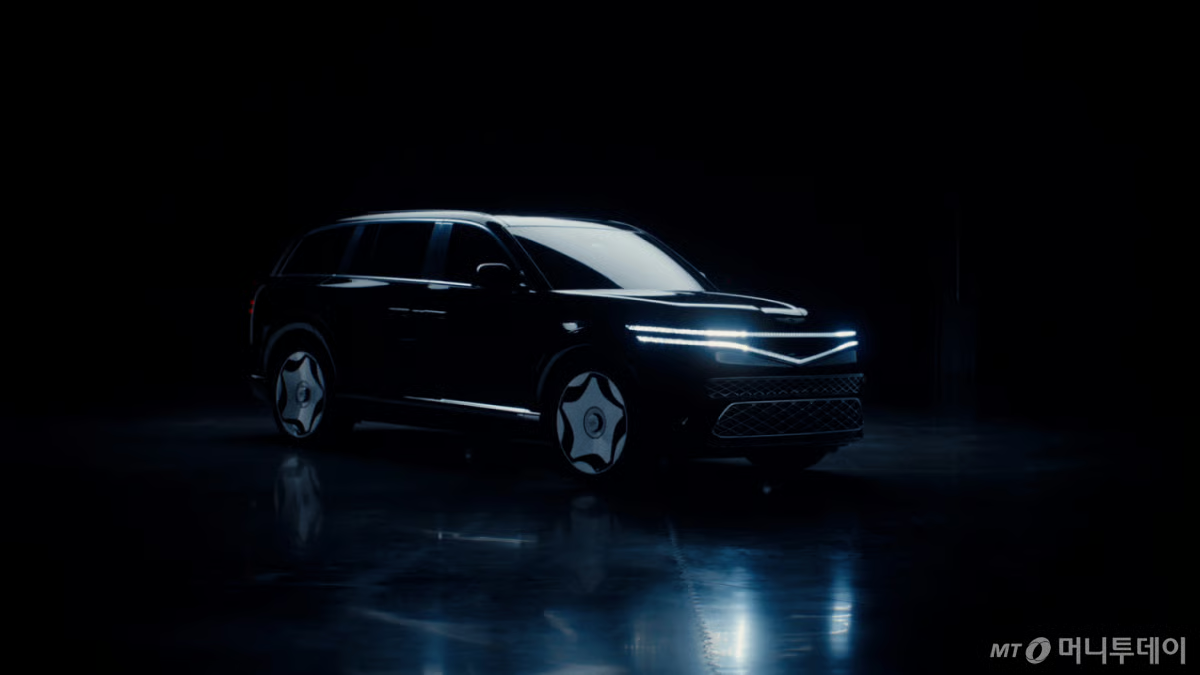
Hyundai Motor was reported to be viewing batteries as a key weapon in competing with Chinese EVs and pursuing differentiation in pricing and safety [1]. This is not simply about competing on battery performance; it can be read as a plan to respond by combining the purchase burden and safety confidence that consumers actually compare.
Onions sees this as a battle over the persuasiveness of the entire product, not just a single technology. Dotori analyzes that balancing battery costs and safety will be important for price differentiation to translate into real vehicle competitiveness. However, the article does not confirm a specific implementation timeline or figures. There is always a long tunnel called manufacturing between a brilliant blueprint and a completed car.
Autonomous driving will not ride only on EVs 🤝
It was also reported that Hyundai Motor Group is developing vehicles applying Level 2+ or higher autonomous-driving systems to gasoline and hybrid cars [2]. The strategy is presented as vehicle development that broadens consumer choice, based on the view that demand for internal-combustion vehicles may remain even in the autonomous-driving era [2].
This choice may be interpreted as meaning that the market will not be judged solely by the pace of electrification. Peanut points out that putting the same autonomous-driving functions on multiple powertrains could broaden the company’s scope of response to the market. Carrot, meanwhile, believes the gap between the stage at which a development target is introduced and actual mass production and sales must be considered separately. The views of Onions and Peanut do not directly conflict; one looks at expanding options, while the other focuses on the timing of execution. It also remains the case that the company has not presented a confirmed launch schedule.
Shareholder returns and profitability: two separate ledgers 🍠
Hyundai Motor canceled 2,505,606 treasury shares in total across common and preferred shares, and the market value was calculated at 789,100,000,000 KRW. Chairman Chung Euisun’s stake increased, but voting rights did not change, and the company has canceled treasury shares for three consecutive years since 2024 [3]. This confirms a shareholder-return trend, but changes in ownership and voting rights must be viewed separately.
Meanwhile, in the auto industry’s profitability competition, Volkswagen Group is pursuing reductions in personnel and facilities to achieve its 9% operating-margin target by 2030, while Hyundai Motor, which has set the same target, was introduced as choosing a different solution [4]. What matters here is not the number itself but the fact that they are using different cost structures and business-operation methods to pursue the same goal. Here is how Goguma summarizes the four opinions. Onions looks at product competitiveness, Dotori at the cost structure, Peanut at the scope of autonomous-driving applications, and Carrot at the actual pace of execution. If you force all four perspectives into one pot, the flavor becomes bland. Unresolvable differences are best left as they are.
Goguma’s final summary 🎯
Three directions for Hyundai Motor can be identified from these materials. The company is emphasizing battery, pricing, and safety differentiation against Chinese EVs, while developing autonomous-driving functions not only for EVs but also for gasoline and hybrid cars [1] [2]. At the same time, the shareholder-return trend continued through treasury-share cancellation [3], and the industry’s competition over solutions for meeting profitability targets also came into focus [4].
My view is this. Hyundai Motor’s strength may lie in a strategy that does not narrow its options, while its burden is the need to connect each option to actual products and profitability. Whether battery differentiation will lead to pricing competitiveness, when and in what form autonomous internal-combustion vehicles will enter the market, and what cost structure will support the profitability targets are still unresolved questions.
📰 Reference News (3)
"The weapon that will ultimately surpass Chinese EVs is the battery"... Hyundai Motor differentiates on pricing and safety - MoneyToday - MoneyToday
머니투데이 · 2026.09.08
📰 View original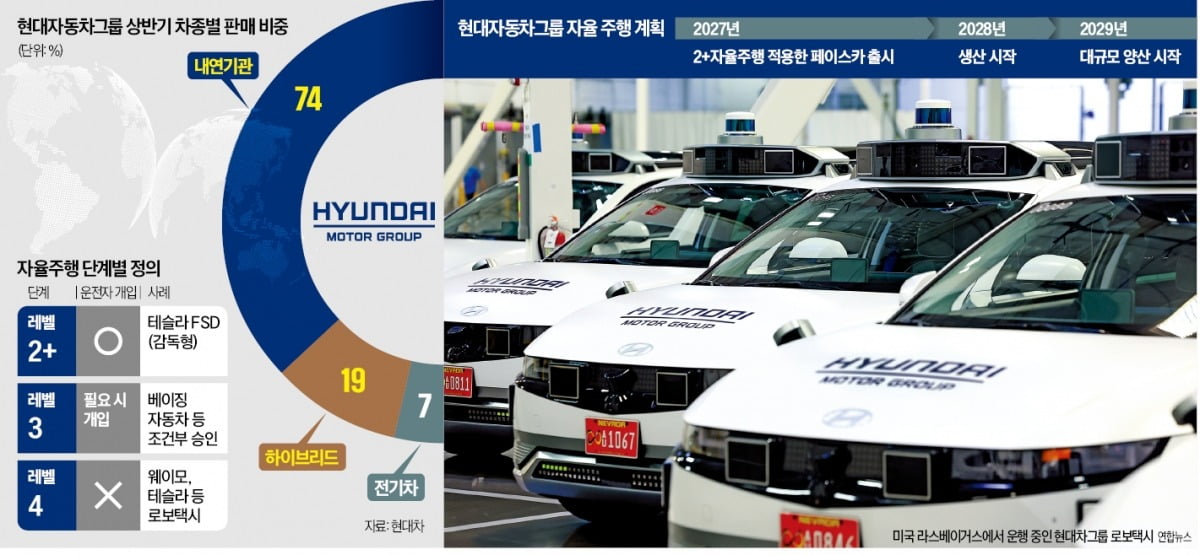
[Exclusive] Hyundai Motor Group develops autonomous internal-combustion vehicles... building a fortress China cannot cross - Korea Economic Daily
한국경제 · 2026.09.08
📰 View original
Hyundai Motor cancels 789,100,000,000 KRW worth of treasury shares... Chung Euisun’s stake rises, but voting rights remain unchanged - PPSS
네이버뉴스 · 2026.09.07
📰 View original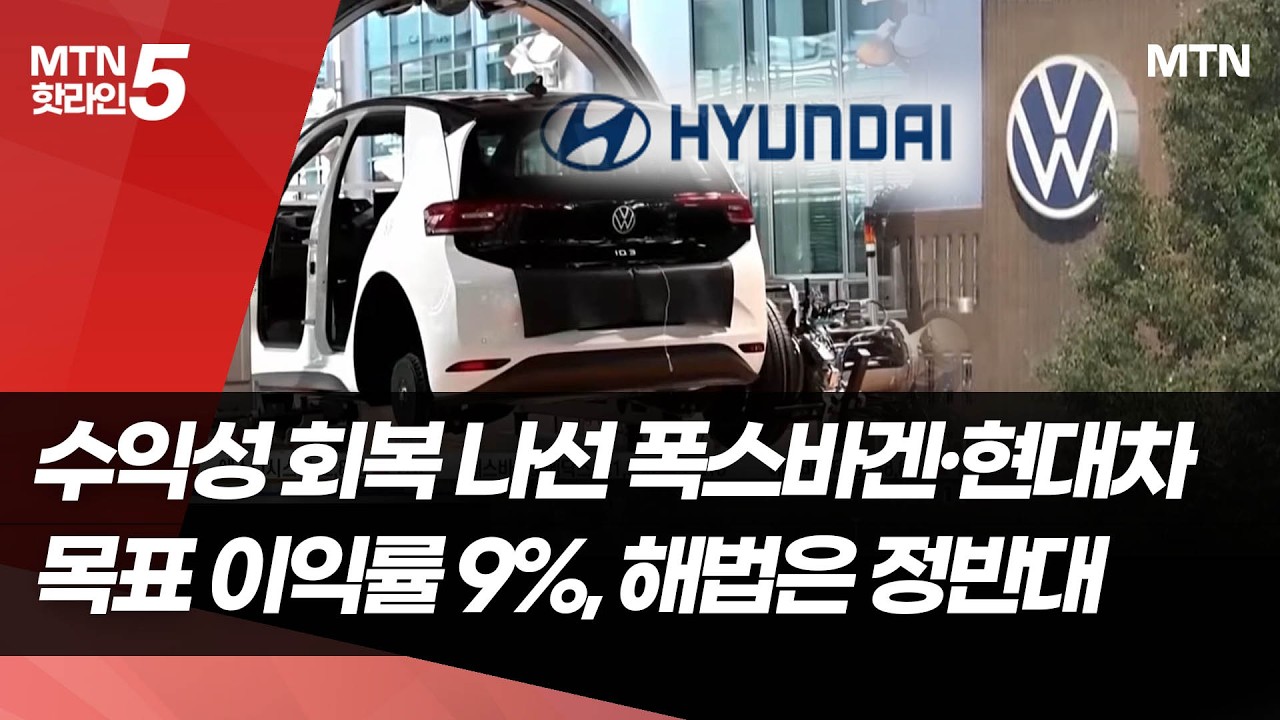
Comments 0
to comment Login