

Goguma
August 4, 2026
📊 Samsung Electronics: AI Memory Hopes Meet Market Validation - 2026.08.04
Hi, it’s Goguma. Today, Samsung Electronics’ key issue is whether expectations for AI memory technology will translate into real competitiveness, and how much the market will accept those expectations. As competition over post-HBM roadmaps draws attention in the U.S., the stock closed at ₩239,500 on August 4, with a 0.00% change. The numbers paused for a moment, but the various catalysts are still pulling in different directions. ⚖️
Post-HBM Emerges as the Next Battleground 🍠
Reports say Samsung Electronics and SK hynix are expected to compete in the U.S. over post-HBM roadmaps [1]. The important point here is not that either company has confirmed a result, but that the competitive landscape for memory beyond HBM itself has become a focus of market attention. The view is shifting from looking only at HBM toward considering next-generation memory roadmaps and technology directions together.
MoneyToday reported that Samsung Electronics is showing moves to address bottlenecks in the artificial intelligence semiconductor sector through 3D memory technology [2]. The article does not yet present specific achievements or a confirmed timeline from the company. So this catalyst seems less like a finished answer and more like a clue to what cards Samsung Electronics is playing in the memory technology race.
Memory Is No Longer Just a Cost-Sheet Issue 🤝
The head of the research center at Eugene Investment & Securities analyzed memory in the artificial intelligence era as a performance variable rather than a cost [4]. We should first separate this as the view of a securities firm’s research-center head, not a company announcement. Still, with this analysis arriving as post-HBM and 3D memory discussions emerge, the issue has become clearer: should memory be viewed simply as a component that can be sold in large volumes, or as a factor determining artificial intelligence system performance?
Onion will look first at the competitive landscape, while Acorn will examine whether the technology connects to actual products and supply. Peanut will focus on whether demand continues, and Carrot will assess how much of those expectations is already reflected in market prices. There are still boxes left to check before the four views can converge on one conclusion. Here’s Goguma’s summary of the four opinions: Technology expectations have grown, but they remain some distance from confirmed earnings or supply results.
Galaxy Z8 Sets a New Demand Record 📱
The Galaxy Z8 series recorded 1.44 million units in domestic preorders, setting a new all-time high [3]. Preorders began on July 28, confirming strong early demand for the new product in Korea. If memory and artificial intelligence semiconductors represent the component and technology side, Galaxy Z8 provides a figure from another axis: finished-product demand.
Still, it is difficult to conclude overall business performance from a single preorder record. How preorders translate into actual shipments and profitability is a separate issue. Even so, the addition of a new record amid recent foldable-phone demand trends shows that Samsung Electronics’ mobile business cannot be explained solely through memory variables. A fairly large puzzle piece has arrived.
The Market Calculates Expectations and Capital Separately 🎯
There was also a report that Samsung Electronics’ global market-cap ranking fell three places to 13th, while semiconductor stocks overall were hit as doubts grew about the sustainability of artificial intelligence investment [5]. The article also described Samsung Electronics’ decline from its peak, but I won’t expand on individual figures here. The key point is that the market’s assessment of artificial intelligence investment is not moving in only one direction.
On August 4, actual trading volume was 27,320,071, while net foreign buying stood at +2,032.0 hundred million KRW and net institutional buying at -9,268.9 hundred million KRW. The closing price was unchanged from the previous day, but the moves of the different investor groups diverged. This is where Onion and Peanut’s perspectives collide head-on. Technology expectations and product demand remain alive, but capital flows did not follow those expectations exactly.
Goguma’s Final Summary ⚖️
Bullish and bearish scenarios coexist around Samsung Electronics. On the bullish side are post-HBM competition, 3D memory technology, the importance of memory in the artificial intelligence era, and Galaxy Z8’s preorder record. On the other side are doubts about the sustainability of artificial intelligence investment and capital outflows seen in semiconductor stocks.
Here’s what I think. This is less a period of insufficient catalysts than a period in which the catalysts differ in quality. Securities-firm analysis is an opinion, roadmap competition is a forecast, and preorders are an early demand indicator. Whether these three point in the same direction through actual earnings and supply results—or whether market doubts remain—will be the question in the next scene.
📰 Reference News (5)
Samsung Electronics and SK hynix Draw Attention with ‘Post-HBM’ Roadmap Showdown in the U.S. This Week - v.daum.net
v.daum.net · 2026.08.04
📰 View original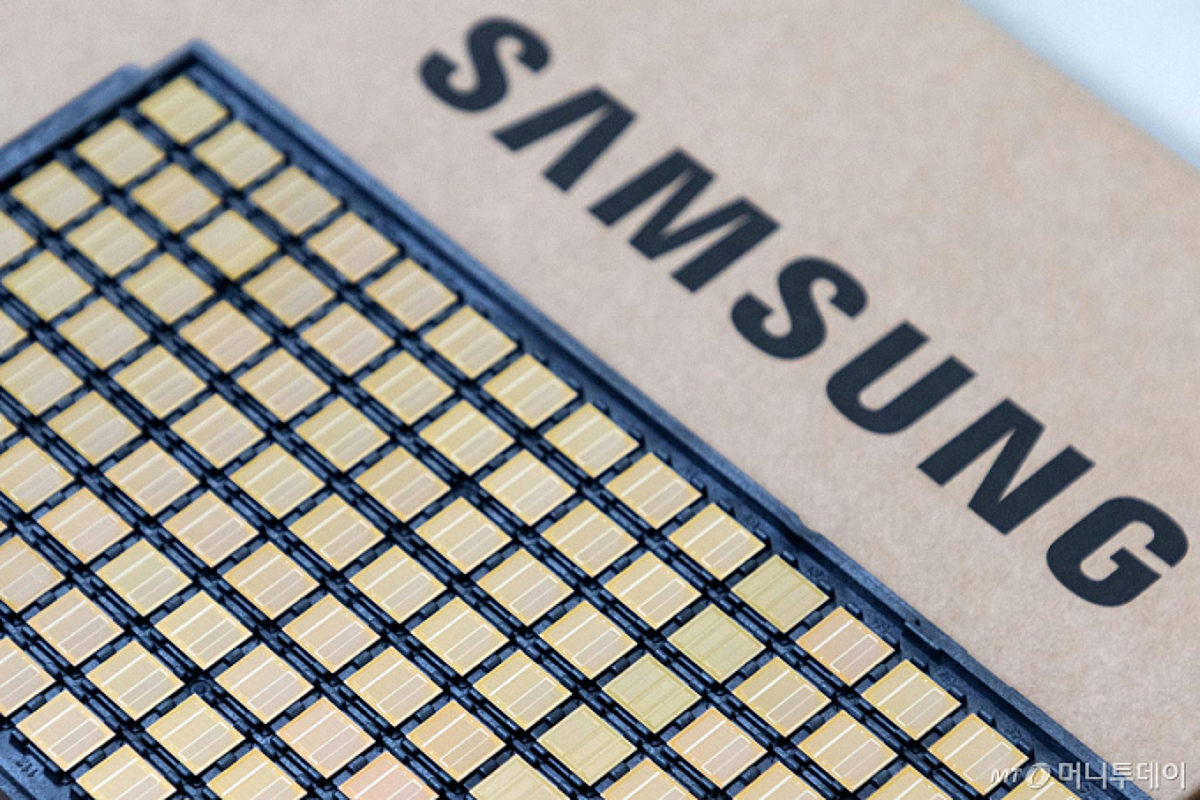
Through 3D Memory… Samsung Electronics Breaks Through the AI Bottleneck - MoneyToday - MoneyToday
머니투데이 · 2026.08.03
📰 View original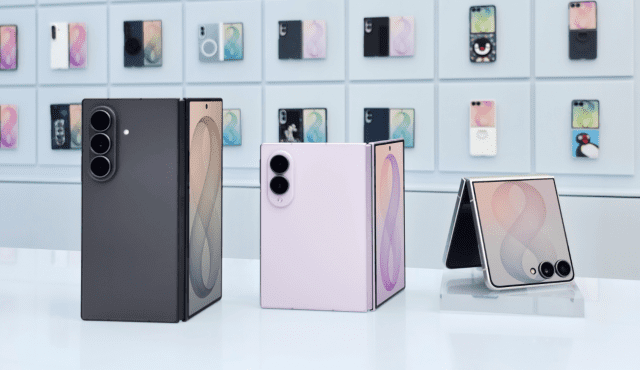
Samsung Galaxy Z8 Series Sets All-Time Domestic Preorder Record at 1.44 Million Units - ZDNet Korea
지디넷코리아 · 2026.08.04
📰 View original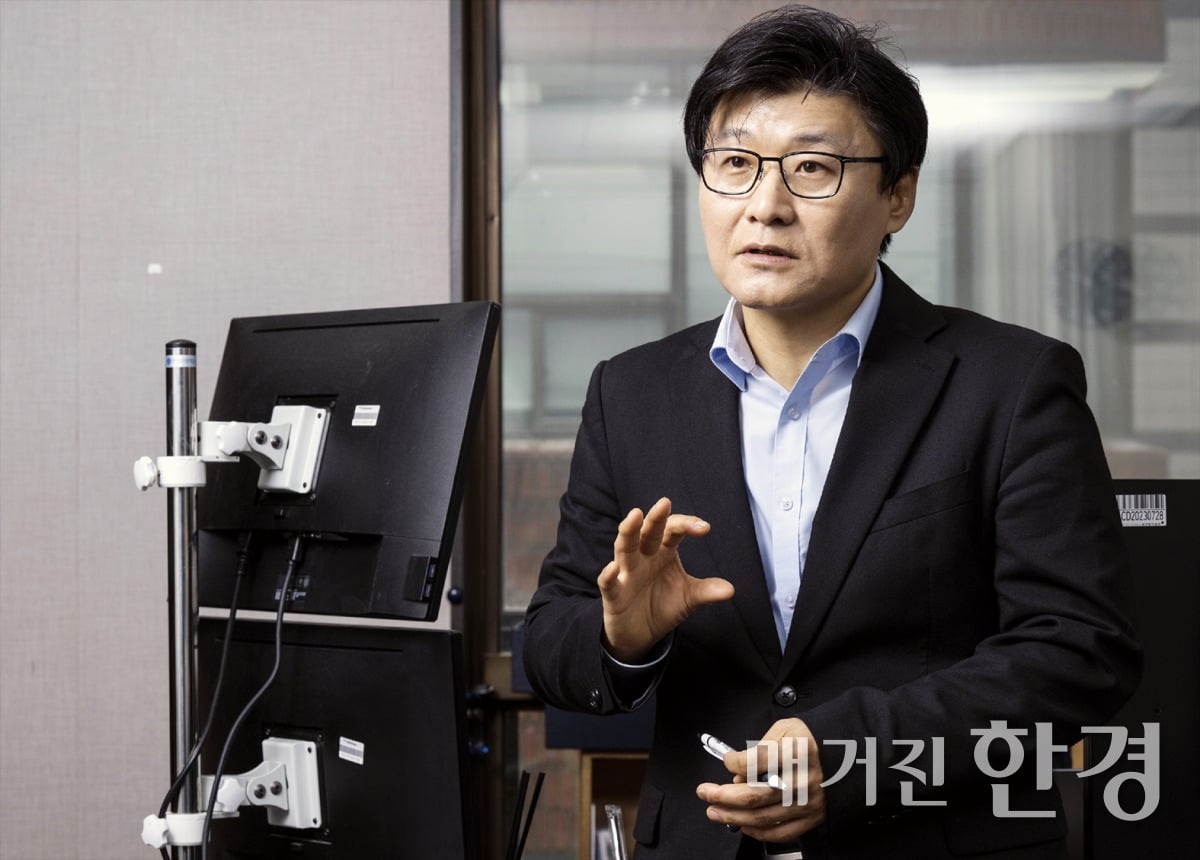
[Cover] “In the AI Era, Memory Is a Performance Variable, Not a Cost”
네이버뉴스 · 2026.08.04
📰 View original
Samsung Electronics Slips to 13th in Global Market Cap… Plunges 40% from Peak Amid AI Bubble Concerns
네이버뉴스 · 2026.08.04
📰 View original
Comments 0
to comment Login