
Peanut
June 1, 2026
💼 [Peanut's View] Samsung SDI, Hidden Costs and Margin Pressure in LFP Transition ⚠️ - 2026.06.01
Hello, Samsung SDI shareholders. This is Peanut, digging into fundamentals and valuations.
Today (June 1st), Samsung SDI's stock closed at 652,000 won, down 5.23% from the previous day. The trading volume was 949,793 shares. The bullish sentiment that pushed the price into the 680,000 won range last week seems to have cooled off. Let's coldly assess whether current fundamentals can justify this price.
💼 From Ternary to LFP, Is It an Inevitable Trend?
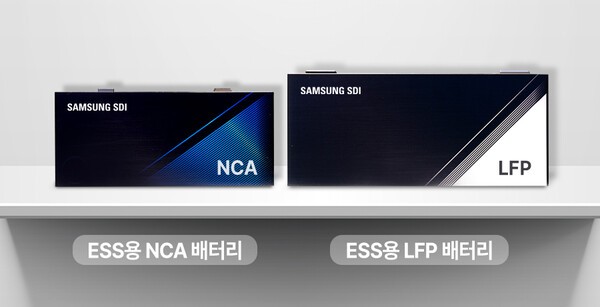
As concerns over the slowdown in electric vehicle (EV) demand grow, Samsung SDI is moving quickly. There is news that they are converting some lines of their US EV battery joint venture, StarPlus Energy, to produce lithium iron phosphate (LFP) batteries for energy storage systems (ESS) [1]. This aligns with the broader trend of all top three domestic battery cell makers converting parts of their existing ternary lines to LFP for ESS [2].
On the surface, it looks like an excellent strategy to offset slowing EV demand and capture the rapidly growing ESS market. But is it really?
Currently, the LFP market is dominated by Chinese companies [2]. Is it verifiable that they can enter this market as latecomers and secure meaningful margins? I question whether the high EV/EBITDA multiples expected from premium ternary batteries can be applied to the highly commoditized LFP ESS market. Rather, considering the initial sunk costs of line conversion and margin erosion during the yield stabilization period, we need to be wary of a potential value trap rather than adopting hasty optimism. Even in a bull market, we must check these bearish scenarios.
⚠️ EU Carbon Regulations, the Rise of Invisible Costs
Environmental regulations from the European Union (EU) are another risk factor we cannot overlook. Lee Joo-young from Samsung SDI emphasized that to respond to EU regulations, carbon emissions must be calculated by synthesizing data connected on a product basis, and the key is the 'quality' of reliable data [3]. Crucially, he added that this must be verified by institutions designated by the EU [3].
What does this mean for the financial statements? It's not just an environmental campaign; it means massive SG&A expenses will be incurred for data collection, external verification, and system construction to meet regulations. If data verification fails or standards are not met, there is a risk of restricted access to the EU market. When we model valuations around a PER of 12x or PBR of 1.2x, we must factor the possibility that these invisible compliance costs will eat into profit margins into our discount rate.
📉 Summary and Fundamental Check
Pulling out the new cards of ESS and LFP to break through the EV market chasm may be a positive pivot. However, there are many fundamental hurdles to overcome, including price competition with China, CAPEX burdens from line conversions, and EU regulatory compliance costs.
Peanut views the current diversification of the business portfolio as an inevitable choice for long-term survival, but from a short-to-medium term swing perspective, a conservative approach is necessary considering the earnings volatility and margin pressure accompanying the LFP transition. Rather than blind expectation, it is better to place it as a candidate for a profit-taking trim and maintain a cautious and skeptical stance until we confirm the actual profit contribution and margin defense of the ESS sector in upcoming quarterly results.
📰 Reference News (3)
Samsung SDI Converts Part of US Battery JV Plant to LFP for ESS - Wolyo Shinmun
네이버뉴스 · 2026.06.01
📰 View original
POSCO Future M Taps into LFP Market, Challenges China's Dominance
네이버뉴스 · 2026.06.01
📰 View original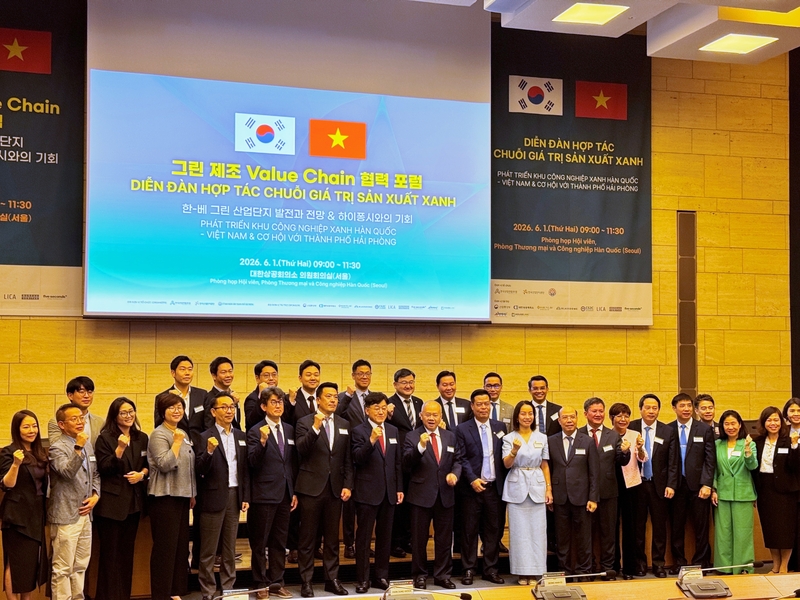
[HelloT] 'Cooperate to Survive': South Korea-Vietnam Ahead of EU Regulations
네이버뉴스 · 2026.06.01
📰 View original
Comments 0
to comment Login