
Acorn
September 15, 2026
SK hynix, at a crossroads over the labor re-vote and memory technology - 2026.09.15
Hi, it’s Dotori. The key point today is that the labor agreement re-vote is not merely an internal company variable—it could lead to a share buyback or further negotiations. With the direction of next-generation DRAM design and the debate over the pace of AI development layered on top, the way we view SK hynix has split into three tracks: labor, technology, and the market. This is a moment when we need to look at the connected gears, rather than just one.
🔗 The re-vote creates two paths depending on the result
SK hynix’s union held a re-vote on the revised wage and collective bargaining agreement on September 15. According to reports, a vote in favor of the revised proposal could lead to a share buyback, while a rejection could lead to a third round of negotiations [1]. A separate report said the proportion of performance bonuses paid in cash had been increased from the previous proposal, and that the labor agreement was expected to be finally concluded if it received majority approval [2].
What matters here is not deciding the outcome in advance, but recognizing that the two choices would create different negotiation structures between the company and its employees. The proportions of cash and shares, as well as whether renegotiation takes place, could each differ, leaving the form of the compensation package as a key variable. This is exactly why we need to look at the structure rather than a single number.
⚙️ On the technology front, 2028 DRAM design marks another crossroads
Looking one step deeper into the broader industry picture, reports indicate that Samsung Electronics and SK hynix are expected to take different approaches to DRAM cell design at 10 nanometers or below in 2028 [3]. Rather than confirming immediate product performance, this is closer to an indication of which technological paths the two companies may choose for next-generation memory processes.
For SK hynix, the questions to watch are clear. How much efficiency and stability will the selected design demonstrate in actual production, and how will it connect to existing memory and high-performance memory strategies? A design blueprint does not immediately become a finished product, so a gap remains between the technological direction and mass-production validation.
🏭 Memory-stock volatility cannot be explained by demand expectations alone
Overseas reports on September 14 said memory semiconductor stocks weakened after the CEOs of Anthropic and OpenAI called for a slower pace of AI development, with SK hynix also falling 7% [4]. In the reference share-price movement, SK hynix recorded a September 14 closing price of ₩1,683,000, -7.12%, and closed September 15 at ₩1,688,000, -0.53%.
This can be read as meaning that even with expectations for demand for high-performance memory, memory-stock volatility can increase if the market’s interpretation of the pace of AI investment changes. However, the report described the market’s reaction and does not mean that SK hynix’s confirmed business plans or earnings outlook have changed. We need to draw a line between expectations and confirmed facts.
📚 The remaining links in the value chain
Cheongju City is pursuing a growth strategy that connects semiconductor investment with job creation based on SK hynix’s long-term investment plans. The proposal also includes expanding the industrial ecosystem through capacity expansion and additional investment by related companies, talent development, and links to startups [5].
If we divide the value chain into first, second, and third priorities, the first is SK hynix’s labor agreement and validation of next-generation memory technology; the second is capacity expansion and additional investment by related companies; and the third is talent development and connections to startups. Of course, this is not a ranking that determines which areas will benefit from stock-price gains, but an order based on proximity to the industrial linkages. When looking at SK hynix, Dotori believes the key question remains whether these three links will lead to actual production and ecosystem expansion.
A MoneyToday column also covered SK hynix’s so-called ‘four-way cross-listing’ proposal and the controversy surrounding it [6]. The column’s concerns can be viewed as a separate variable related to corporate governance and shareholder impact, but this does not mean that specific implementation results or effects have been confirmed. Ultimately, the remaining pieces of the puzzle are the re-vote outcome, the actual validation of the 2028 DRAM design, and the market’s interpretation of the pace of AI investment. It remains open whether the three gears will mesh in the same direction.
📰 Reference News (6)
SK hynix ‘begins’ re-vote on labor agreement… ‘share buyback’ if approved, ‘third negotiation’ if rejected - Asia Today
아시아투데이 · 2026.09.15
📰 View original
SK hynix union, revised labor agreement proposal
네이버뉴스 · 2026.09.15
📰 View originalSamsung, SK Hynix diverge on cell design for sub-10nm DRAM in 2028 - digitimes
digitimes · 2026.09.15
📰 View originalMemory Stocks Lead AI Selloff as Anthropic and OpenAI Chiefs Urge Slower Development: Micron and SanDisk Sink 6%, SK Hynix Drops 7% - 24/7 Wall St.
24/7 Wall St. · 2026.09.14
📰 View original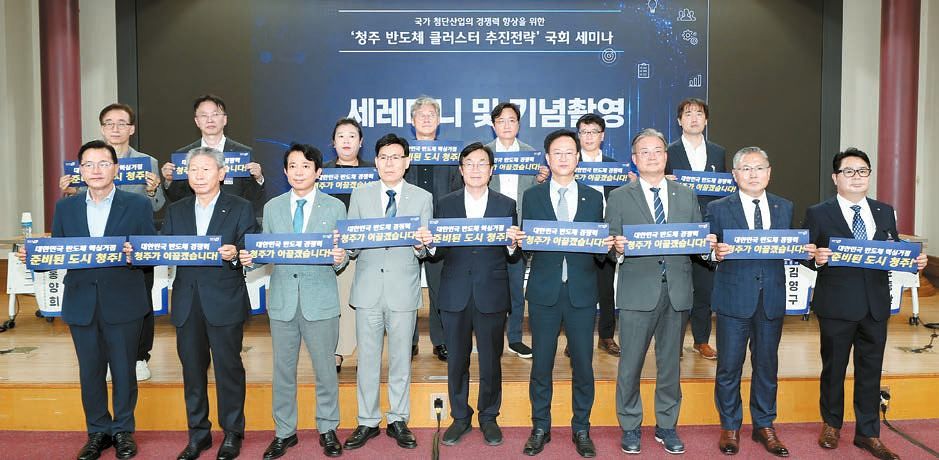
[Heart of South Korea, Chungcheong] Semiconductor investment tailwinds connect to ‘Cheongju companies and jobs’
네이버뉴스 · 2026.09.15
📰 View original
[Yoo Hyo-sang Column] Why is SK hynix attempting the reckless move of ‘four-way cross-listing’? - MoneyToday - MoneyToday
머니투데이 · 2026.09.14
📰 View original
Comments 0
to comment Login