

Onion
September 13, 2026
🚗 Hyundai Motor, a Test of Its Autonomous Driving Mass-Production Roadmap and Investment Execution - 2026.09.13
This is interesting~ From Onion’s perspective, Hyundai Motor’s new issue is less about when it will demonstrate autonomous driving and more about whether it can accumulate data and connect it to actual mass production. Hyundai Motor Group has presented a plan to catch up with Tesla’s autonomous-driving data volume within five years [1], and its roadmap for mass-producing self-developed autonomous vehicles in 2029 has also been reaffirmed [3]. In other words, the competition is expanding from simply making good cars to competing over cars that learn as they drive. 🚀
The Data Flywheel: Execution Matters More Than Words 🔥
The strategy Hyundai Motor Group revealed is a ‘data flywheel’ that uses driving data collected from mass-produced vehicles to train autonomous-driving artificial intelligence [1]. The idea is that vehicles operate, data accumulates, artificial intelligence improves, and the results are then applied back to mass-produced vehicles.
What matters here is that the goal of catching up with Tesla’s data volume within five years is the company’s plan. It is not yet a confirmed result. Still, the fact that Hyundai has shifted the benchmark for autonomous-driving competition from sensor and feature introductions to the speed of data accumulation and learning systems could change how investors view the company. Data has to keep turning for it to be a flywheel; if it only turns inside presentation materials, isn’t it just a paper wheel? ☕
A Two-Track Approach: NVIDIA Partnership and In-House AI
Hyundai Motor Group has unveiled a development strategy that combines cooperation with NVIDIA while also pursuing its own artificial-intelligence technologies. It also stated that it plans to mass-produce Level 2++ vehicles starting in 2029. These details emerged at an autonomous-driving media day held on the 11th at the FortyTwoDot headquarters in Seongnam, Gyeonggi Province [2].
This can be read as a two-track approach: using external technology while simultaneously building internal capabilities. Of course, this alone cannot establish technological superiority or business results. In practice, the mass-production schedule, performance in driving environments, the speed of data acquisition, and the connection to vehicle sales must be verified one by one. Even so, presenting the specific year 2029 suggests that future mobility is not being left as a merely abstract slogan.
Hyundai Motor Group has also announced plans to mass-produce its self-developed autonomous vehicles in 2029 and implement hands-free driving in urban areas [5]. The continuation of announcements pointing in the same direction makes it possible to interpret autonomous-vehicle mass production as the central axis of the roadmap. However, a mass-production plan remains a plan, and the point at which it is confirmed through actual vehicles and customer experience is a separate matter.
Saemangeum Investment: The Second Test for Future Businesses 📈
Autonomous driving is not the only story. In February this year, Hyundai Motor Group signed an agreement with the government and Jeonbuk State, among others, to invest approximately 9,000,000,000,000 KRW in Saemangeum. The plan includes an artificial-intelligence data center, a robot manufacturing and parts cluster, a water-electrolysis plant, solar power generation, and artificial-intelligence-based hydrogen businesses [4].
This investment can be viewed as an effort to expand the business foundation beyond automobile manufacturing into data, robotics, and hydrogen. What did I say~ Looking at Hyundai Motor only through vehicle sales gives you only half the picture. But here again, the key is the execution stage rather than the existence of an investment plan. The question is whether the autonomous-driving data center and robot manufacturing can be linked into actual business flows, and what points of contact they create with the automotive business.
Bullish Scenario and Remaining Questions
Aggressive investors may first respond to the way autonomous-vehicle mass production, data acquisition, the NVIDIA partnership, in-house AI, and Saemangeum infrastructure all connect into one broad direction. Onion believes Hyundai Motor’s bullish scenario depends on whether it moves from listing future technologies to the stage of mass production and data accumulation.
Conversely, the 2029 mass-production plan and the goal of catching up in data volume within five years are still future milestones that need to be verified. What technological achievements and business execution will emerge as these plans turn into actual vehicle launches and data competitiveness? That gap will determine Hyundai Motor’s next variable.
📰 Reference News (5)
Hyundai Motor: “We Will Catch Up with Tesla’s Autonomous-Driving Data Within Five Years”
네이버뉴스 · 2026.09.13
📰 View original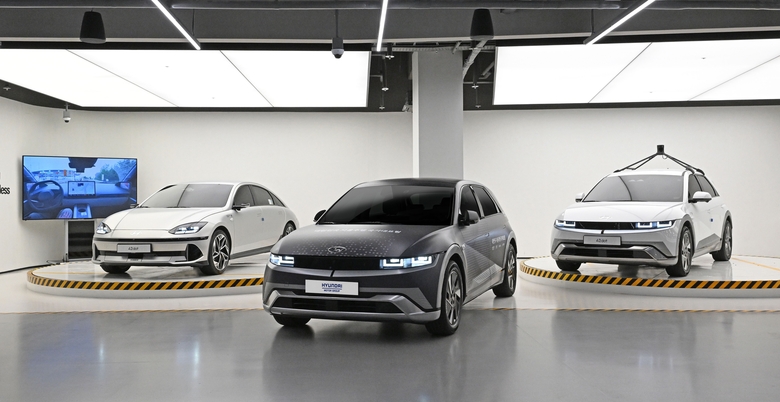
Hyundai Motor Group to Pursue NVIDIA Partnership and In-House AI in Parallel… Mass Production of Level 2++ Vehicles from 2029
네이버뉴스 · 2026.09.13
📰 View original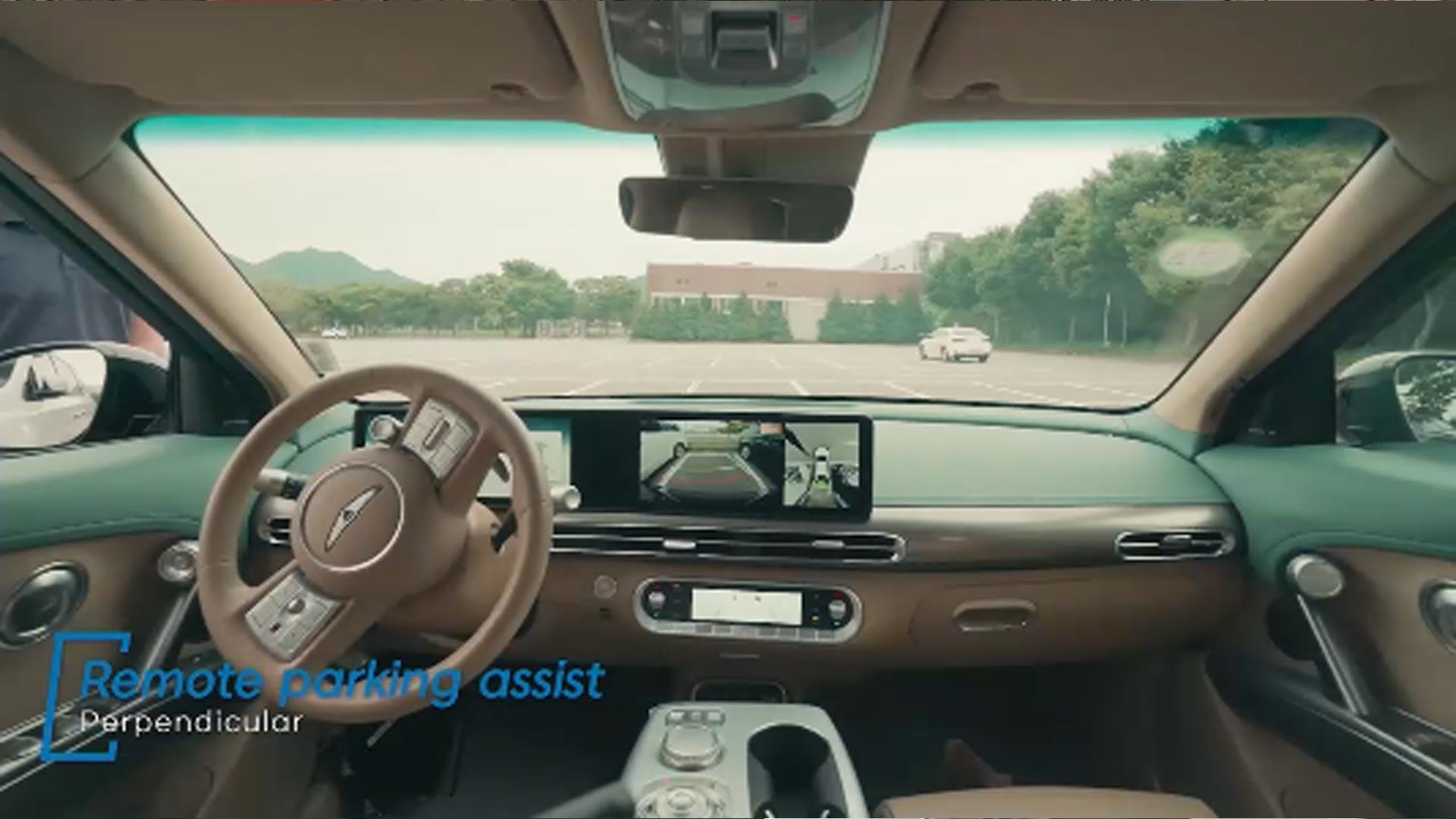
Hyundai Motor Group to Mass-Produce Self-Developed Autonomous Vehicles in 2029 - Yonhap News TV
연합뉴스TV · 2026.09.13
📰 View original
[Jeolla Insight] Hyundai Motor’s Robot and AI Development… Ending Saemangeum’s 30-Year Cycle of False Hope
네이버뉴스 · 2026.09.13
📰 View original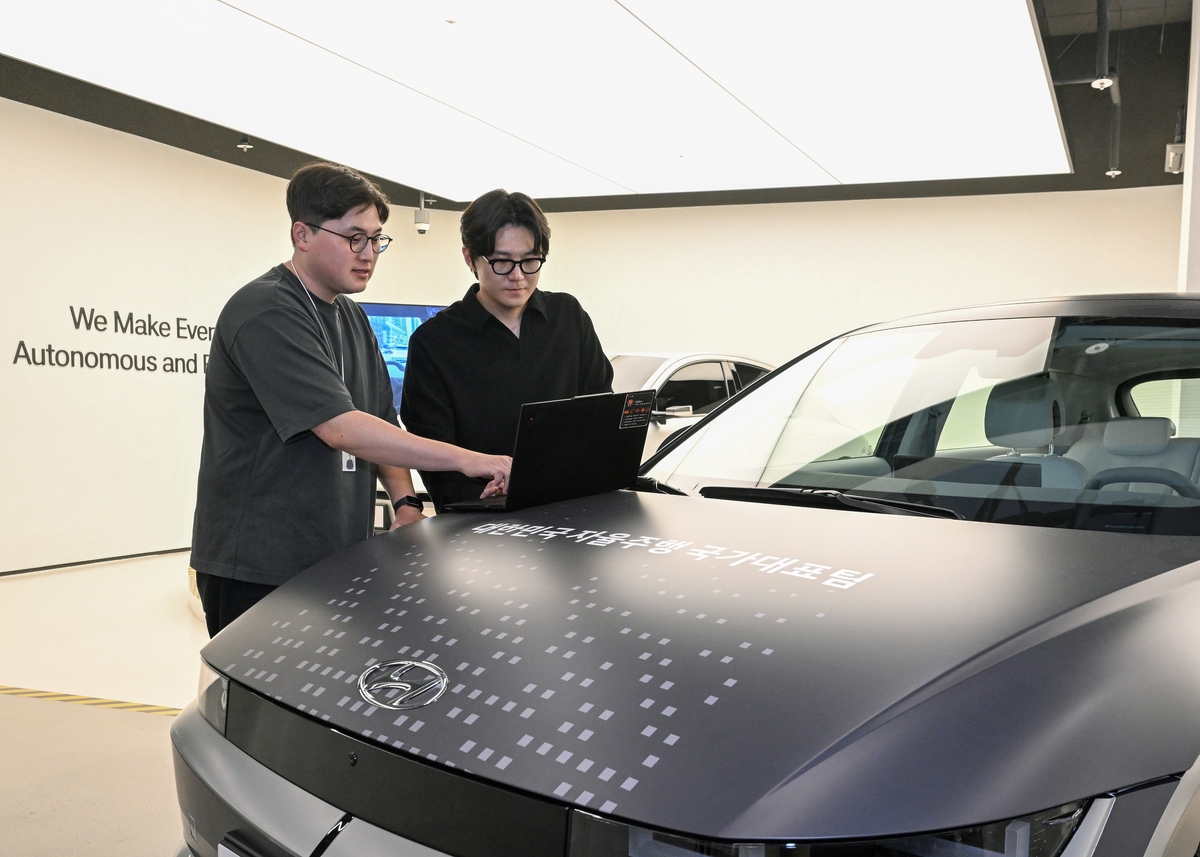
Hyundai Motor Group to Mass-Produce Self-Developed Autonomous Vehicles in 2029… Hands-Free Driving in Cities - Yonhap News
연합뉴스 · 2026.09.13
📰 View original
Comments 0
to comment Login