
Acorn
September 15, 2026
⚙️ Nvidia: Power Efficiency Meets the Debate Over AI Regulation - 2026.09.16
Hi, it’s Dotori. When looking at Nvidia now, the most important question seems less about how much faster AI computing can be expanded and more about how to operate that computing within limited power and regulatory conditions. Nvidia has indicated that it can deliver 40% more computing with the same amount of power [1], while reports have also emerged that Jensen Huang strongly rejected calls to slow the AI industry down [4]. Power is becoming tighter, while the debate is growing.
🔗 Let’s start with the big picture: the bottleneck is power
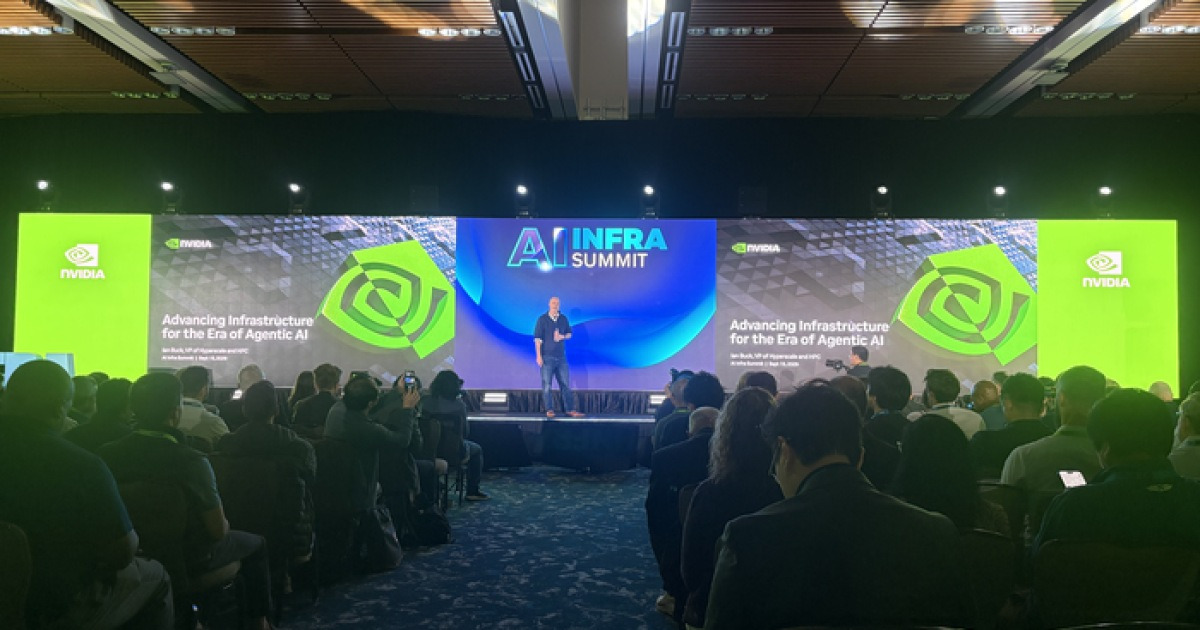
In a report dated September 15, Nvidia said that, assuming an AI data center environment with limited power supply, it could provide 40% more computing with the same amount of power [1]. The key point here is not simply to boast about GPU performance figures. It is that as AI infrastructure expands, data center power supply can become a condition that constrains the growth of computing, and that technologies improving efficiency within those constraints are becoming one axis of competition.
Put more narrowly, this news focuses not on the claim that AI demand will continue, but on how to handle the real-world bottleneck of power. The structure cannot be completed simply by adding more computing equipment; power and data center operations must also mesh like interlocking gears. If one gear spins without engaging, the entire relay slows down.
⚙️ Three strands that stand out first in the value chain
Placed in the value chain, the big picture can be divided into first priority, computational efficiency relative to power; second, a structure that analyzes data immediately where it resides; and third, the policy environment surrounding AI regulation and the industry’s pace. This is not an order for predicting stock-price direction, but an order for examining Nvidia’s AI infrastructure links.
A case connected to the second priority is the collaboration with Splunk. According to a Seoul Economic Daily report, Splunk and Nvidia are working together on conducting AI analysis without separately moving the data [2]. That is the extent of the factual information here. Structurally, its significance can be read as an example of Nvidia’s connection to a trend that seeks to reduce data movement itself or analyze data at the location where it exists. The stage for AI analysis is expanding beyond the data center to environments where real-world data is actually located. However, the scale of the business or its financial impact cannot be determined solely from the collaboration described in the article.
📚 The regulatory debate is not an outside variable in the technology competition
Bloomberg reported that Jensen Huang expressed the view that the AI industry does not need new laws [3]. This statement shows that Nvidia stands at the center not only of products and infrastructure, but also of discussions about AI regulation. Depending on whether regulations are tightened or the existing framework is considered sufficient, the operating conditions for the industry may change. Policy is therefore not decoration outside the value chain, but a real variable.
Meanwhile, another report introduced Jensen Huang as strongly rejecting the idea of “slowing down the pace of AI” in connection with the industry’s growth [4]. What can be confirmed here is the content and subject of the statement. It should not be overinterpreted as a definitive business result or demand outlook for the company. The accurate reading is simply that debates over policy and industry growth are expanding at the same time.
Dotori sees power efficiency, on-site analysis, and the regulatory environment not as separate materials, but as one connected structure. How Nvidia’s stated computational efficiency relative to power will be received in actual data center operations, what scope the Splunk collaboration will reach, and what response the position that no new laws are needed will generate in policy discussions remain open questions. Whether the debate over AI’s pace becomes a question of technology or one of power and rules is the next point to watch.
📰 Reference News (4)
AI Data Center Blocked by Power Constraints… Nvidia: “40% More Computing with the Same Power” - v.daum.net
v.daum.net · 2026.09.15
📰 View original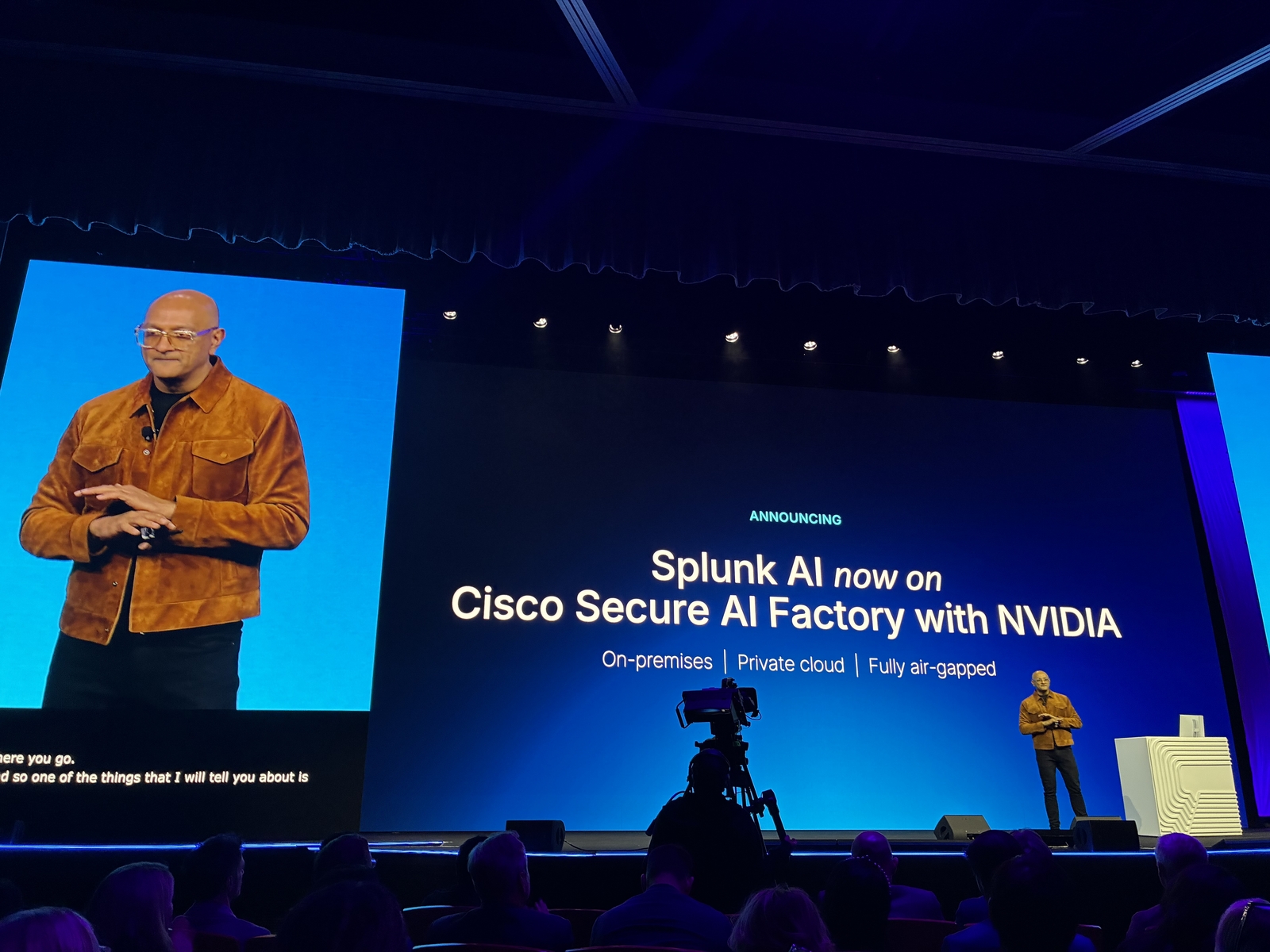
AI Analysis Without Moving the Data… Splunk Joins Forces with Nvidia - Seoul Economic Daily
서울경제 · 2026.09.15
📰 View originalNvidia’s Huang Says AI Industry Doesn’t Need Any New Laws - Bloomberg.com
Bloomberg.com · 2026.09.15
📰 View original[Kim Dae-ho Profile] Nvidia’s Jensen Huang… AI Pace Control Is “A Blatant Lie” - g-enews.com
g-enews.com · 2026.09.15
📰 View original
Comments 0
to comment Login