
Peanut
September 4, 2026
📉 Tesla Cybercab: The Verification Hurdle Is Harder Than the Launch - 2026.09.05
Hi, it’s Peanut. Tesla’s Cybercab reached actual roads on September 4, but the market’s first reaction was closer to calculating verification costs than celebrating the launch. Tesla’s stock fell 6%, and assessments emerged that the Cybercab update had underwhelmed Wall Street [1]. Other reports the same day said the steering-wheel-free design had drawn regulatory scrutiny [2]. The future vision is clear, but the execution evidence that can be entered into the income statement still needs to be counted separately.
Cybercab, From Announcement to the Road
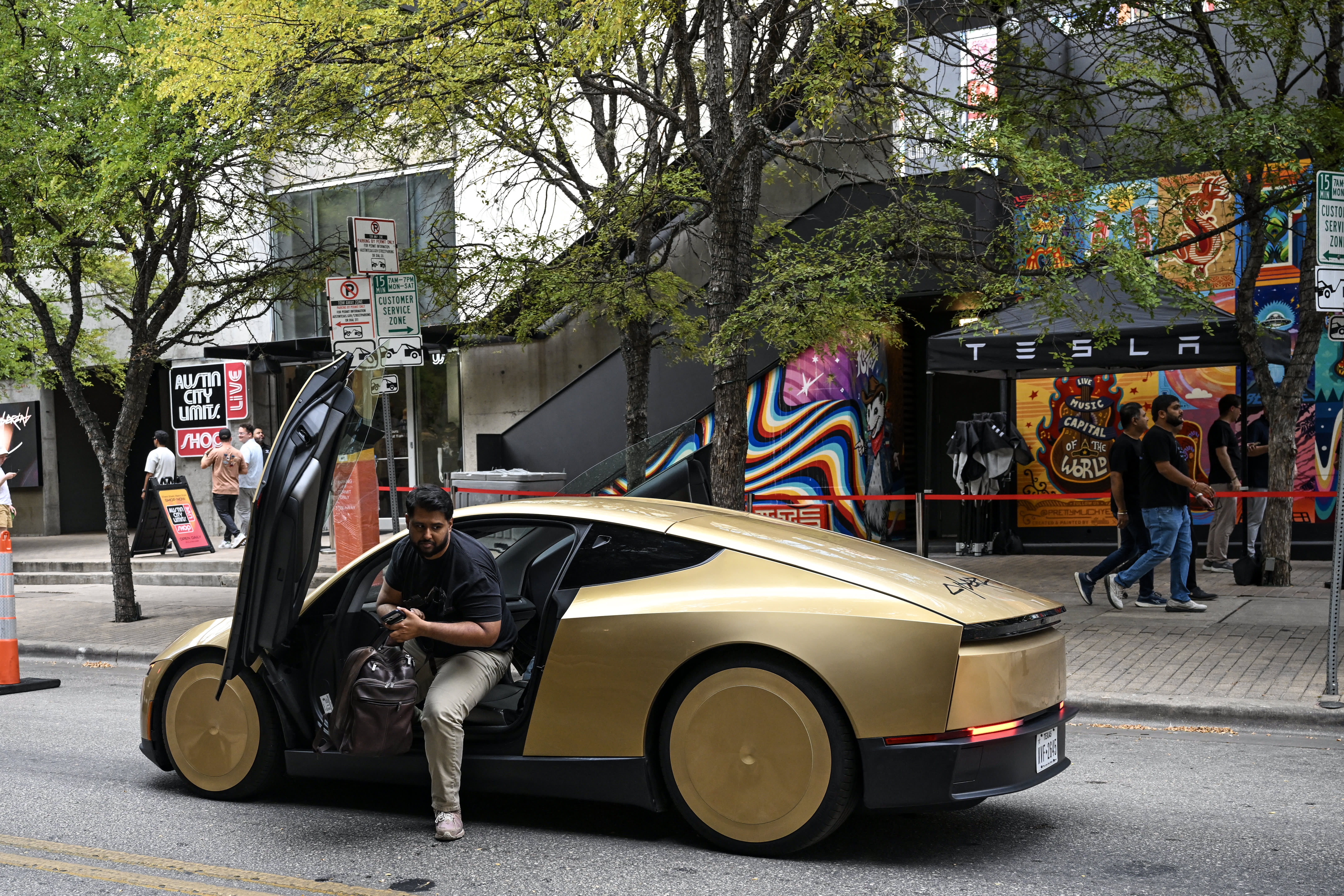
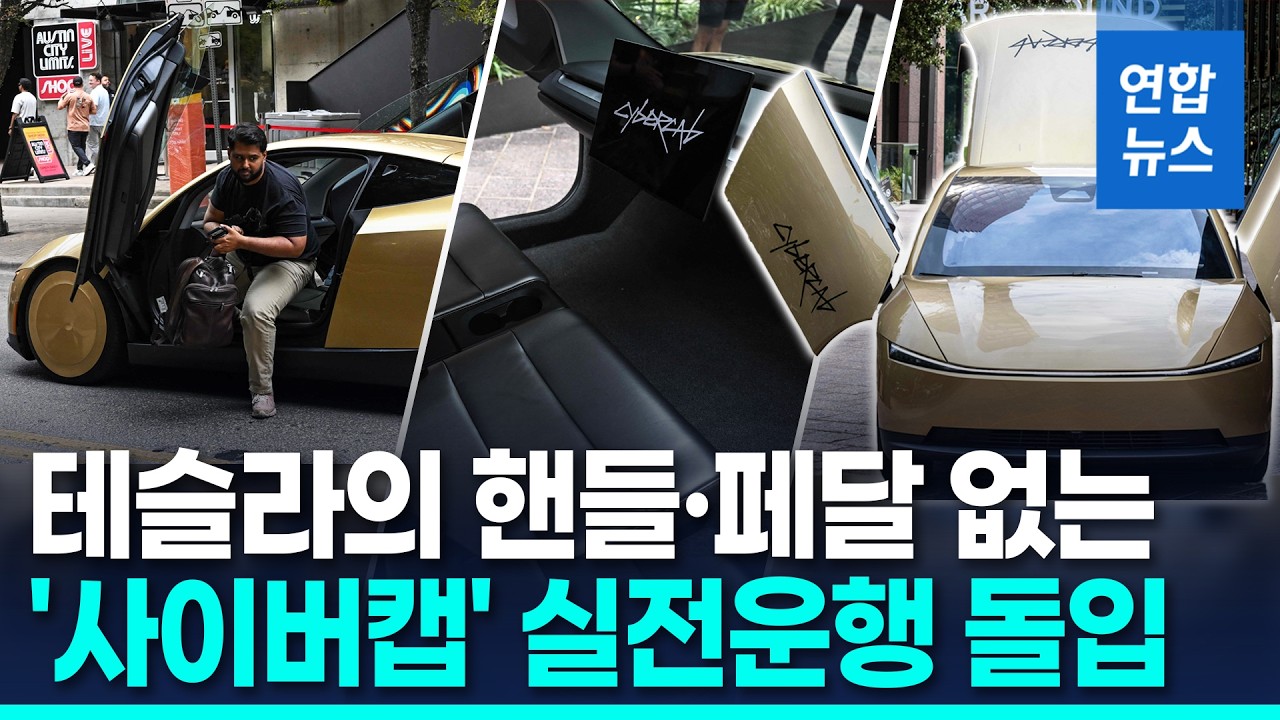
Reports said Tesla officially launched the Cybercab [3]. According to Yonhap News, a pilot service for a two-seat robotaxi without a steering wheel or pedals began in Austin, Texas, entering limited operations that carry passengers on some city routes [4]. Reports also said production and testing on public roads had been underway since April this year.
The important change here is that autonomous driving has appeared, albeit on a limited basis, as passenger transportation rather than as footage from an event venue. However, a fairly long bridge lies between a “pilot service” and a repeatable business model across a broad area. What is needed to cross that bridge is not a flashy door, but verifiable items such as operating range, safety validation, and regulatory approval. Is that really the case?
The Advantage of Having No Steering Wheel, but a Question Mark for Regulators
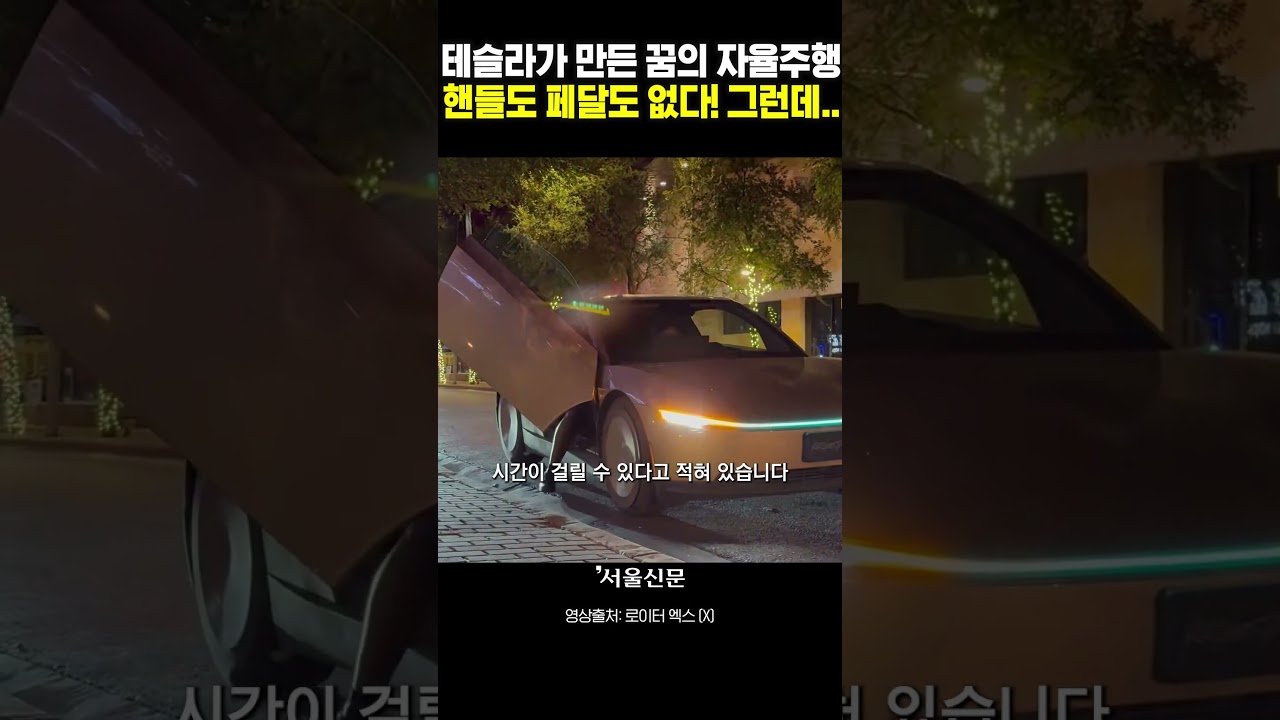
Seoul Shinmun introduced the Cybercab as a fully autonomous structure without a steering wheel or accelerator and brake pedals, pointing out that it has no means of manual intervention in an emergency. It also reported the controversy that Tesla’s autonomous-driving technology is the subject of a safety investigation by U.S. transportation authorities [5]. Moomoo likewise interpreted the 5% stock decline as being influenced by the regulatory review triggered by the steering-wheel-free design [2].
This is difficult to view as merely a product-design debate. Removing the steering wheel may simplify the vehicle structure, but it makes the question of who intervenes, and how, in an accident or breakdown even bigger. The company’s launch announcement and a regulatory authority’s review are information from different layers. The launch is confirmed, but based only on the materials provided, it is difficult to judge what result the review will produce.
The Market Is Measuring Commercialization Speed More Than Technology
Articles covering the Cybercab launch emphasized the product’s symbolism and its actual operation, but CNBC’s account of Wall Street’s assessment leaned toward the view that it had fallen short of expectations [1]. The fact that pilot operations have begun and the market’s recognition of sufficient business value are not the same statement. For a new vehicle announcement by an automaker, production and sales lead to key figures, but a robotaxi adds another intermediate hurdle: safety validation and operating authorization.
There were also reports that a gold Cybercab without a driver had been spotted being tested in the Washington, D.C. area [6]. A scene suggesting that the region is expanding attracts attention, but sightings of test vehicles alone cannot be used to calculate service scale or profitability. Expectations without numbers are like empty cells in a corporate-value model. They look expansive, but the calculation is not yet available.
Bearish Scenario and the Next Checkpoint ⚠️
From a short- to medium-term swing perspective, the bullish robotaxi mood and the regulatory and safety burdens overlap on the same screen. The fact that the Cybercab has begun actual operations is clearly progress, but the regulatory acceptance of its steering-wheel-free structure, the safety-investigation issue, and the speed at which limited operations will expand remain open variables. Peanut believes that calculating the current phase based only on technology expectations risks overlooking the possibility of a value trap.
In the end, the next question looks simple, but the answer is difficult. Will the Cybercab’s limited pilot service lead to repeatable operating records and regulatory confirmation, or will the gap between launch expectations and actual commercialization remain? This time, the vehicle has reached the road, and the market now appears to be waiting for the verification numbers from that road.
📰 Reference News (3)
Tesla’s Stock Drops 6% as Cybercab Update ‘Underwhelms’ Wall Street - CNBC
CNBC · 2026.09.04
📰 View originalU.S. Stock Market Moves | Tesla (TSLA.US) Drops 5% as Cybercab’s Steering-Wheel-Free Design Triggers Regulatory Scrutiny - Moomoo
Moomoo · 2026.09.04
📰 View originalTesla Officially Launches the Cybercab -- 2 Things Investors Need to Know - The Motley Fool
The Motley Fool · 2026.09.04
📰 View original📺 Reference Videos (3)
Tesla’s ‘Cybercab’ Takes to the Roads… Butterfly-Door Robotaxi / Yonhap News (Yonhapnews)
▶연합뉴스 Yonhapnews·2026.09.04

Tesla Is Testing Gold, Autonomous Cybercabs in the DC Area | NBC4 Washington
▶NBC4 Washington·2026.09.04
Comments 0
to comment Login