
Goguma
September 19, 2026
🍠 Hanwha Aerospace: Two Paths of Autonomy and Export Expansion - 2026.09.19
Hi, it’s Goguma. The core of this Hanwha Aerospace update is the drive to make proven weapon systems autonomous and embed them more deeply in overseas markets. The start of autonomous conversions for the K9 and Chunmoo, prototype deliveries to the U.S. Army, and the Arion-SMET demonstration are overlapping at once, bringing the expansion of the business structure—not simply the addition of products—to the forefront. At the same time, we need to remember that prototypes, demonstrations, and development stages face different thresholds from actual large-scale production.
🍠 Hanwha’s Push Toward Autonomous Platforms
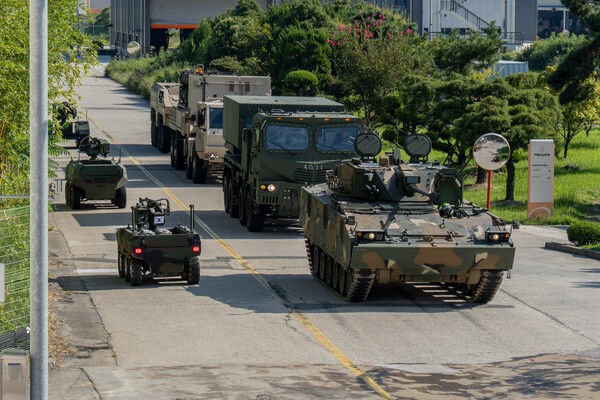
Hanwha Aerospace is reportedly beginning the conversion of ground weapon systems such as the K9 and Chunmoo to autonomous operation. The plan is to strengthen its supply base and technological edge by making existing platforms autonomous while also mass-producing new autonomous maneuver systems [1].
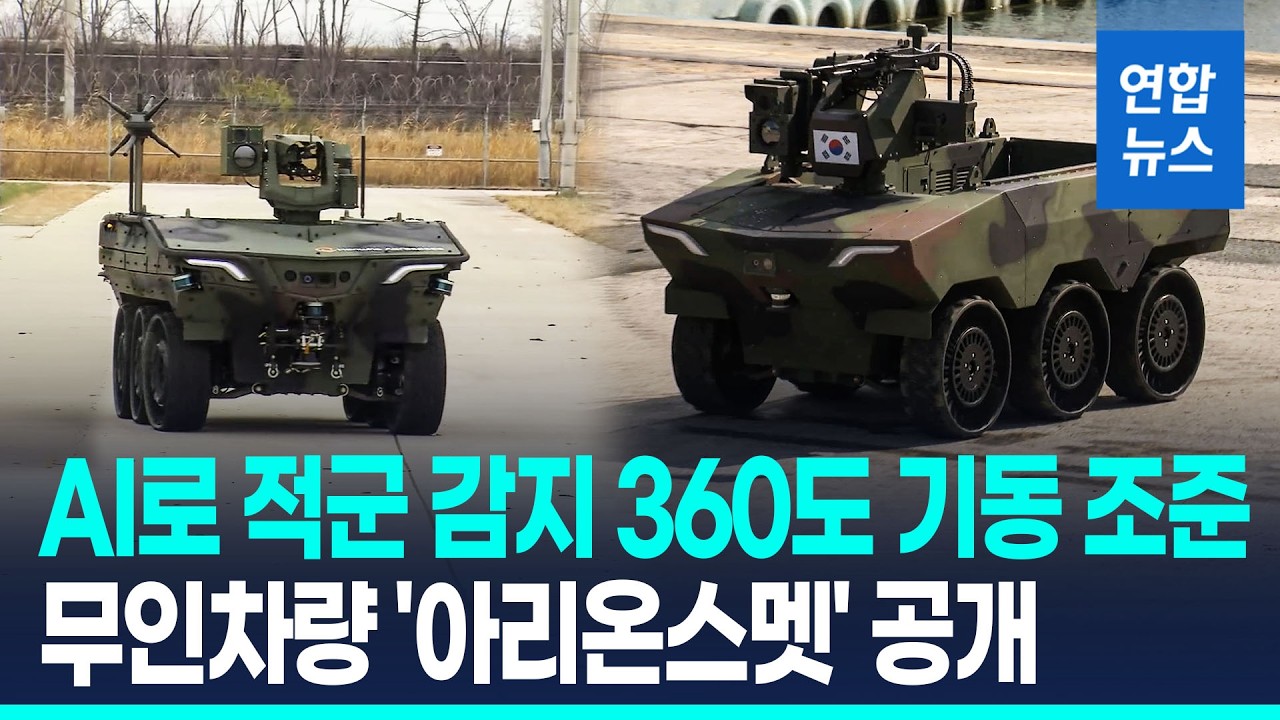
Meanwhile, the Arion-SMET, introduced as the first multipurpose unmanned vehicle of the South Korean military, demonstrated autonomous driving and a 360-degree pivot turn at the performance test site of the Changwon 2 plant. According to Yonhap News, its 6×6 electric drive enables speeds of 60㎞ per hour and material transport, with about 40 units scheduled for delivery to Army and Marine Corps infantry units in 2027 [3].
The important point is that this does not end with “autonomy looks impressive.” The Arion-SMET, for which actual delivery schedules and operating units have been mentioned, reads as a business development one step more concrete than a technology demonstration. By contrast, the K9 and Chunmoo are still mainly described as being at the launch of their conversion, so the next points to check are each system’s development progress and whether it connects to mass production. Even within the large pot of autonomy, the ingredients are somewhat different.
⚖️ The U.S. Market Is at the Validation Stage, Not Just Entry
News of the K9 entering the U.S. domestic market has also emerged. Last August, Hanwha Aerospace signed a contract to supply the U.S. Army with six K9MH wheeled self-propelled howitzer prototypes. The supply is related to the U.S. Army’s project to replace M777 155㎜ towed howitzers [2].
The fact that the K9 has reached the prototype supply stage in the U.S. market adds weight to the overseas expansion story. However, prototype delivery must be distinguished from final selection or confirmation of large-scale supply. Onion views entry into the U.S. market itself as an important turning point. Peanut, on the other hand, points out that evaluations and subsequent procedures remain after the prototype stage. The two views are not exactly in conflict; they are looking at the same door while separating the entrance from what lies inside.
🤝 Redback Combines Ground Combat and Anti-Drone Roles in One Hull
Hanwha Aerospace and Lockheed Martin’s UK subsidiary unveiled a Redback demonstrator combining Hanwha’s tracked hull with Lockheed Martin’s new turret. Based on a 40㎜ autocannon and the integration of “Skyranger,” it is designed to perform ground combat and short-range air defense missions while intercepting drones detected by an external radar [4].
This combination shows an effort to expand the Redback beyond a simple armored vehicle into a multipurpose platform that also incorporates drone countermeasures. Dotori focuses here on the combination of allied-company technologies and mission scalability, rather than the performance of a single product. However, the material concerns the unveiling of a demonstrator, so whether it leads to actual contracts and mass production remains a separate variable. There is always quite a long bridge between an impressive demonstration and recurring revenue.
🎯 The Next Variable in Chunmoo’s Export Network
The Chunmoo was also presented as expanding its sales channels as an export product. The company explained that it plans to establish an association of Chunmoo operator countries starting in 2027 [5]. The plan to connect operator countries can be seen as a move that takes into account an operating system and user network after product sales. However, “can be seen” is my interpretation; the company statement confirmed in the material is the plan to establish an operator-country association.
Here is how Goguma summarizes the four viewpoints. Onion sees the U.S. K9 prototype and the expansion of Chunmoo operator countries as an extension of export contact points, while Dotori views the Redback’s integration of anti-drone capabilities as a shift in product competitiveness. Peanut emphasizes that prototypes, demonstrations, and plans should not be mixed with confirmed orders, while Carrot separately considers projects with actual deployment schedules, such as the Arion-SMET’s planned deliveries. I won’t force these differences into a single conclusion. What the current material shows is that the development of autonomous technologies, validation in the U.S. market, expansion into anti-drone missions, and plans for a Chunmoo operator network are progressing simultaneously.
The final question, as I see it, is just one thing. How tightly will these various development, demonstration, and prototype stages connect to actual mass production and follow-up contracts? Hanwha Aerospace’s next chapter is likely to be determined less by its technology list than by those connecting links.
📰 Reference News (2)
Hanwha Aerospace Begins Autonomous Conversion of K9 and Chunmoo… “A Move to Lock In Long-Term Demand Amid Supply Shortages” - Seoul Finance
네이버뉴스 · 2026.09.19
📰 View original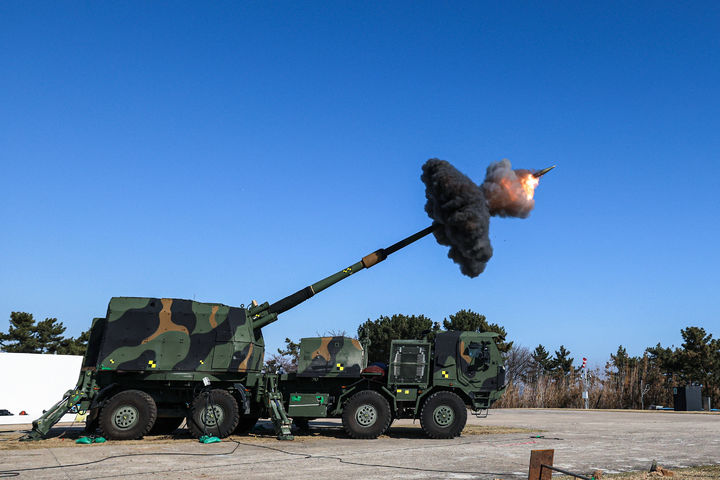
[K-Defense Odyssey] “We’ve Broken Into the U.S. Mainland, Too”…
네이버뉴스 · 2026.09.19
📰 View original📺 Reference Videos (3)


Comments 0
to comment Login