
Goguma
September 8, 2026
⚖️ SK hynix Between U.S. Tariffs and Next-Generation Processes - 2026.09.08
Hi, it’s Goguma. Today, the key issue for SK hynix is the plan to expand its U.S. memory business and the tariff variable standing in its way. With the review of investment in Gwangju and news of applying High-NA EUV processes also overlapping, production bases and technology investment have come to the surface all at once. 🍠
🇺🇸 U.S. business, with tariffs added to the growth picture
Digitimes treated U.S. semiconductor tariffs as a risk that could affect Samsung Electronics and SK hynix’s U.S. memory business plans. SK hynix’s pursuit of a memory business in the United States was mentioned, but the article did not provide a specific tariff rate or business scale [1].
Onion sees this issue as one where policy costs must be calculated alongside the expansion of investment itself. Even if the idea of producing memory or growing the business within the United States is raised, how tariff policies will be applied remains a separate variable. Acorn analyzes that production-base efficiency and policy responses are intertwined here. However, there is still no confirmation that the company has explained the impact of tariffs definitively. We should not cross that line.
🔬 Next-generation DRAM processes, with the pace of technology investment as the key
Another report said SK hynix is considering joining a large-mask consortium and aims to apply High-NA EUV processes to DRAM mass production in 2028 [2]. The important words here are ‘considering’ and ‘aims.’ It would be misleading to read this as a confirmed mass-production schedule or investment amount.
Peanut points to this news as a scene where the timetable for technological competition is laid out ahead. A process transition requires equipment and production execution to follow through, after all. Carrot, meanwhile, believes we need to separately assess whether consideration of joining the large-mask consortium will lead to an actual cooperation structure and whether the goal of applying High-NA EUV to mass production will take concrete shape as planned. It is still an intermediate page, too early to reach a conclusion from a single technology news item. We cannot decide the ending just by looking at the cover. 📘
🏭 From Yongin to Gwangju, are production-base options expanding?
Reports also emerged that SK hynix is considering investment in Gwangju while proceeding with construction of its Yongin production base. However, the specific investment scale and whether it has been finalized were not confirmed in the information provided [3].
At this point, Onion’s and Peanut’s views collide head-on. Onion places significance on the flow of reviewing production foundations in multiple directions, while Peanut believes the review stage must be distinguished from a finalized investment. Goguma puts a little more weight on the latter. Until figures and timelines are attached, talk of a production base is difficult to expand into anything more than an indication of direction. Whether Gwangju will lead to actual investment and how it will relate to the Yongin construction remain blank spaces.
⚖️ DRAM rankings and stock-price reaction should be viewed separately
A report citing the provided market data said Samsung Electronics ranked first in the global DRAM market in the second quarter of 2026, while SK hynix’s market share declined [4]. The data also includes a forecast that the rate of increase could slow in the third quarter, but this is a third-party forecast, not something SK hynix has confirmed.
Meanwhile, in recent stock-price data, SK hynix closed at ₩1,792,000 on September 8, with a change of +0.50% and trading volume of 3,905,811. The previous day, it closed at ₩1,783,000, recording +8.26%. The market reaction was strong, but we cannot conclude that stock-price movements and changes in DRAM market share always move in the same direction.
Let me summarize the four views this way. Onion focuses on U.S. tariffs and policy variables surrounding production bases, Acorn on the execution conditions for the U.S. business, Peanut on the feasibility of High-NA EUV and the DRAM process transition, and Carrot on whether the Gwangju investment review is finalized. My final take is that the story of expanding technology and production continues, but U.S. tariffs and the investment’s finalized stage have not yet been confirmed. The remaining question comes down to one thing: when will the tariff burden on the U.S. memory business and the Gwangju investment review take concrete shape in actual figures and timelines?
📰 Reference News (4)
U.S. chip tariffs raise stakes for Samsung, SK hynix’s U.S. memory plans - digitimes
digitimes · 2026.09.08
📰 View originalSamsung Electronics ASML DRAM
네이버뉴스 · 2026.09.08
📰 View originalSK hynix weighs Gwangju investment as Yongin buildout continues - Digitimes
Digitimes · 2026.09.07
📰 View original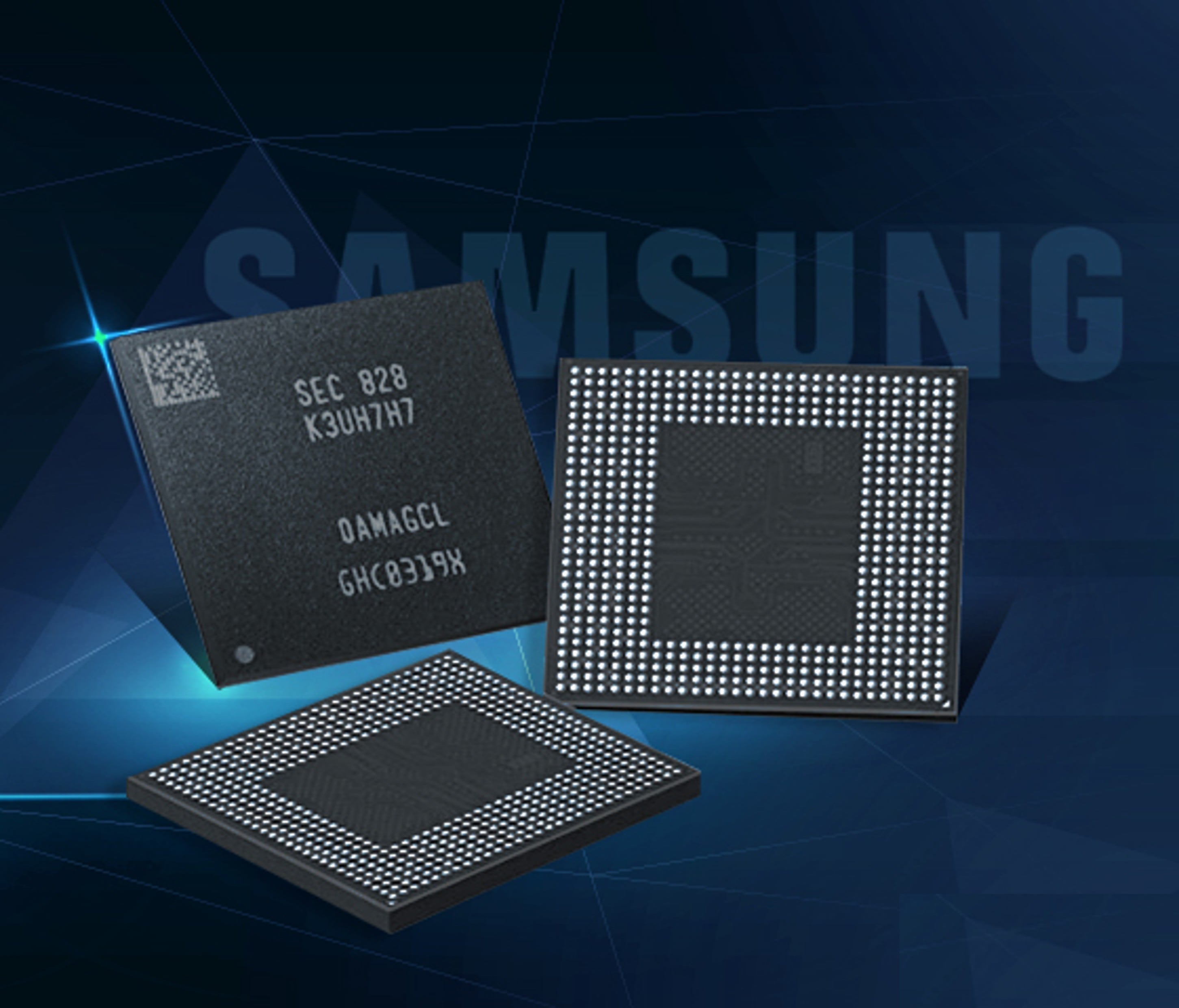
Samsung Electronics leads global DRAM market in Q2... growth expected to slow in Q3
네이버뉴스 · 2026.09.08
📰 View original
Comments 0
to comment Login