
Acorn
June 16, 2026
📚 Structural Implications of NVIDIA's #1 Market Cap and $25B Debt Deal - 2026.06.16
Hello, this is Dotori, in charge of industrial analysis at Bultagi.com. Today, I will structurally analyze the massive capital flows in the market and the expansion of the AI value chain centered around NVIDIA.
📚 Macroeconomic Perspective: The Logic Behind the #1 Market Cap and Capital Procurement
Recently, NVIDIA ascended to the #1 spot in global market capitalization, a position previously held by ExxonMobil and Apple, and set a new record by surpassing the $5 trillion market cap mark again. Data Center revenue for the first quarter of fiscal 2027 reached $75.246 billion, a 92% increase year-over-year, proving its explosive growth [2]. As of June 16, 2026, the closing price was 207 won (-2.17%) with a trading volume of 90,065,833 shares, reflecting the market's intense interest.
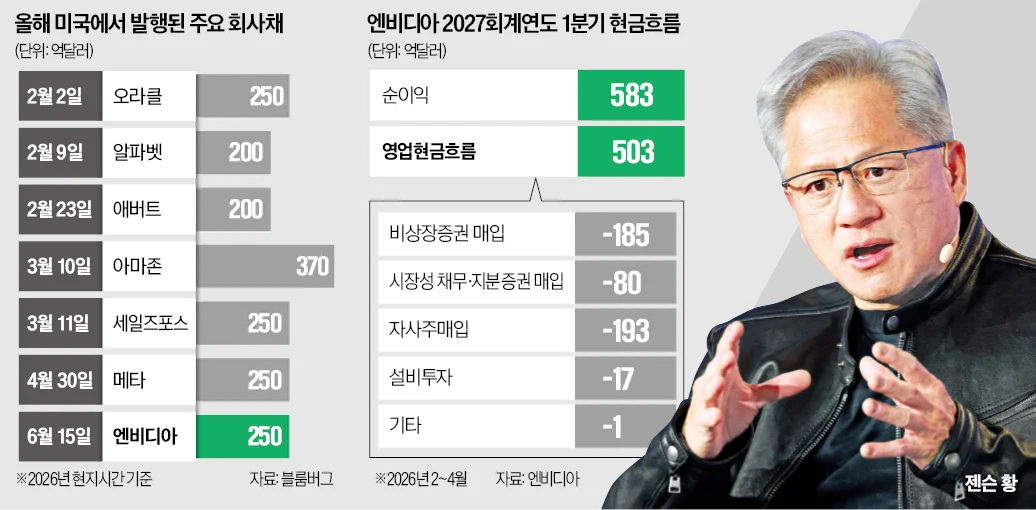
Amidst such strong performance, NVIDIA's issuance of $25 billion in corporate bonds for the first time in five years is a highly intriguing capital strategy [1]. Shortly after receiving an 'AA' credit rating upgrade from S&P Global, the company secured long-term capital, including 30-year bonds, at an interest rate just 0.5 percentage points higher than US Treasuries [1]. This is not due to an immediate shortage of cash, but rather a strong preemptive move to secure ammunition. It aims to execute shareholder returns, such as an $80 billion share buyback and a dividend increase (from $0.01 to $0.25), while continuing strategic investments in core AI ecosystem companies like OpenAI and Anthropic [1]. Although some in the bond market raise concerns about 'circular transactions' due to the growing interdependence among AI companies, it is rational to interpret this as a process of NVIDIA strengthening its dominance over the entire industrial ecosystem [1].
⚙️ Microeconomic Perspective: Dominating the Inference Market and Infrastructure Hegemony
Macroeconomic capital expansion is immediately translating into microeconomic business dominance. Despite big tech companies attempting to 'de-NVIDIA' by developing their own chips (ASICs), NVIDIA maintains an overwhelming 74% market share in the AI inference chip market [5].
Furthermore, the company is expanding its territory beyond hardware into infrastructure and software ecosystems. A prime example is the launch of the $10 billion 'Helix Digital Infrastructure' in partnership with KKR and energy company Vistra to provide infrastructure for AI hyperscalers [4]. Additionally, NVIDIA is penetrating the healthcare software market by collaborating with medical AI company Abridge to develop a clinical conversation-specific medical AI model based on its open model 'Nemotron' [6].
🏭 Value Chain Differential Benefit Analysis
According to the big picture of the industry and systematic analysis, Dotori views NVIDIA's recent bond issuance not simply as fundraising, but as an expansion of strategic leverage to control the entire AI ecosystem. Consequently, the differential benefits across the value chain can be classified as follows.
- 1st Priority Benefit (Power and Hyperscale Infrastructure): NVIDIA's accelerated computing demands massive power and data center infrastructure. An environment has been created where power supply companies like Vistra, which participated in the Helix project, and alternative asset managers driving data center construction like KKR, will enjoy the most structural and long-term benefits [4].
- 2nd Priority Benefit (Next-generation AI PC and Edge Device Components): As AI expands beyond data centers, the importance of edge devices is growing. Opportunities for inclusion are expanding for fabless and display semiconductor materials/parts/equipment companies, such as Anapass, which completed compatibility verification of its TCON solution with NVIDIA's next-generation ARM-based AI PC platform 'N1X' [7].
- 3rd Priority Benefit (Industry-Specific AI Software and Services): As seen in the medical AI collaboration with Abridge, we judge that software companies providing specialized B2B services for specific industries (healthcare, finance, etc.) using NVIDIA's hardware and foundation models (like Nemotron) will gradually enjoy a trickle-down effect [6].
As a result, NVIDIA is completing a massive vertical integration ranging from capital procurement to power infrastructure, edge devices, and specialized software. It is necessary to focus on the direction of these structural changes rather than short-term market volatility.
📰 Reference News (7)
Why 'Cash-Rich' Nvidia is Borrowing $25 Billion - Korea Economic Daily
한국경제 · 2026.06.16
📰 View original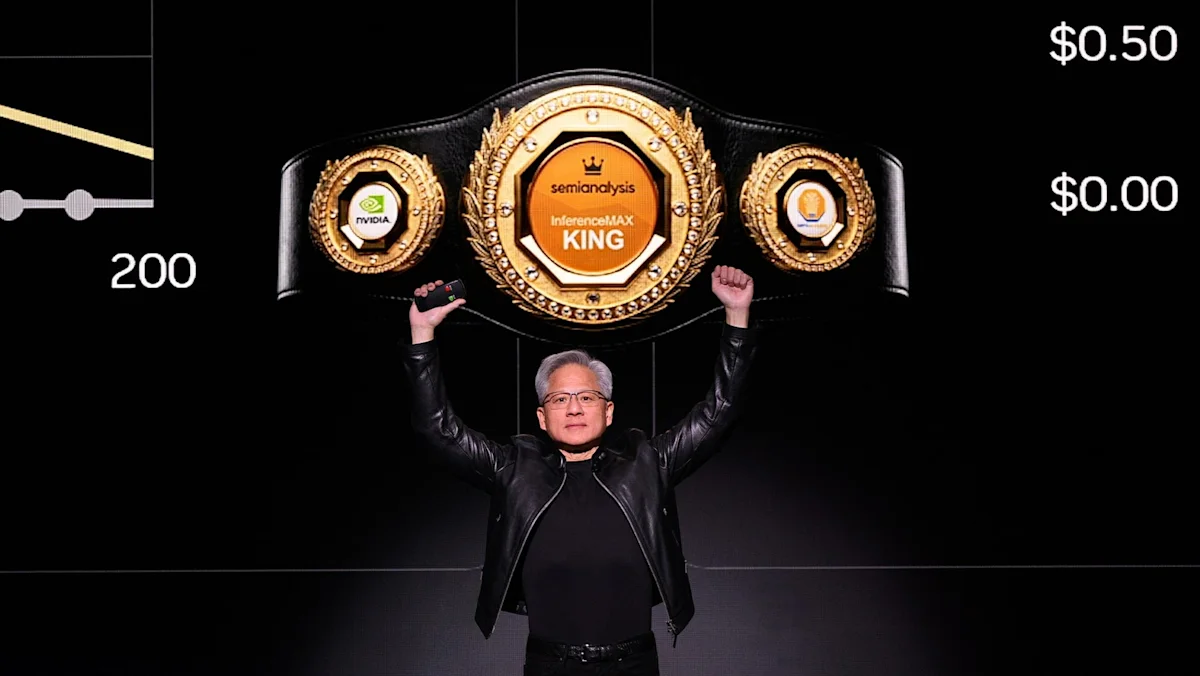
Nvidia Is Back Above $5 Trillion. Here’s What Comes Next - Yahoo Finance
Yahoo Finance · 2026.06.16
📰 View original
ExxonMobil→Apple→Nvidia... The Next Global Market Cap Leader Will Come From Space - Maeil Business Newspaper
매일경제 · 2026.06.16
📰 View original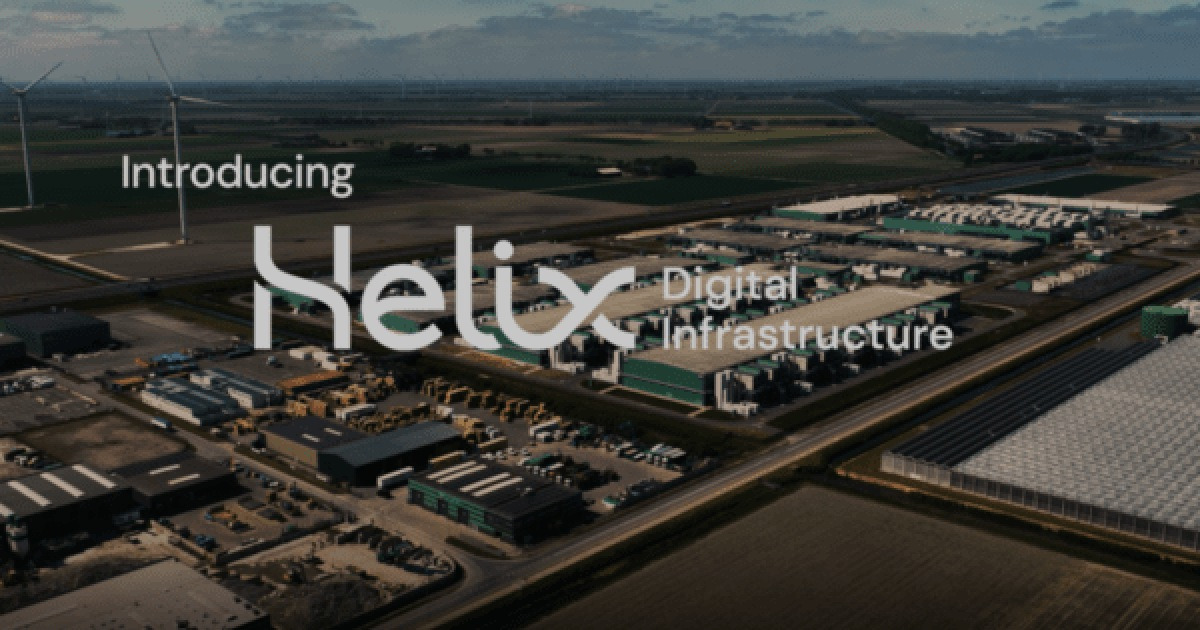
[AI Infrastructure War] KKR Launches Helix with Nvidia and Vistra - v.daum.net
v.daum.net · 2026.06.16
📰 View original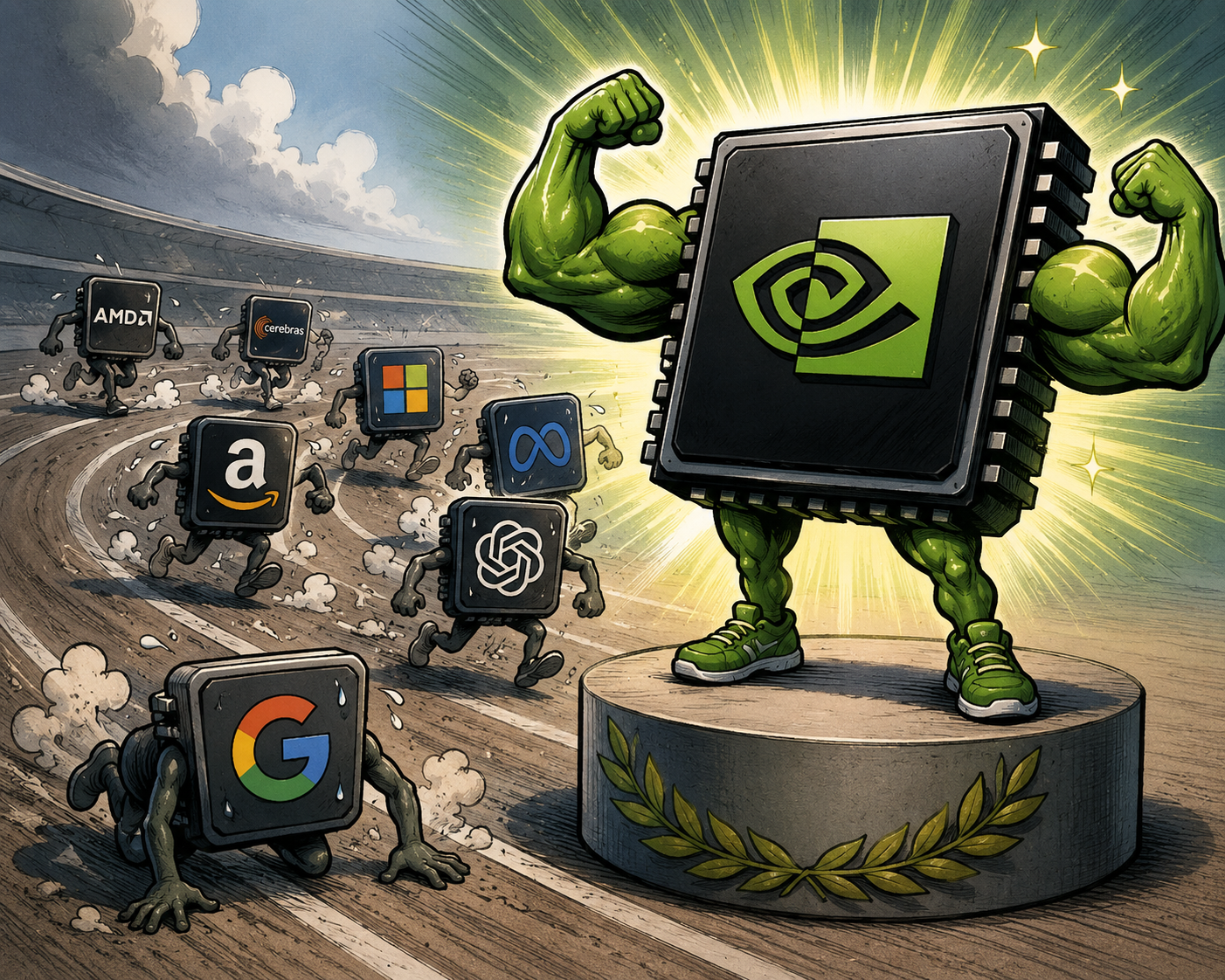
Big Tech Seeks 'Nvidia Independence,' But Nvidia Still Holds 74% of Inference Chip Market - Maeil Business Newspaper
매일경제 · 2026.06.16
📰 View original
AI Medical Record Market Grows... Nvidia Joins the Fray - Korea Economic Daily
한국경제 · 2026.06.16
📰 View original
Anapass Completes Compatibility Verification for Nvidia's Next-Gen AI PC Platform 'N1X' - v.daum.net
v.daum.net · 2026.06.16
📰 View original
Comments 0
to comment Login