
Acorn
September 15, 2026
🔗 LG Electronics Broadens Its Business Gears Through Heat Pumps, Robots, and Subscriptions - 2026.09.15
Hi, it’s Dotori. The key change at LG Electronics today is not a single product, but the gradual expansion of a business structure linking energy, home appliances, and robots in residential spaces. News came out on the same day that the company is demonstrating heat pumps in an actual residential apartment complex in Jeju and participating as a demand company for humanoid robots in a domestic artificial intelligence semiconductor project. When home-appliance subscriptions are included, the picture shows connections extending beyond traditional product sales. But being connected does not mean earnings will immediately follow. Gears have to mesh to turn. ⚙️
🔗 Priority 1: Jeju Heat Pumps, a Field Test for Space Solutions
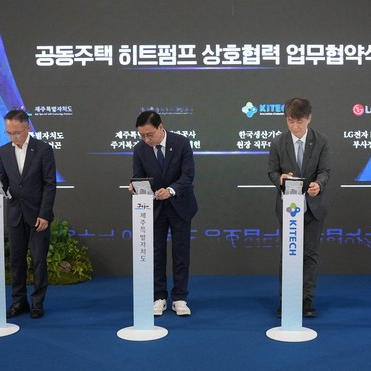
LG Electronics is reportedly installing heat pumps in an apartment complex where residents actually live in Jeju to demonstrate a Korean-style electrification model for multifamily housing [1]. A separate report said the company unveiled a Korean-style heat pump for the first time with the goal of creating an “apartment without boilers,” describing it as part of new-product trends related to expanding its heat-pump and air-solution businesses [2].
Let’s start with the bigger picture. This is not merely about selling one more air conditioner; it reflects a trend toward treating an apartment’s heating and cooling system as a single spatial unit. In particular, testing the technology in an actually occupied residential space can be read as a stage for identifying the gap between introducing the technology and applying it in the field. However, these materials alone do not allow us to determine the scale of commercialization or its earnings contribution. The key question is which types of housing and regions will follow the demonstration.
🏭 Priority 2: Where Domestic Artificial Intelligence Semiconductors Meet Robots
The government’s K-On-Device artificial intelligence semiconductor project targets automobiles, robots, home appliances, and defense, while LG Electronics is participating as the leading demand company in the humanoid robot sector [3].
Structurally, this is not just a story about the companies making semiconductors. A stage for testing the technology emerges only when demand companies that can use it in actual products and robots join in. LG Electronics’ designation as a demand company in humanoid robots can be seen as highlighting the application-side role in this value chain. However, the materials do not provide an application product, timeline, or business results. So at this stage, what has been confirmed is only the connection of “participation.” Going one step further, the next variable will be which robot products it leads to and in what way.
📚 Priority 3: Home-Appliance Subscriptions, Competition in Services After the Sale
LG Electronics and Samsung Electronics are expanding home-appliance subscriptions in response to consumers postponing refrigerator, washing-machine, and television replacements because of high prices. The approach was introduced as a way to reduce the burden of purchasing by offering electricity-bill and repair-cost reduction services after product sales, while responding to premium competition from Chinese companies [4].
What matters here is the move away from a structure that ends after a product is sold once. Subscriptions can transform a market that compares only product prices into one that considers electricity, repairs, and management services together. However, this article alone does not allow us to calculate the subscription business’s profitability or subscriber base. The key is how widely the service is actually chosen and how much consumers feel the cost-saving effect. The era of paying a monthly fee for a refrigerator is here—home appliances are basically clocking in for work now.
🔍 The Bigger Picture and Remaining Variables
If we organize these materials through the framework of differentiated value-chain beneficiaries, Priority 1 is heat pumps and air solutions directly targeting heating and cooling in multifamily housing, Priority 2 is the robot application area where domestic artificial intelligence semiconductors will be applied, and Priority 3 is home-appliance subscriptions expanding services after sales. Dotori sees LG Electronics’ new direction in a connected structure that runs from “space solutions” to “robot applications” to “services,” rather than in a single new product.
However, the three business pillars are at different stages. Heat pumps have been confirmed through a demonstration in Jeju multifamily housing, robots through participation in a government project, and subscriptions through a consumer-response strategy. Rather than grouping them together as one growth story, we need to examine separately how field demonstrations, applied products, and service usage scale actually develop. Ultimately, there is one question left. When will the materials show these connections becoming repeatable revenue structures for each business?
📰 Reference News (4)
“Replacing Boilers”… LG Electronics Demonstrates Heat Pumps at a Jeju Apartment Complex
네이버뉴스 · 2026.09.15
📰 View original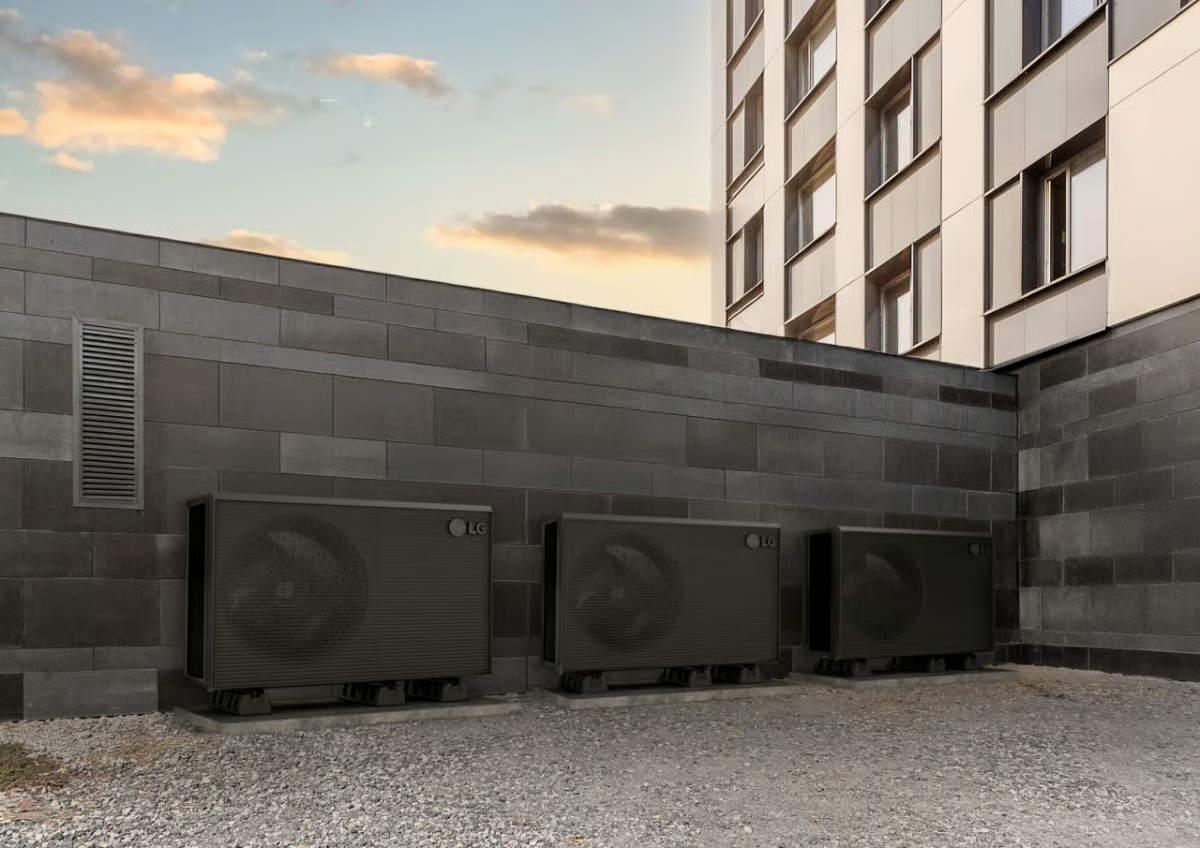
“We’ll Create Apartments Without Boilers”… LG Electronics Unveils Its ‘Korean-Style Heat Pump’ for the First Time - MoneyToday - MoneyToday
머니투데이 · 2026.09.15
📰 View original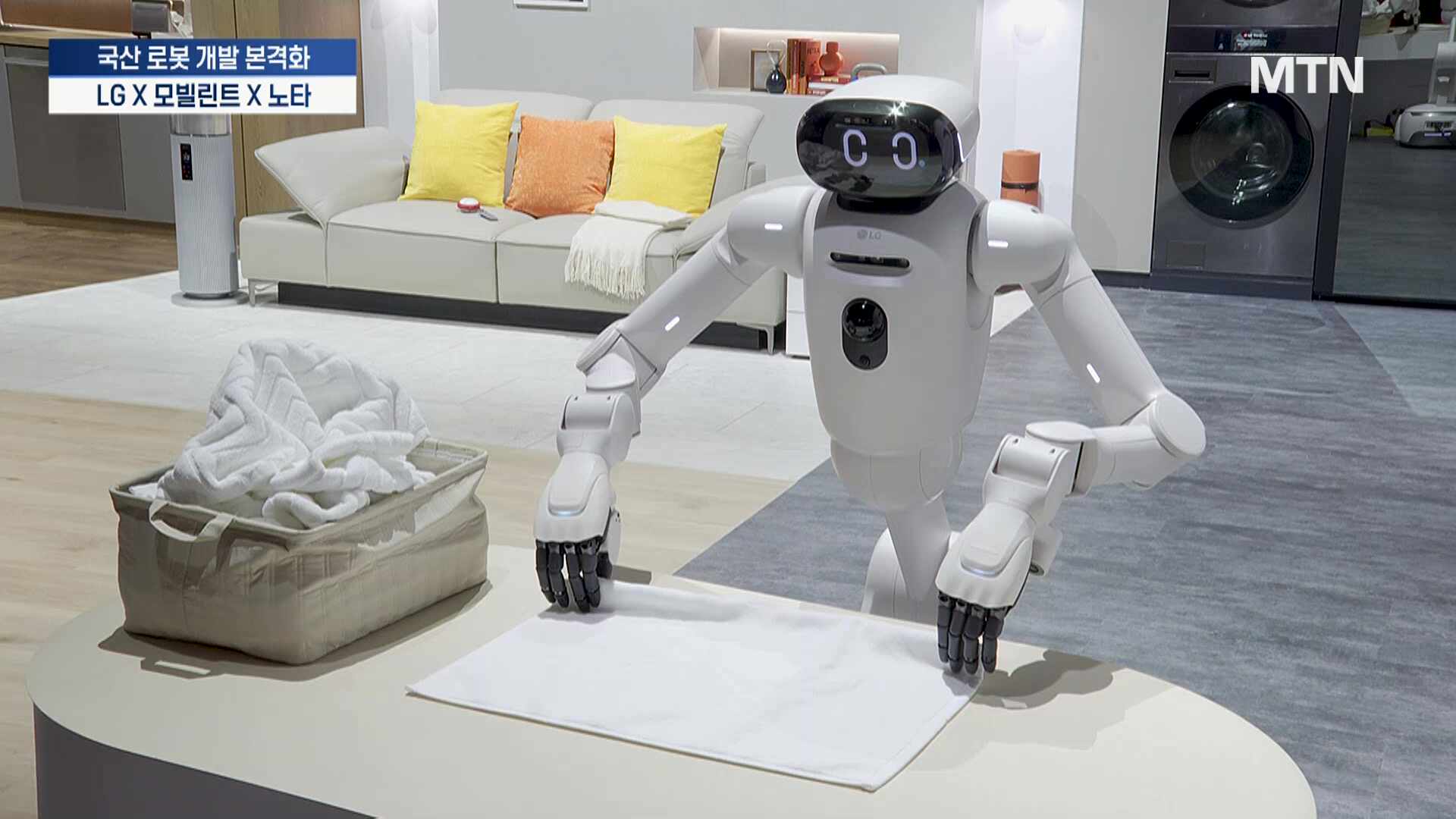
Domestic NPU Joining Hands with Large Companies and Startups… A Test of Competitiveness [AI G3 Big Bang ⑧]
네이버뉴스 · 2026.09.15
📰 View original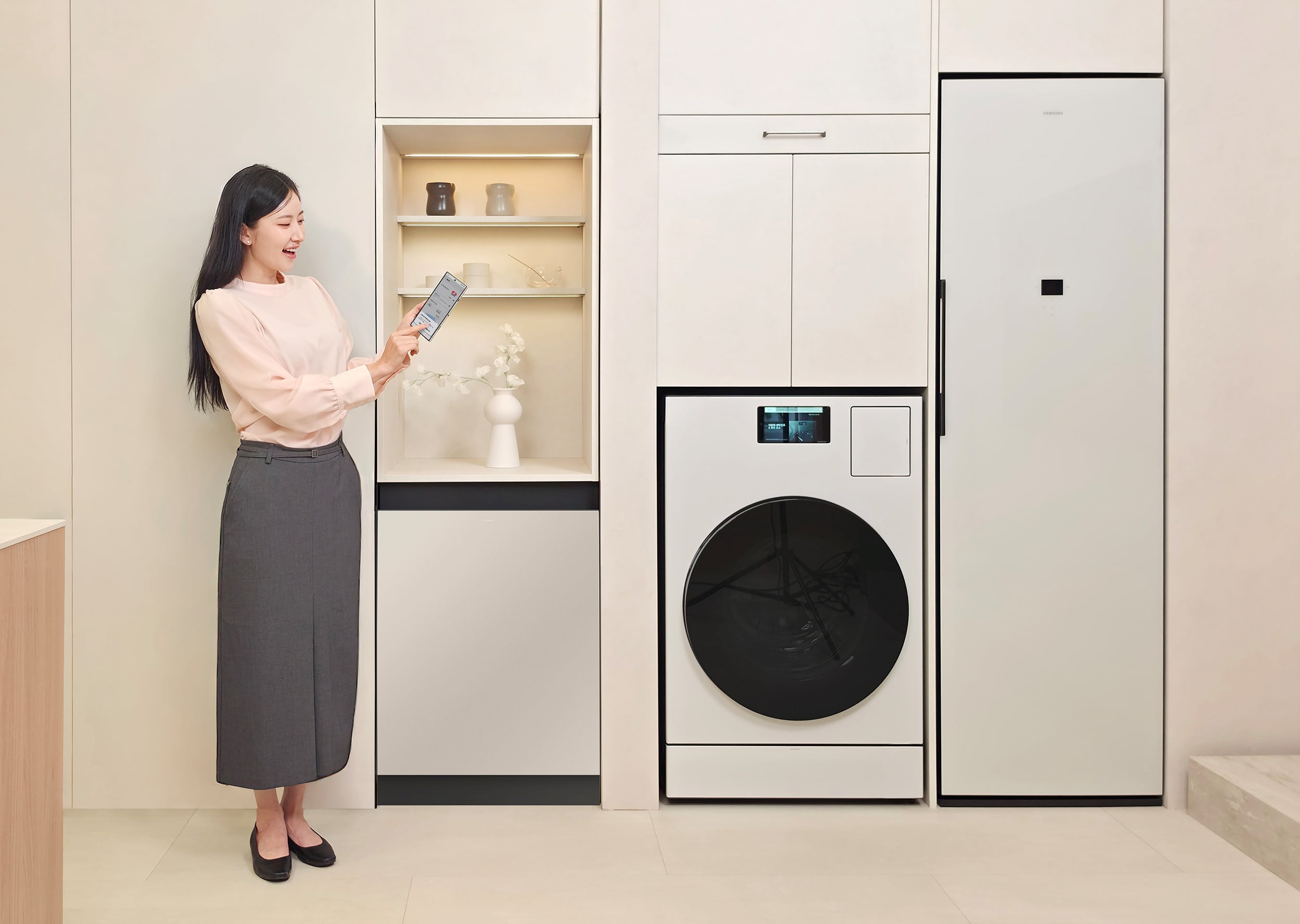
Expanding Home-Appliance Subscriptions to Lower the Purchase Barrier and Offer Electricity-Bill and Repair-Cost Savings Services
네이버뉴스 · 2026.09.15
📰 View original
Comments 0
to comment Login