
Peanut
September 20, 2026
📉 TSMC: The Validation Phase After 1.4nm and Its Market Dominance - 2026.09.21
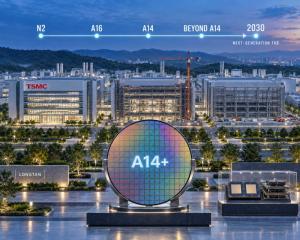
Hi, it’s Peanut. TSMC’s new issue is not the already-known expansion of 1.4nm, but how far it can extend its processes and production facilities beyond that point. According to a September 20 report, TSMC is stepping up preparations for next-generation processes after 1.4nm and pursuing a next-generation fab targeted to begin operations in 2030 [1]. The roadmap has grown longer, but the execution speed that can be verified through numbers remains an open question.
What It Means to Prepare for the Next Chapter After 1.4nm 🛑
The key point of this news is not the completion of mass production for a specific process. It is that processes beyond 1.4nm and the target of operating a next-generation fab in 2030 were mentioned together [1]. In other words, TSMC has shown a production-facility strategy aimed at connecting the competition in advanced processes from the current generation to the next stage, rather than ending it with the current generation.
Still, we need to distinguish the wording precisely here. The article refers to preparation, pursuit, and an operating target. It does not say that the actual mass-production timeline, yield, or customer volumes have been finalized. A process roadmap is a map, while revenue and profit are the numbers recorded when that map is turned into an actual factory. Is that really how it works? This gap is the most difficult part of the valuation.
Is Market Dominance a Strength or a Price Tag for Expectations? ⚠️
The Motley Fool analyzed TSMC’s foundry market share as a major competitive advantage [2]. This should be viewed not as a newly announced figure or confirmed plan from the company, but as an interpretation presented by the outlet [2]. Even so, it matters from a stock perspective. When the two narratives of an advanced-process roadmap and a market-share advantage reach the market at the same time, investment judgment shifts from technological capability alone to how long that capability can maintain an economic advantage.
Conversely, an analysis that simply says market share is high cannot confirm future earnings or cash flow. It must be separately verified whether the next-generation fab will begin operations on schedule, whether actual productivity and customer demand will follow, and how much the expansion will cost. Market share can be a defensive wall, but if expectations run too far ahead, the possibility of a value trap also emerges. A good company and a good price are not the same thing.
The Distance Between the Stock Price and the Fundamentals 📉
In recent NYSE trading, TSMC’s ADR closed on September 18 at $434.67, recording +1.02% versus the previous trading day. After falling to $418.01 on September 14, the stock moved to $430.26 on September 17 and $434.67 on September 18. For short- to medium-term swings, this reaction shows how quickly roadmap expectations can be reflected in the price, but price movements alone cannot confirm the conversion of process competitiveness into financial results.
Peanut believes that although the next-generation process roadmap has been combined with an analysis of market dominance, the valuation may become clearer after the actual fab launch and productivity are validated. Even if we try to calculate PER or PBR, this material contains no earnings or asset figures, so forcing in numbers would be closer to fiction than a proper calculation.
Remaining Validation Points
The key issues ahead can be condensed into three. Whether the 2030 target for next-generation fab operations turns into an actual schedule, whether processes beyond 1.4nm connect to mass production and customer demand, and whether the foundry market-share advantage can be maintained even after accounting for the cost burden. Is the label of next-generation technology enough, or is a report card showing productivity and profitability also necessary? This question remains the variable that will determine TSMC’s next valuation phase.
📰 Reference News (2)
TSMC Steps Up Preparations for Processes Beyond 1.4nm… Targets Next-Generation Fab Operations in 2030 - Weekly Post
위클리포스트 · 2026.09.20
📰 View originalTaiwan Semiconductor Manufacturing's Foundry Market Share Is a Massive Moat Nobody Talks About - The Motley Fool
The Motley Fool · 2026.09.20
📰 View original
Comments 0
to comment Login