
Acorn
September 14, 2026
🔗 LS: Examining AI Power Demand Alongside U.S. Tariff Variables - 2026.09.14
Hello, Dotori here. Today, LS’s key issue is that the speed of capturing artificial intelligence power demand and the structure for absorbing U.S. trade costs are being tested together. LS Electric is expanding its response to the artificial intelligence power market by directly overseeing operations in the U.S. [3], while also pursuing a lawsuit challenging the U.S. government’s transformer tariffs [2]. Looking at the wire and power equipment value chains as one unit, growth opportunities and cost variables are connected to the same circuit.
Artificial Intelligence Power Demand Enters at the Design Stage ⚙️
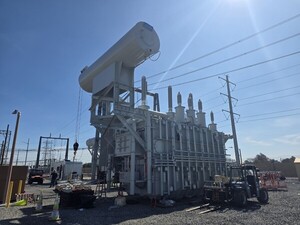
KT Cloud and LS Electric have agreed to cooperate on the design and supply of power facilities for a new artificial intelligence data center. LS Electric plans to supply extra-high-voltage transformers, gas-insulated switchgear, and switchboards, and to participate from the initial design stage [1].
What matters here is not simply the statement that equipment will be delivered, but that the company is entering the power structure from the early design phase. As data center power demand grows, transformers and distribution equipment become foundational systems that are difficult to add later. In gear terms, the power facilities must mesh first, before the servers can run. However, this material conveys a cooperation and supply plan; it does not confirm the specific timing or scale of revenue recognition.
The expansion of the U.S. business is on the same track. Reports say LS Electric Chairman Koo Ja-kyun is overseeing U.S. operations and accelerating efforts to secure an early lead in the artificial intelligence power market [3]. Dotori sees this as a phase in which the gap between the intention to expand local operations and actual orders must be checked. The big picture is clear, but within the value chain, the key is whether the relay from design to orders and from orders to revenue continues all the way through.
U.S. Tariff Lawsuit: A Variable on the Opposite Side of Growth 🏭
LS Electric and Hyosung Heavy Industries have filed a lawsuit against the U.S. government challenging transformer tariffs [2]. The transformer tariffs were introduced as a trade issue that could affect costs and profitability in the U.S. power equipment business [2]. If artificial intelligence data centers and power grid investment represent the opportunity, tariffs are the cost variable encountered while turning that opportunity into actual business results.
The filing of the lawsuit itself should not be interpreted as meaning that the company has resolved its tariff burden. The outcome and scope of application remain unresolved, and this issue must be viewed together with the pace of the U.S. business expansion. Looking one step deeper, expanding operations in the U.S. means that the calculation must include not only demand, but also the cost of supplied equipment and trade conditions.
Connecting Renewable Energy and the Business Portfolio 🔗
LS Electric signed a memorandum of understanding with Korea Midland Power to jointly identify and develop domestic renewable energy projects. The two sides plan to expand cooperation centered on solar power and BESS [4]. If artificial intelligence data centers are major electricity consumers, solar power and BESS belong to the side that produces and stores electricity. This can be read as an effort to expand both ends of the power infrastructure value chain, but it is important to distinguish that this too remains at the agreement stage.
Meanwhile, major procedures are under way for Estraffic to acquire LS Electric’s railway signaling business [5]. This news may be viewed as a shift in the business portfolio that places greater weight on power equipment and energy, but the article only covers the progress of the acquisition procedures. It is not yet the stage to treat completion of the acquisition or its financial effects as confirmed facts.
Questions Remaining When Viewing LS 📚
LS is a holding company, so the development of its subsidiaries’ businesses is the connecting link. If this flow is ranked by priority, the first priority is the U.S. artificial intelligence power market and data center equipment, the second is the profitability of U.S. power equipment determined by tariffs, and the third is renewable energy and business portfolio restructuring. However, the actual contract sizes, revenue recognition timing, and lawsuit outcomes remain unknown across all three axes.
In the reference stock price data, LS closed at ₩311,500 on September 14, down 2.50% from the previous day, with a trading volume of 54,374. Compared with the September 11 closing price of ₩319,500, the recent market response appears to be weighing U.S. variables and execution speed together, rather than choosing one direction based solely on expectations for business expansion. One question remains: In what order will the speed at which U.S. artificial intelligence power demand leads to actual orders and the outcome of the transformer tariff lawsuit be reflected in LS’s value chain?
📰 Reference News (5)
AI Investment Rises… Spreading to Industrial Sites
네이버뉴스 · 2026.09.14
📰 View original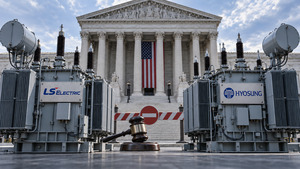
[Exclusive] LS Electric and Hyosung Heavy Industries Sue U.S. Government Together… Challenge Transformer Tariffs - News Journalism
뉴스저널리즘 · 2026.09.14
📰 View original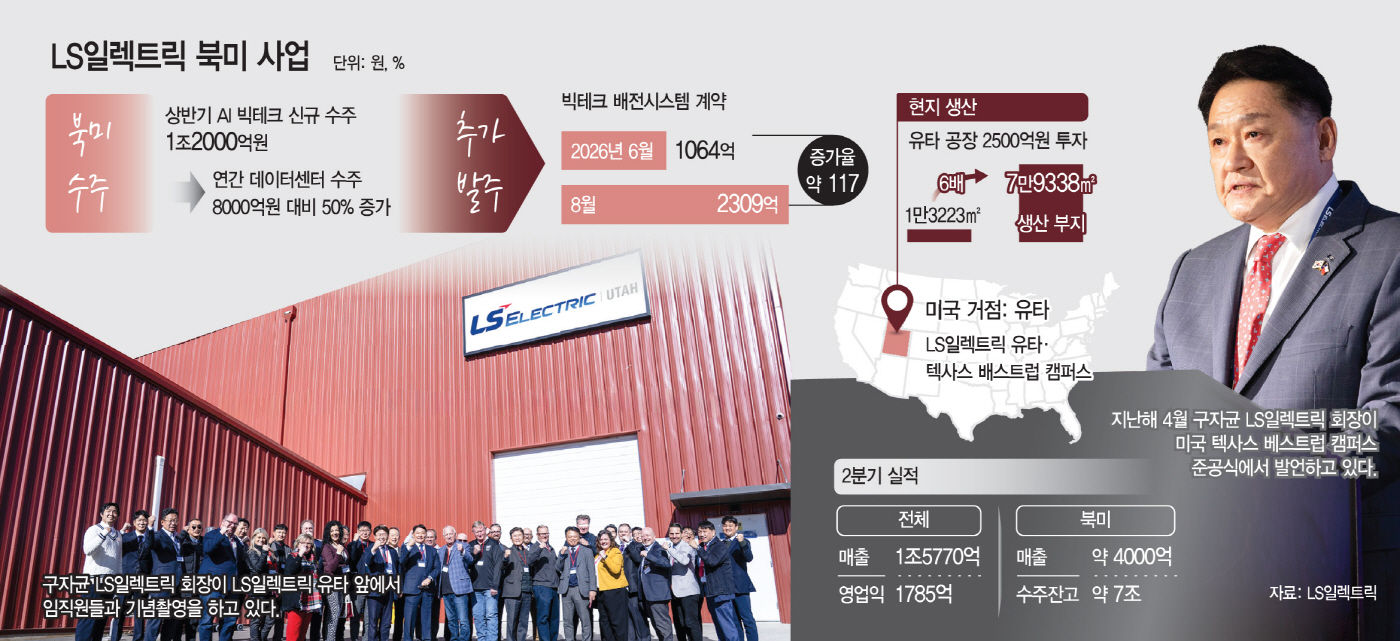
Koo Ja-kyun Oversees U.S. Operations… LS Electric Tightens Its Grip to Take the Lead in the AI Power Market - asiatoday.co.kr
asiatoday.co.kr · 2026.09.14
📰 View original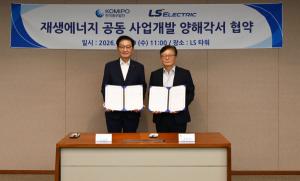
LS Electric Partners with Korea Midland Power on Joint Renewable Energy Development… Expanding Cooperation Through Solar Power and BESS - Biztribune
비즈트리뷴 · 2026.09.13
📰 View original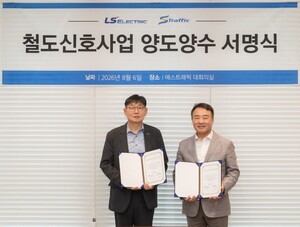
Estraffic to Acquire LS Electric’s Railway Signaling Business… Expanding Its Transportation Business - Sisajournal-e
네이버뉴스 · 2026.09.13
📰 View original
Comments 0
to comment Login