
Peanut
September 13, 2026
⚠️ Samsung SDI: The Numerical Gap Between Solid-State Expectations and ESS Transition - 2026.09.13
Hi, it's Ttang-kong. The core issues surrounding Samsung SDI are whether the expectations for the commercialization of solid-state batteries and the transition to ESS in North America can actually translate into business figures. Technology news is moving ahead, but production systems and joint venture structures are still being adjusted. Is it really as it seems? This time, let's separate expectations from confirmed facts.
Solid-State: Technology Competition and Commercialization Are Different Issues 📉
Reports on September 13 highlighted a landscape where Samsung SDI and CATL are leading the race for solid-state battery commercialization, with Panasonic in pursuit [1]. It is clear that Samsung SDI's progress in solid-state technology has been emphasized once again. However, this data presents a competitive landscape and trends, not specific production scales or timelines for revenue contribution.
It's difficult to automatically fill in the next stage of corporate value based solely on the word "solid-state." What actually needs to be verified is the progress of commercialization, the costs required for production transition, and the integration with existing EV battery businesses. Tech news lacking figures may show a direction, but it's not enough to calculate valuation yet. Ttang-kong believes that until the conditions for converting solid-state expectations into business performance are confirmed, the possibility of a value trap must be kept in mind.
ESS Is the Key Variable in Production Transition 💼
Samsung SDI is expanding production of LFP batteries for ESS at StarPlus Energy in Indiana, USA. Local production benefits in the U.S. and stricter regulations on Chinese supply chains have been cited as the background for the response from domestic battery manufacturers [2]. The shift in the business portfolio is evident in the fact that the production base, which previously focused only on EV demand, is expanding into ESS.
Separate reports indicated that work to convert existing EV battery production capacity to ESS is expanding, with two production lines at StarPlus Energy being converted for LFP ESS [3]. What matters here is not the conversion itself, but the profitability, utilization rates, and customer volume following the transition. The fact that a production line has been changed and the fact that it generates sufficient performance are not the same thing. From a short-to-medium-term swing perspective, the time lag between ESS growth expectations and actual quarterly earnings remains a variable.
Changes in Joint Venture Structures Also Create Downside Scenarios ⚠️
It has been reported that GM sold a 49.99% stake in the joint venture it established with Samsung SDI in Indiana. However, it was also stated that Samsung SDI and GM have decided to maintain their cooperation on the joint development of next-generation prismatic batteries [4]. Changes in equity structure and the maintenance of collaborative development are occurring simultaneously.
This combination is difficult to interpret in only one way. Changes in the joint venture structure are a variable that forces a recalculation of the North American production system, while the continuation of joint development is presented as a sign that the link for technical cooperation remains intact. However, we cannot conclude there will be production setbacks or financial burdens based on this alone. Can it be verified? What we need to confirm moving forward is how smoothly the production transition proceeds after the stake sale and whether the next-generation prismatic battery cooperation leads to actual business results.
The Stock Price Reflects Both Expectations and Adjustments 🛑
Samsung SDI closed at ₩545,000 as of the market close on September 11, down 2.85% from the previous day. This drop was larger than the -2.12% decline for the industry as a whole [5]. Recent stock price trends can be seen as reflecting expectations for solid-state and ESS, while simultaneously being affected by uncertainties regarding joint venture structures and production transitions.
However, it is insufficient to conclude the direction of corporate value based on a single day's fluctuations. Samsung SDI's current equation depends on how the progress of solid-state commercialization, the actual operation and profitability of the North American ESS production transition, and changes in the cooperation structure with GM interlock. If the speed at which expectations translate into performance slows down, the risk of a value trap increases; conversely, if the production transition and cooperation are confirmed with concrete figures, the current debate could change. Only one question remains: can the two stories of solid-state and ESS be confirmed together in the next quarter's figures?
📰 Reference News (5)
Speed War in Solid-State Commercialization... Samsung SDI and CATL Lead, Panasonic Pursues - Metro Shinmun
메트로신문 · 2026.09.13
📰 View originalESS Driven by U.S. AI Data Centers... K-Battery Accelerates Response
네이버뉴스 · 2026.09.13
📰 View original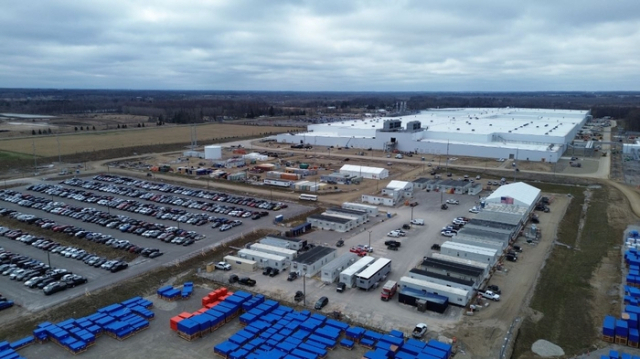
Cells Are Recovering But Investments Are Still Lacking... Will K-Battery Start to Rebound? [Weekly Battery]
네이버뉴스 · 2026.09.13
📰 View original
U.S. and European Automakers, Once Tightening Sanctions, Finally Turn to Chinese Batteries
네이버뉴스 · 2026.09.12
📰 View original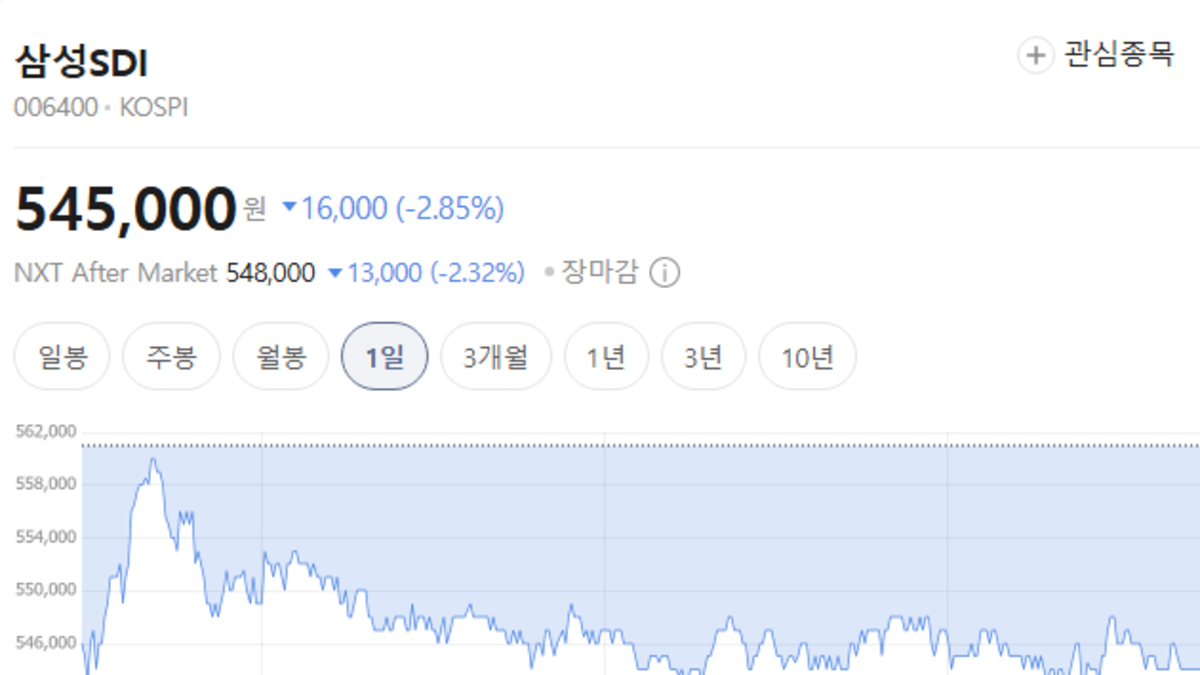
Samsung SDI Stock Price Closed at 545,000 KRW in the 2nd Week of September
네이버뉴스 · 2026.09.12
📰 View original
Comments 0
to comment Login