

Acorn
September 14, 2026
🔗 Alphabet, Analyzing the AI Chip Advantage and the Clash of Regulatory Variables - 2026.09.15
Hi, it’s Dotocorn. Alphabet Class C closed the previous day at $345.77, up 3.08%, but the bigger picture is that the arena for AI competition has expanded beyond a single day’s move to encompass chips, models, and regulation. One analysis judged that Alphabet’s AI story remains intact even after a 15% decline from its record high [3]. The stock’s one-day snapshot and the industry’s longer structural trajectory are telling different stories.
⚙️ The Chip War: Alphabet’s Position Is the Key Issue
Seeking Alpha presented the view that the semiconductor competitive landscape is becoming more favorable for Alphabet [1]. However, what is confirmed here is the direction of an external media analysis, not that the company has announced a new chip strategy or confirmed results.
Structurally, AI competition does not end with model names. The chips and computing resources that support computation, the models that run on top of them, and the connections that turn them into real services all need to mesh like gears. That is why, when looking at Alphabet, the question is not only “How intelligent is the model?” but also “What position does it occupy in the cost structure and supply chain of AI competition?” Even if the analysis that the chip war is turning in Alphabet’s favor is correct, how that connection leads to services and business results remains a separate variable.
🔗 The Antitrust Ruling Touches the Connecting Points of the Search Business
Quiver Quantitative covered various views on Alphabet stock and the antitrust ruling [2]. The specific provisions of the ruling or its consequences for the company cannot be determined from the material provided alone. Still, why this issue matters is clear. When evaluating Alphabet’s core businesses, we must look not only at competition in AI technology but also at what questions regulatory decisions raise about the business structure surrounding search and advertising.
Looking at the industry’s larger picture through the value chain, first priority is the AI chip and computing foundation, second priority is AI models and research, and third priority is service touchpoints such as search and advertising. This does not establish a ranking of stock beneficiaries; it is an interpretation that places the issues raised by the current articles within Alphabet’s connected structure. The simultaneous appearance of chip-related analysis and the antitrust ruling suggests that AI competition is less a race involving a single technology and more a relay in which infrastructure and existing revenue structures move together.
📚 AI Extends Beyond Creation Into Research
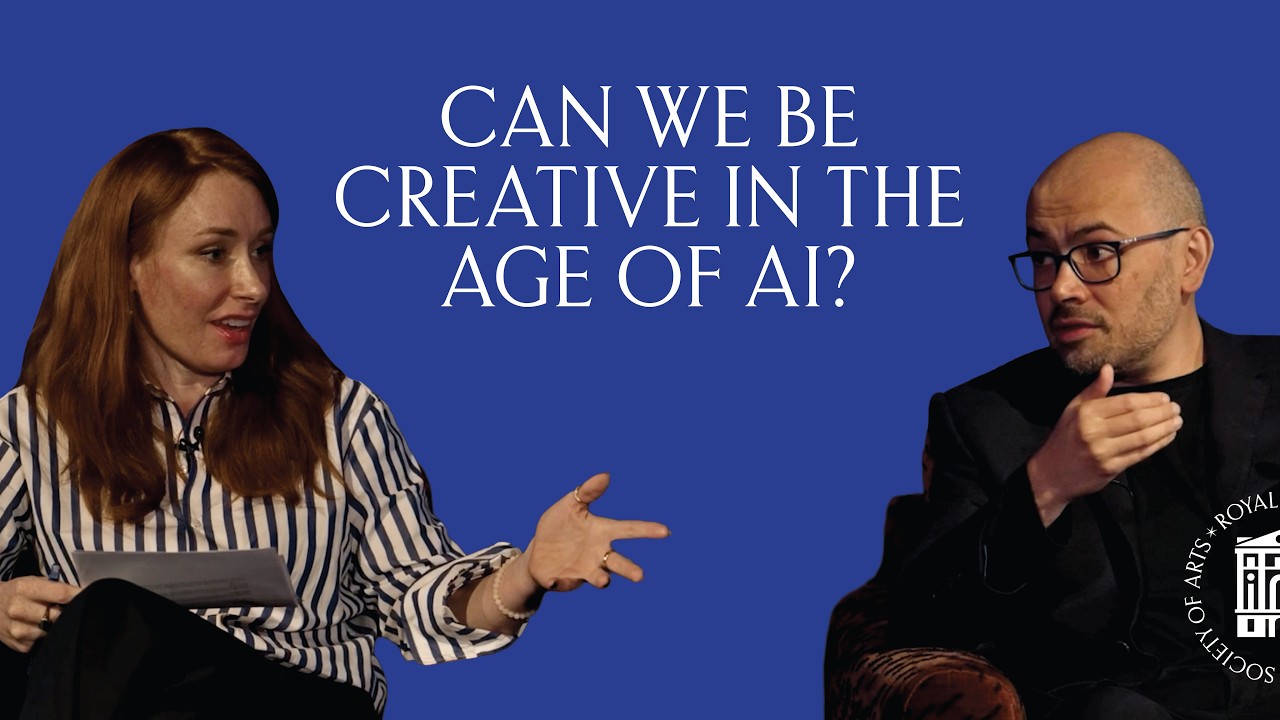
In a Royal Society of Arts video, Demis Hassabis discussed the future of AI and creativity and the direction of future development, while also introducing AI development for scientific discovery and AlphaFold activities [5]. This material does not address Alphabet’s short-term earnings or stock price, but it offers a perspective that sees AI not simply as a conversational feature, but as a tool for expanding creativity and scientific research.
Going one step further, this point makes it difficult to narrow Alphabet’s AI story to product launch schedules alone. The key questions are how research achievements will lead to real services and enterprise applications, and how efficiently foundations such as chips and cloud infrastructure will connect along the way. The financial results of that connection cannot yet be confirmed from the articles alone. If we get too ambitious here, it becomes fiction rather than analysis.
🧭 The Question That Matters More Than the 2027 Comparison
The Globe and Mail examined whether Alphabet could overtake Nvidia in 2027 [4], and this topic shows the market’s interest in evaluating Alphabet as a competitor in the AI industry beyond its identity as a search and advertising company. However, the question in the title is an analysis examining a possibility, not a confirmed outcome or company plan.
Dotocorn believes Alphabet should be understood not through a win-or-loss framing in the AI competition, but as a structure in which chips, research, and regulation are interconnected. The remaining variables are whether external assessments of the semiconductor competitive landscape will lead to actual business connections, what conditions the antitrust ruling will leave for the existing service structure, and what products and revenue streams AI research will produce beyond creativity and science. Ultimately, everything comes down to one question: Can Alphabet’s AI strengths move beyond a technology story and be confirmed through business performance across the entire value chain?
📰 Reference News (4)
Alphabet: Chips War Is Now In Its Favor - Seeking Alpha
Seeking Alpha · 2026.09.11
📰 View original
Alphabet Stock (GOOG) Opinions on Antitrust Ruling - Quiver Quantitative
Quiver Quantitative · 2026.09.12
📰 View originalAlphabet’s AI Story Remains Intact Despite 15% Pullback From Record High - NAI500
NAI500 · 2026.09.14
📰 View original
Can Alphabet Overtake Nvidia in 2027? - The Globe and Mail
The Globe and Mail · 2026.09.13
📰 View original📺 Reference Videos (1)
Sir Demis Hassabis on Creativity and AI | Will AI Change How We Create? | Hannah Fry
▶Royal Society of Arts·2026.09.11
Comments 0
to comment Login