
Carrot
September 10, 2026
📊 Hyundai Motor: The Tug-of-War Between Expanding Future Technologies and a Chart Box - 2026.09.10
Hi, it’s Carrot 🥕 The key point for Hyundai Motor today isn’t simply that there is a lot of technology news, but how those technologies will lead to actual products and market competition. A demonstration project for reusing retired batteries as ESS, a review of autonomous-driving commercialization, and the IONIQ 3’s European launch all came together at once. Wow, that’s a lot of issues in one basket. Yet the chart is still quietly choosing numbers within a narrow box.
The Significance of Battery Recycling at the Demonstration Stage 📊
News emerged that Hyundai Motor and Kia are pursuing a demonstration project to reuse retired electric-vehicle batteries as ESS together with LG Energy Solution and others [2]. What has been confirmed here is only the “pursuit of a demonstration project.” There is no confirmation yet of the actual business scale, profitability, or commercialization timeline.
Still, this news matters because the business scope extends to how batteries will be reused after electric vehicles are sold. However, a demonstration project is still a validation process, so the points to watch are the application sites and operating methods. Battery news does not immediately change the numbers; the key question is whether the results can open the next chapter.
With Autonomous Driving, the Price Tag Matters More Than the Technology 🎯
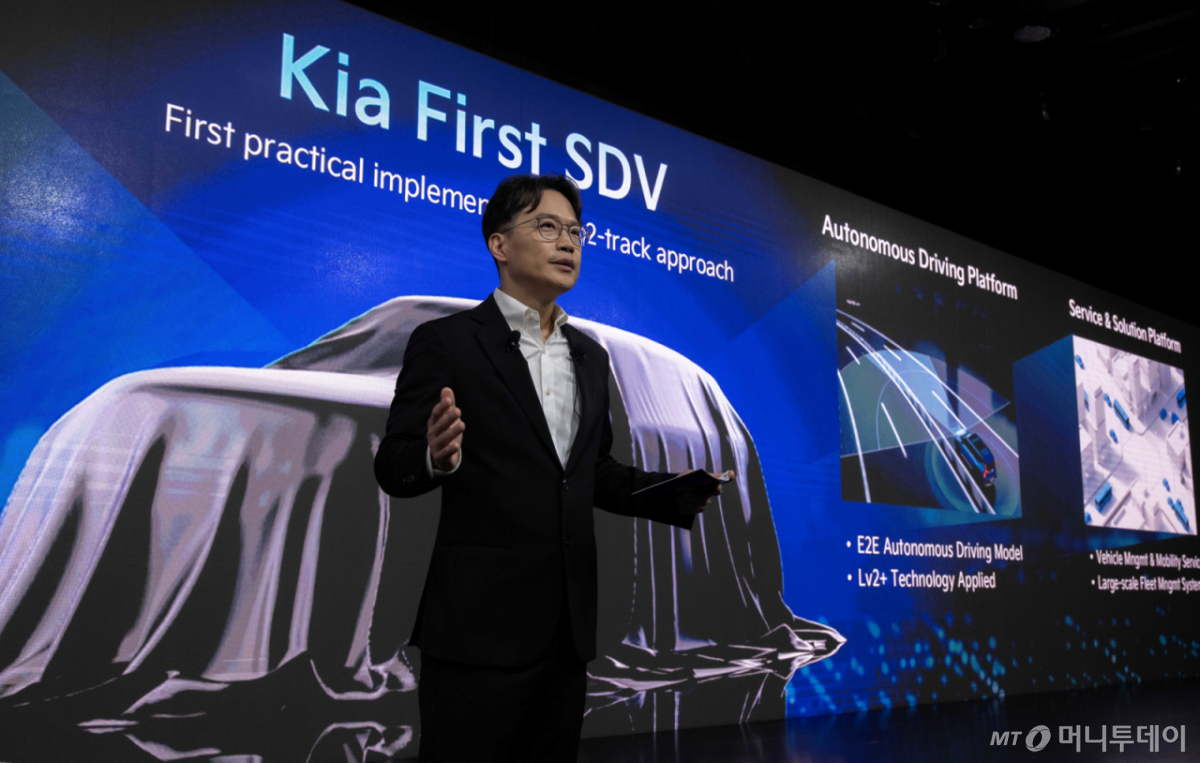
Hyundai Motor Group is reportedly operating a dedicated task force to review the cost structure, appropriate pricing, and sales methods for autonomous-driving functions [1]. It was also reported that the group mentioned the operation and sales methods for autonomous-driving functions at last month’s 2026 CEO Investor Day [1], while another source summarized its autonomous-driving technology efforts as focusing on sensor fusion and high-performance AI software [5].
The key point here is not technology development itself, but how much it can be sold for and in what format. Whether it will be built into vehicles as standard equipment or offered as a separate feature, and how to balance the gap between costs and prices, are questions that remain. Autonomous driving may face a more realistic test in its price tag than in impressive demonstration videos. Carrot believes it is more accurate to view this trend as the stage of calculating a commercialization structure rather than simply a “technology announcement.”
The IONIQ 3 and Chinese Competition Face Off in Europe ⚡
Reports said that Hyundai Motor’s IONIQ 3 is heading to the European market, with the headline presenting a key feature as price competitiveness at 8,000,000 KRW cheaper than China’s BYD [3]. It is not yet possible to confirm whether the price comparison will lead to actual sales performance, but it is true that the structure of competing with Chinese companies on price has become clearer in the European EV market.
There is also a variable on the other side. Although Hyundai Motor Group showed growth above the global market average, its ranking fell amid the offensive from Chinese companies, and a competitive strategy that protects both sales volume and profitability was presented as a challenge [4]. The growth rate looks great on its own, but once ranking and profitability are considered together, the calculation becomes complicated. Seriously, the key is whether the IONIQ 3’s price competitiveness can protect not only sales volume but also profitability.
The Chart and Supply-Demand Picture Are Still Under Review 💡
Looking at the recent stock-price trend for reference, Hyundai Motor’s closing price on September 10 was ₩389,500, the change was +0.39%, and trading volume was 387,790. The high-low range for business days shown in the recent table runs from ₩376,000 to ₩395,000, so broadly speaking, this is a period for reading movements within this box. ₩395,000 can be viewed as resistance at the recent high, while ₩376,000 can be viewed as a candidate support level at the recent low, but support and resistance lines are observational benchmarks, not confirmed figures.
There was also a report that combined net buying by foreign investors and institutions brought in 68,000,000,000 KRW [6]. However, this figure alone cannot show whether the buying flow will continue or whether the stock-price direction has been determined. The remaining question is whether the chart and supply-demand picture point in the same direction or whether this is only a one-day signal. No all-in buying, no all-in selling—act only when support breaks. Ultimately, the next scene will likely be determined together by the autonomous-driving price tag, the European response to the IONIQ 3, the concrete development of the battery demonstration project, and whether the ₩376,000~₩395,000 box is broken.
📰 Reference News (6)
[Exclusive] “How Much and How Should Autonomous Driving Be Sold?”… Hyundai Motor Group Launches Commercialization TF
네이버뉴스 · 2026.09.10
📰 View original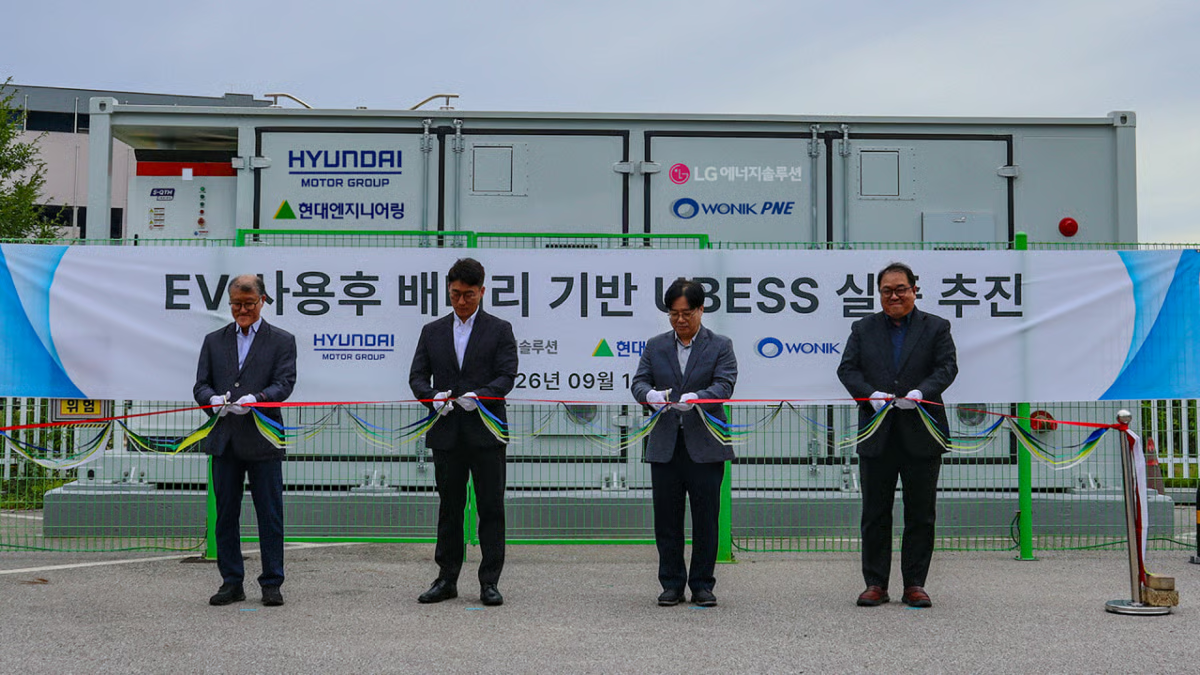
“Used EV Batteries Reborn as ESS”.. Hyundai Motor and Kia Conduct Demonstration with LG Energy Solution and Others - MoneyToday - MoneyToday
머니투데이 · 2026.09.10
📰 View original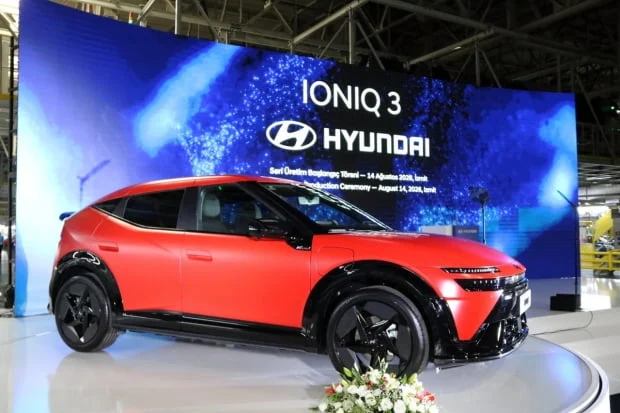
Hyundai Motor’s IONIQ 3, 8,000,000 KRW Cheaper Than China’s BYD… Launching in Europe - Korea Economic Daily
한국경제 · 2026.09.09
📰 View originalHyundai Motor Group Shows Growth Above the Global Market Rate… Ponders Competitive Strategy Amid Chinese Offensive - Global Economic
네이버뉴스 · 2026.09.10
📰 View original
Hyundai Motor Group with Sensor Fusion, 42dot, and Atria AI
네이버뉴스 · 2026.09.10
📰 View original
[In-Depth Analysis] Foreign Investors and Institutions
네이버뉴스 · 2026.09.10
📰 View original
Comments 0
to comment Login