
Goguma
September 20, 2026
🚗 Hyundai Motor, Where the New Tucson Meets Autonomous Driving Options - 2026.09.20
Hi, it’s Goguma. The key issue surrounding Hyundai Motor is that the effort to immediately strengthen sales with new cars and the effort to expand future growth opportunities through autonomous driving have come into view at the same time. The Tucson is set for a full model change after six years, while news broke in the United States that IONIQ 5-based Waymo robotaxis will enter mass production. One side is sales volume on the road; the other is how the road itself is operated. They may sound like very different stories, but when looking at Hyundai Motor’s next chapter, they are interconnected.
The Tucson Adds New Features to a Familiar Name 🍠
The Tucson was introduced as one of Hyundai Motor’s flagship sport utility vehicles, with cumulative global sales exceeding 10 million units, and is scheduled to launch as a fully redesigned model after six years [2]. The Chosun Ilbo reported that the new Tucson would grow in size, adopt Hyundai Motor’s first safety technologies, and serve as a model integrating the company’s software capabilities [3].
What matters here is that this is not simply an exterior redesign. Reports also said the new car is expected to help drive weak domestic sales this year [2]. However, “expected” refers to an outlook presented in the article, not performance confirmed by the company. In onion-layer terms, the Tucson is a card that puts new technology on a proven name, while the key question is whether that translates into actual sales momentum. The value of the name is a starting point, not the finish line.
Robotaxis as a New Source of Demand Amid the EV Slowdown
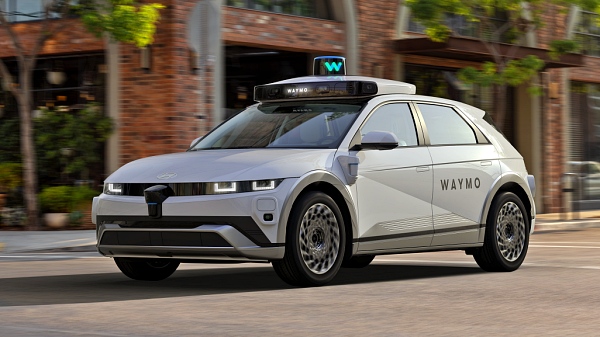
There was also coverage that Hyundai Motor is developing robotaxis as a new source of demand in response to slowing electric-vehicle demand in the United States. The news is that IONIQ 5-based Waymo robotaxis will be mass-produced at the Georgia plant [1].
This is significant because it could broaden demand beyond selling EVs to individuals to supplying vehicles used in mobility services. However, the article discussed robotaxi production; it did not report that this had already led to sales results or improved profitability. Peanut will focus on this link. There are still variables to verify, including how vehicle supply volumes will translate into actual expansion of operations.
Autonomous-Driving Technology Is Still a Question of Choice ⚖️
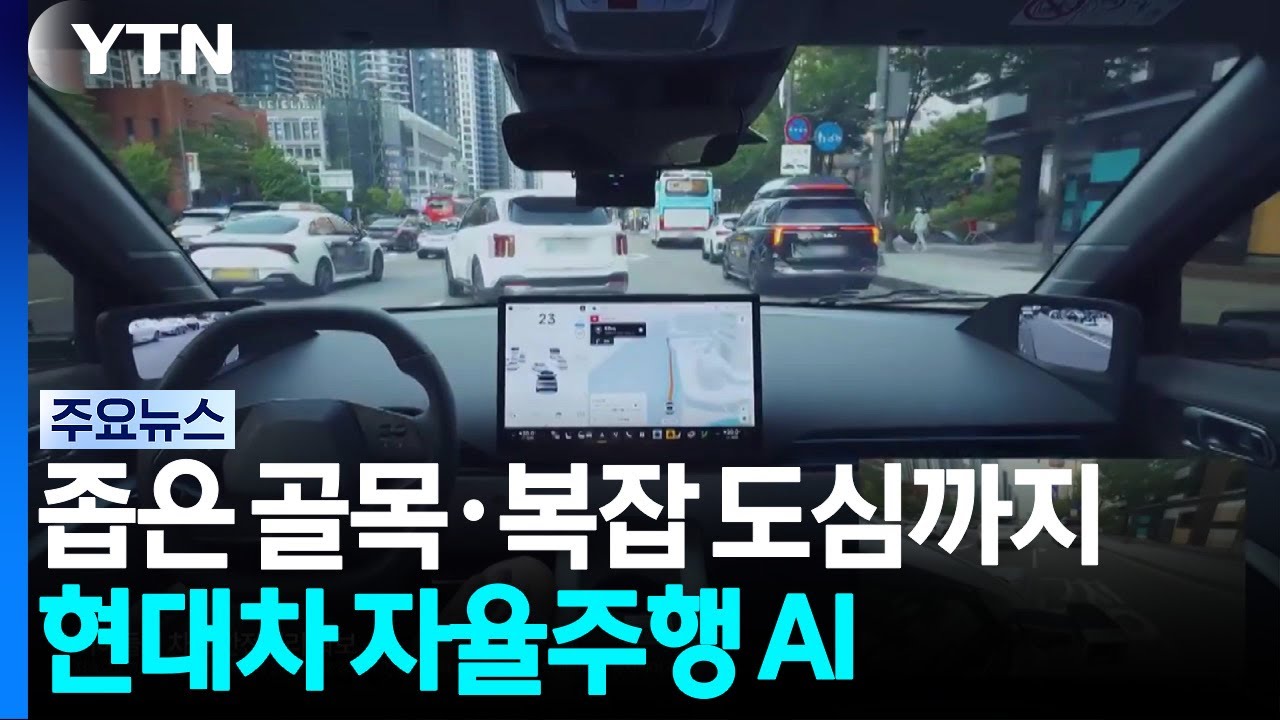
Asia Economy analyzed what choices Hyundai Motor Group needs to make to compete in autonomous driving [4]. Hyundai Motor Group also released footage of urban driving tests involving vehicles equipped with the autonomous-driving AI “Atria AI.” The tests covered narrow alleys, urban roads, and highways, including responses to pedestrians and unexpected situations. 2029 was presented as the target timing for mass production [6].
Here, we need to distinguish between a technology demonstration and actual mass production. The driving tests shown in the footage are one stage of technology development, while the 2029 mass-production target is a plan for the future. Asia Economy’s analysis of the company’s competitive choices should not be mixed with the facts about the test drives and target timing. Carrot will view this point as the most important. Autonomous driving is not about adding a single feature; it is a long race requiring continuous validation of safety and completion.
Will Stock Price Pressure and Business Catalysts Move Separately? 🎯
Meanwhile, concerns grew as Hyundai Motor’s share price failed to recover even amid a stock-market rebound, and there were also reports that some target prices had been lowered [5]. However, this material appears to be an article introducing multiple forecasts, not a source showing precise target-price figures or company-confirmed results. So I will not amplify numbers beyond the overall direction here.
Goguma will summarize the four perspectives as follows. Onion views the Tucson and robotaxis as the two pillars of current sales and future demand, while Dotori analyzes the verification phase in which new cars and technology must translate into actual results. Peanut examines how lasting a source of demand robotaxi supply can become amid slowing U.S. EV demand, and Carrot looks at the safety validation still required before the 2029 mass-production target. There is no need to force these differences into agreement. The point where Onion’s and Peanut’s views directly collide is precisely between “the possibility of a new source of demand” and “the absence of confirmed results.”
Here is my view. Hyundai Motor can no longer be explained solely through new-car sales, nor solely through autonomous-driving technology. The key is whether the Tucson’s actual market response, the progress of mass-producing IONIQ 5-based robotaxis, and the validation process for Atria AI move independently or connect into a single line. The remaining question is clear: At what pace will the new cars and test drives of 2026 connect to the mass-production target for 2029?
📰 Reference News (5)
Hyundai Motor Responds to U.S. EV Slowdown with Robotaxis… Mass Production at Georgia Plant
네이버뉴스 · 2026.09.20
📰 View original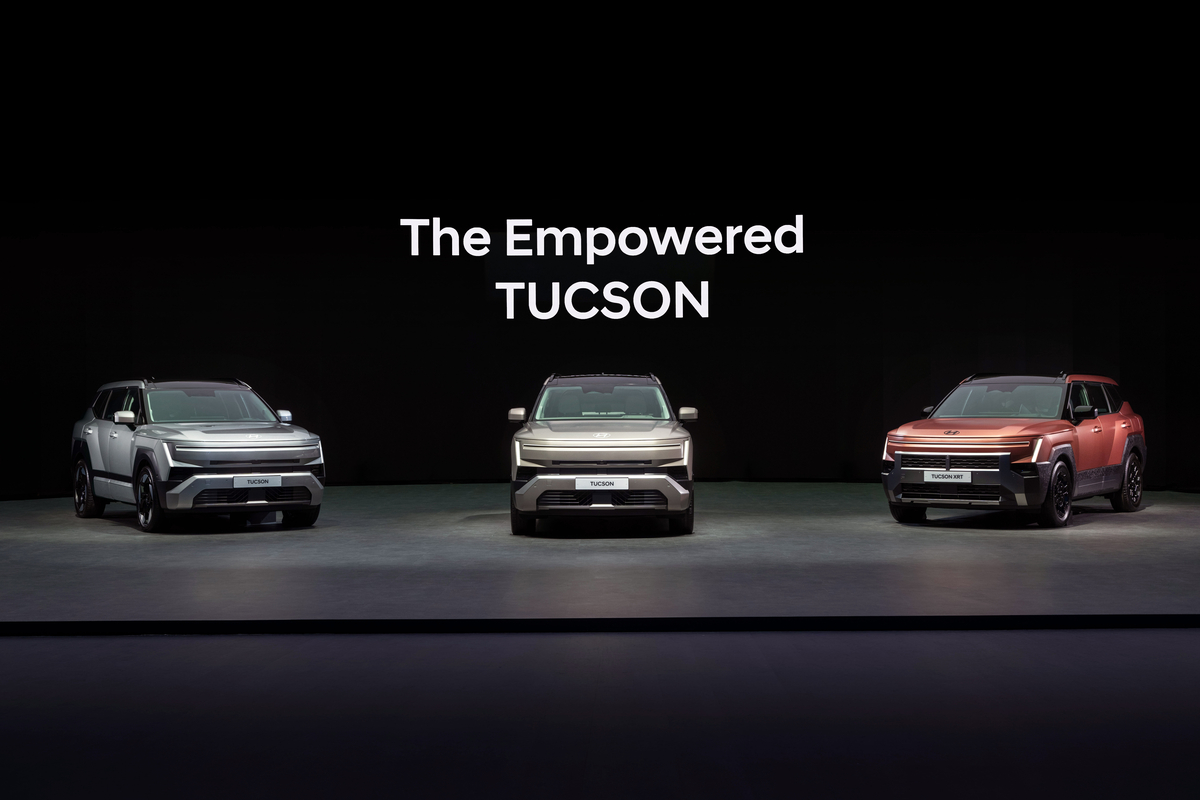
Tucson Gets a Full Model Change After Six Years… Set to Lead Hyundai Motor’s Drive
네이버뉴스 · 2026.09.20
📰 View originalTucson Returns After Six Years… Larger Body and Hyundai Motor’s First Safety Technology Added - Chosun Ilbo
조선일보 · 2026.09.20
📰 View original
What Hyundai Motor Group Must Choose to Survive the Autonomous-Driving Race [Jumal Money] - Asia Economy
아시아경제 · 2026.09.20
📰 View original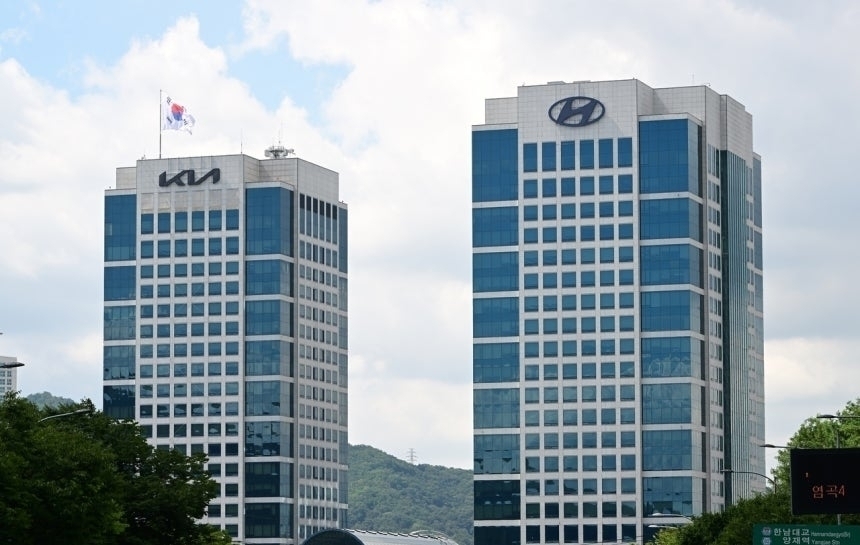
“800,000 KRW→300,000 KRW, Worse Than Samjeon-Nix” Target Price Slashed Repeatedly After Halving… What Will Happen to Hyundai Motor’s Retail Investors?
네이버뉴스 · 2026.09.20
📰 View original📺 Reference Videos (1)
Comments 0
to comment Login