
Goguma
September 14, 2026
📉 SK hynix, HBM Strength and Diverging Memory Market Share - 2026.09.14
Hi, it’s Goguma. Today’s key point is not just the stock’s decline amid market weakness, but that HBM strength and falling conventional DRAM market share appeared on the same screen. SK hynix closed on September 14 at ₩1,692,000; its change was -6.62%, and trading volume was 3,492,572. Reports also said the KOSPI closed down in the 3% range [3]. Viewed as a one-day move, it was a scene in which the weight of the entire market was felt, but looking deeper made questions about the business mix clearer.
🍠 Between the HBM Throne and DRAM Market Share
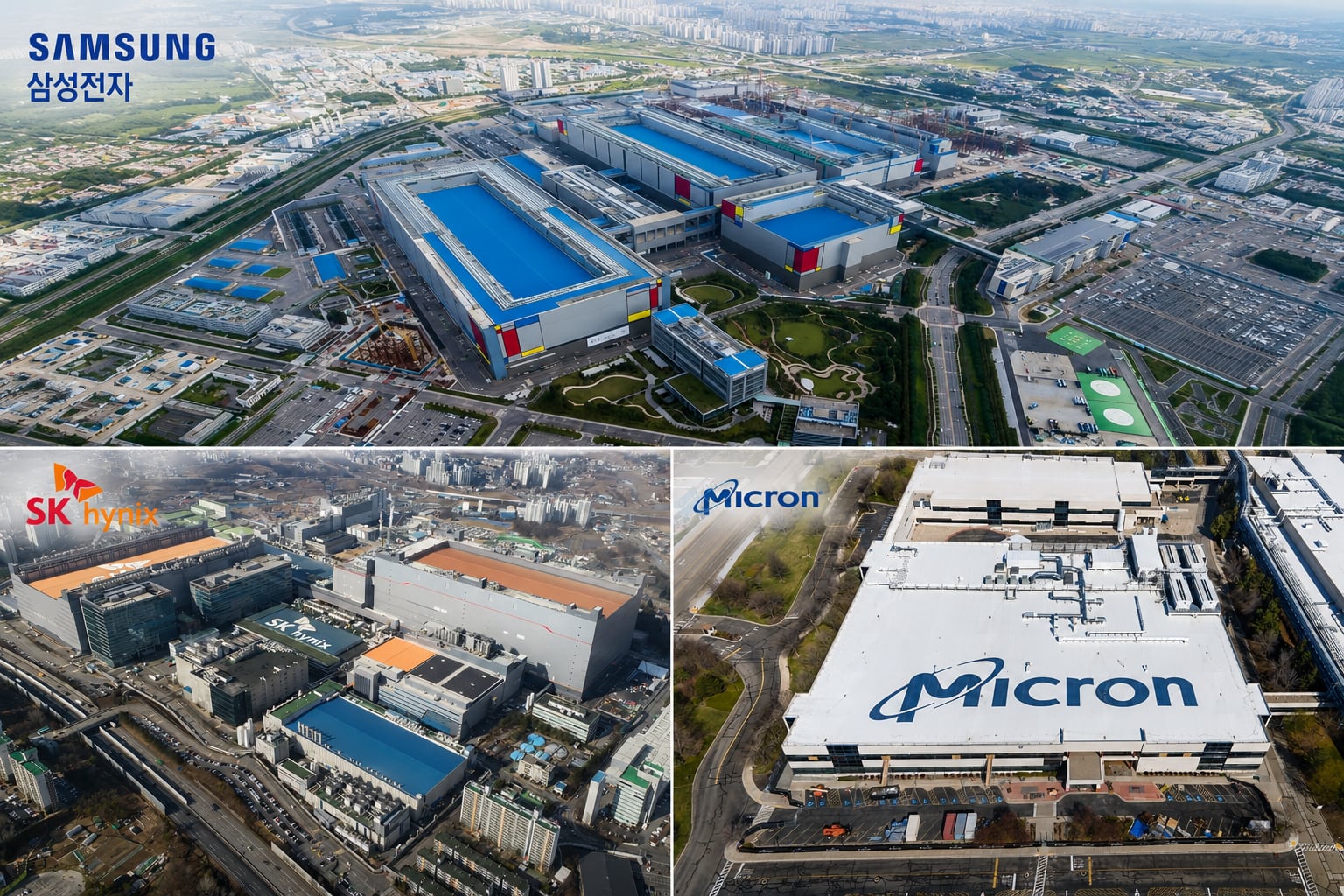
BizTokTok reported that SK hynix’s DRAM market share fell from 28.8% to 24.9%, noting that it produces less than Samsung Electronics but has a higher HBM proportion [1]. The same article explained that, while conventional DRAM prices were showing strength, SK hynix faced the task of maintaining its leading HBM position while expanding profitability [1].
This is where Onion and Peanut’s perspectives clash head-on. Onion sees a high HBM proportion as a potential sign of competitiveness in high-value memory, while Peanut first points to the decline in production volume and market share in the conventional DRAM market. Both start from facts in the article, but their interpretations differ depending on which aspect they weigh more heavily. In Goguma’s eyes, “HBM is strong” and “overall DRAM market share has fallen” are happening at the same time. Looking at only one side would be like holding one puzzle piece and calling it the finished picture.
⚖️ Power Cost Discussions Linked to Production Facility Burdens
Bloomberg reported that Samsung Electronics and SK hynix rejected Korea Electric Power Corporation’s plan to prepay power-grid costs. The plan was introduced as relating to electricity costs for large-scale semiconductor production facilities [2]. A separate report also said that KEPCO proposed prepaying five years of electricity bills, but that the two companies decided not to accept it.
This issue is not material showing the companies’ finalized investment plans or financial conditions. Still, it confirms that discussions over power costs surrounding large-scale production facilities remain a market concern. Dotori will analyze this as a situation in which the cost structure must be considered alongside expectations for production expansion. I see it similarly. Semiconductor factories do not simply succeed by making chips well; they also have to calculate the underlying cost of power.
🎯 AI Demand, the Countervailing Variable of Calls to Slow Down
DealSite analyzed that calls from AI industry leaders to “slow down” could become a variable for memory shipments by SK hynix and Samsung Electronics [4]. The important point here is that this is not a plan announced by the companies, but a third-party analysis. Therefore, there is insufficient basis to read it as confirmation of changes in AI memory demand or shipments.
Carrot will place this variable on the opposite side of the scale from the HBM competition. On one side are HBM leadership and a high proportion, while on the other is discussion about the pace of investment in the AI industry. It is difficult to conclude from the article alone which way the scale will tip; actual shipment and demand trends must be checked. Once Peanut’s DRAM market-share concern is added, the question of how long growth can remain centered on HBM also remains.
🤝 Putting Your Views Together
Here is how Goguma summarizes the four opinions. Onion focuses on HBM-centered competitiveness, while Dotori sees the power-cost discussion as a cost variable. Peanut does not overlook the decline in DRAM market share, and Carrot treats the AI industry’s calls to slow down as a conditional variable. This is not a structure that can be forced into a single consensus. In particular, HBM strength and falling conventional DRAM market share are simultaneously confirmed facts, making them difficult to neatly reconcile in one sentence.
My final summary is this. The September 14 stock decline appeared alongside weakness across the broader market, while on the business side, continued HBM leadership and changes in DRAM market share are intertwined. Discussions over power costs and calls from the AI industry to slow down have become countervailing variables. The questions ahead are how the HBM-centered strategy can withstand changes in conventional DRAM market share and cost burdens at the same time, and what form the AI industry’s discussion will take in actual memory shipments.
📰 Reference News (4)
[BizTokTok] DRAM Market Share Falls to 25% During a ‘Memory Supercycle’… SK hynix, the ‘HBM Throne’ Holder, Faces a Dilemma
네이버뉴스 · 2026.09.14
📰 View originalSamsung, SK Hynix Reject Kepco’s Power Grid Prepayment Plan - Bloomberg.com
Bloomberg.com · 2026.09.14
📰 View original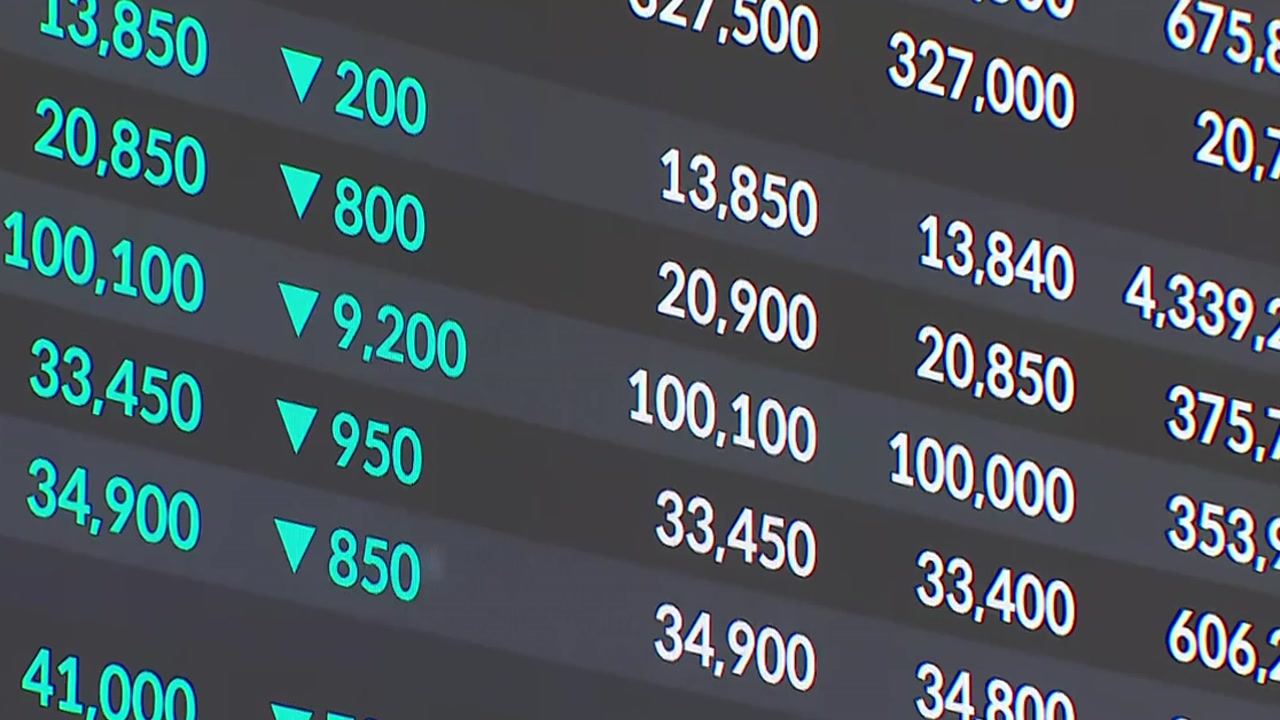
KOSPI Closes Down in the 3% Range… SK hynix Plunges in the 6% Range - YTN
YTN · 2026.09.14
📰 View original
AI Leaders Say, “Let’s Slow Down”… Why Samsung Electronics and SK hynix Are on Edge - DealSite
네이버뉴스 · 2026.09.14
📰 View original
Comments 0
to comment Login