
Goguma
August 30, 2026
🍠 Hyundai Motor, the Tug-of-War Between Expanding Electrification and Verifying Profitability - 2026.08.30
Goguma is here. The key to Hyundai Motor’s current situation is the speed at which it expands its vehicle lineup and its ability to translate that into profitability. From electric three-wheelers targeting India, Asia, and Africa to an electric SUV positioned above the IONIQ 5, the product map is expanding outward. Meanwhile, the market is weighing these moves against interest rates, dividend attractiveness, and execution plans. If you only look at one side, the picture is incomplete. 🍠
Electric Three-Wheeler, Hyundai's New Test
News has emerged that Hyundai Motor is developing an electric three-wheeler, a 'Tuk-Tuk,' targeting markets in India, Asia, and Africa [2]. While this can be read as a move to expand its footprint from traditional passenger vehicles to lighter modes of transportation, what has been confirmed so far is merely the start of development and the target market. It does not mean sales volume, profitability, or launch dates have been finalized.
Yangpa views this news as a product experiment tailored to regional mobility demand. On the other hand, Ttakong points out that the core issue is not adding another product, but how efficiently the actual production and sales system can be built. Whether electric three-wheelers will become a new growth pillar for the automotive business remains an open question. The name may be 'Tuk-Tuk,' but the numbers haven't quite 'popped' yet. 🛺
An Electric SUV Above the IONIQ 5
At the 2026 CEO Investor Day, Hyundai Motor unveiled its future product plan, including a new global D-segment electric SUV, positioning it as a model above the IONIQ 5. The integration of a Software-Defined Vehicle (SDV) platform was also mentioned [1], signaling a clear direction to fill the upper end of the electric SUV lineup.
Dotori analyzes the combination of vehicle class expansion and the SDV platform as the key point of this plan. Carrot focuses on the gap between the announcement of the plan and actual sales performance. The fact that a new car has been unveiled and the assessment that it has proven its competitiveness in the market are two different things. In particular, based only on the article, one cannot add details on pricing, sales targets, or profit contributions.
Profitability Goals and Dividend Appeal Must Be Seen Separately
Mirae Asset Securities cited Hyundai Motor's upward revision of its 2030 operating profit margin target from 8–9% to over 9% as a reason for its recommendation. The article also mentions that Hyundai plans to reduce the cost-of-sales ratio by 3 percentage points by 2030 through expanded hybrid sales and cost innovation, and aims to achieve an annual production capacity of 30,000 units by starting robot production in the U.S. in 2028 [3]. However, since this material presents both brokerage analysis and company plans, it cannot be interpreted as an immediate indicator of target achievement or stock price reaction.
Variables on the other side are also clear. Analysis suggests that the dividend appeal of Hyundai Motor’s preferred stocks has weakened as the attractiveness of safe assets like deposits has increased due to rising benchmark interest rates. Hyundai Motor’s common stock underwent a 2.08% correction between August 27 and 28. The report notes that Hyundai Motor 2nd Preferred B and Hyundai Motor Preferred also saw corrections of 4.28% and 4.99%, respectively [4]. This illustrates the pressure interest rates place on dividend-paying stocks, though one cannot conclude long-term trends from two days of movement. ⚖️
Putting Your Perspectives Together
Regarding labor-management variables, the possibility of easing group-wide labor risks has been raised as Hyundai Motor, Kia, and Hyundai Mobis reached tentative agreements on wage and collective bargaining this year [5]. However, this data is merely a possibility suggested by external analysis and cannot be used as a basis to confirm results or explain the company's intentions or financial status.
Yangpa looks at product expansion, Dotori at the electric SUV and SDV platform, Ttakong at production efficiency and cost innovation, and Carrot at interest rates and dividend appeal. The perspectives of Yangpa and Ttakong are in direct conflict. There is a lingering tension between the expectation that a strategy of increasing new products can lead to efficiency improvements and the view that execution costs and market reactions must be verified first.
Instead of forcing a consensus among the four, Goguma summarizes it this way: Hyundai Motor has played its expansion card with electric three-wheelers and a premium electric SUV, and has also presented 2030 profitability targets and robot production plans. The remaining questions are the speed at which new cars and businesses translate into actual sales and cost improvements, and how dividend appeal will be evaluated in the current interest rate environment. 🎯
📰 Reference News (5)
Hyundai Motor to Launch Electric SUV Above IONIQ 5... Equipped with SDV Platform - Global Economic
네이버뉴스 · 2026.08.30
📰 View original
Hyundai Motor to Make Electric 'Tuk-Tuk'... Targeting India, Asia, and Africa - Hankyoreh
한겨레 · 2026.08.30
📰 View original
Mirae Asset Securities Recommends 9 Stocks Including Hanwha in Last Week of August
네이버뉴스 · 2026.08.29
📰 View original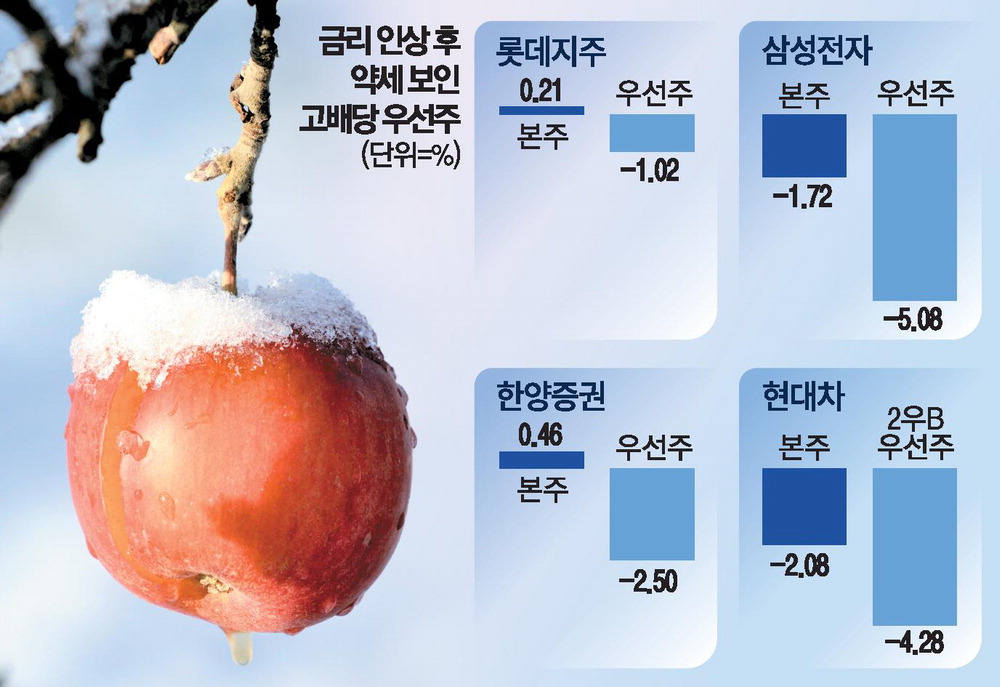
Dividend Appeal Drops Due to Interest Rate Hikes... Preferred Stocks
네이버뉴스 · 2026.08.30
📰 View originalExit from Hyundai Motor Group's Labor Risks... Moving Beyond Production Recovery to Securing Competitiveness - Global Economic
네이버뉴스 · 2026.08.30
📰 View original
Comments 0
to comment Login