
Peanut
August 2, 2026
📉 Samsung Electronics: A Phase Where HBM Expectations Face Valuation Validation - 2026.08.02
Peanut here. The key issue for Samsung Electronics is whether expectations for HBM can translate into actual earnings and valuation. The mood has heated up as AI investment and forecasts of a shift in the HBM market landscape in 2027 overlap, but optimism without numbers is hard to sustain for long. Could it really happen? 📉
Separating Expectations from Facts in the Race for HBM Leadership
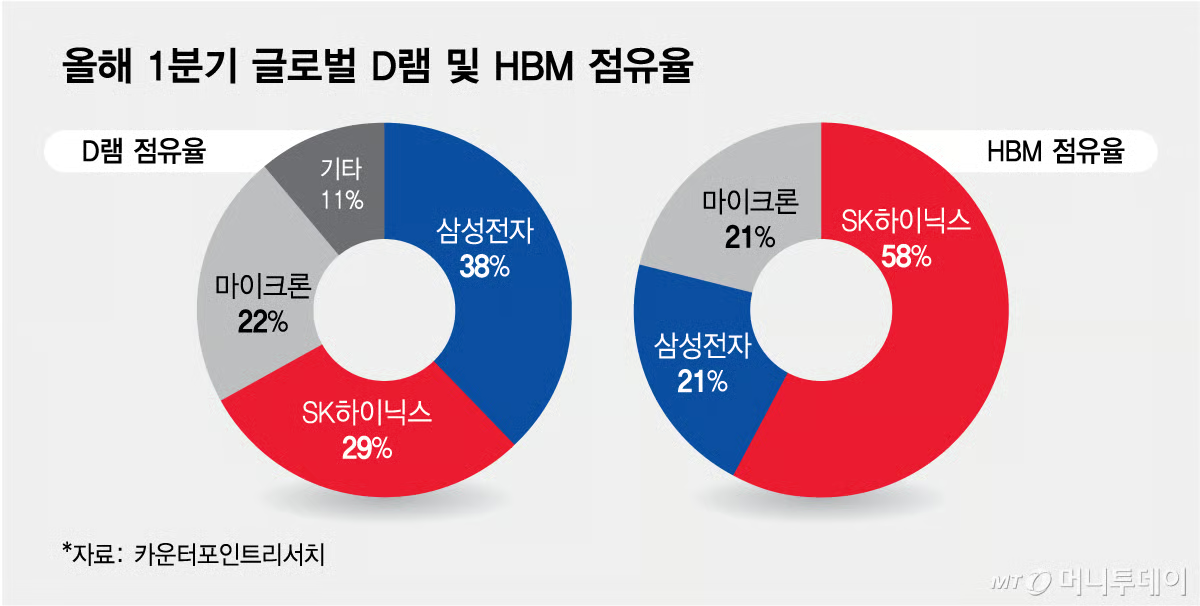
MoneyToday reported that Samsung Electronics’ massive AI investment has been confirmed and that Samsung Electronics and SK hynix are competing for HBM leadership [1]. However, this material alone cannot specify the investment scale or when it will contribute to profits. The fact that AI investment has been confirmed and how much that investment will be reflected in earnings are two different questions.
UBS presented a forecast that SK hynix could lose the No. 1 position in the 2027 HBM market to Samsung Electronics [2]. The important phrase here is not ‘will overtake’ but ‘could overtake.’ This is not a plan confirmed by the company but a conditional forecast from an investment bank, meaning variables such as supply performance and customer adoption still need to be verified. Isn’t it still too early to put away the calculator just because the name HBM is involved?
Resumed Capital Spending: An Opportunity for the Supply Chain, But
Reports said investment in Samsung Electronics’ P4 line is gaining pace and that investment to convert the Xi’an plant to V9 NAND is also entering full swing. It was also reported that this had sharply increased order backlogs for front-end equipment makers [3], confirming that Samsung Electronics’ memory-related equipment activity is affecting the supply chain.
But capital spending is not a coupon that immediately turns into profit. Investment can be recovered only when demand, prices, and utilization rates work together. Since the article did not provide specific investment amounts or payback periods, there is insufficient basis to broadly interpret this as improved cash flow. When assessing valuation, ‘profitability validation after investment’ seems one step more important than ‘resumed investment.’ ⚠️
The Home-Appliance Gap Is a Variable Beyond Semiconductors
In the home-appliance sector, Samsung Electronics and LG Electronics posted contrasting results, with reports saying that the operating-profit gap had remained at the 1,000,000,000,000 KRW level for the second consecutive quarter [4]. This means that evaluating Samsung Electronics solely through the HBM narrative could overlook burdens arising in mobile and home appliances.
As semiconductor expectations grow, we also need to see how well the profitability of other businesses supports them. Even if one engine becomes stronger, the overall ride changes when another wheel wobbles. This is also why business quality must be examined by segment when calculating PER or PBR.
The Stock Rebound: Has the Market Finished Checking the Math?
Recent share-price movements have been highly volatile. On July 31, 2026, Samsung Electronics closed at ₩262,500, recording +26.81%, with trading volume at 57,883,859. Net foreign buying was +20,999.4 hundred million KRW, while net institutional buying was +9,350.5 hundred million KRW, showing that both daily flows and price movements were substantial.
Opinion News reported that securities firms maintained their target prices for Samsung Electronics even amid the sharp decline, and that the possibility of a share-price rebound had been raised [5]. However, maintaining a target price and confirming an earnings improvement are not the same thing. From a short- to medium-term swing perspective, such a reversal in trading flows can sometimes appear before fundamental improvement, so it must be considered alongside a bearish scenario. If expectations run ahead of earnings, a value trap could also emerge.
Peanut sees this phase not as a simple rebound narrative, but as a point for testing three calculations: HBM performance, the payback on capital spending, and home-appliance profitability. The remaining questions are whether the 2027 forecast for HBM leadership will lead to actual supply performance, whether the gap in non-semiconductor businesses will narrow, and to what extent market expectations will be confirmed by earnings amid high volatility.
📰 Reference News (5)
Massive AI Investment Confirmed… Samsung–SK hynix HBM Leadership Race Heats Up - MoneyToday - MoneyToday
머니투데이 · 2026.08.02
📰 View original
“SK hynix Will Be Overtaken”…
네이버뉴스 · 2026.08.02
📰 View original
[The Fair In-Depth Look] Earnings Expectations Rise as Capital Spending Resumes
네이버뉴스 · 2026.08.02
📰 View original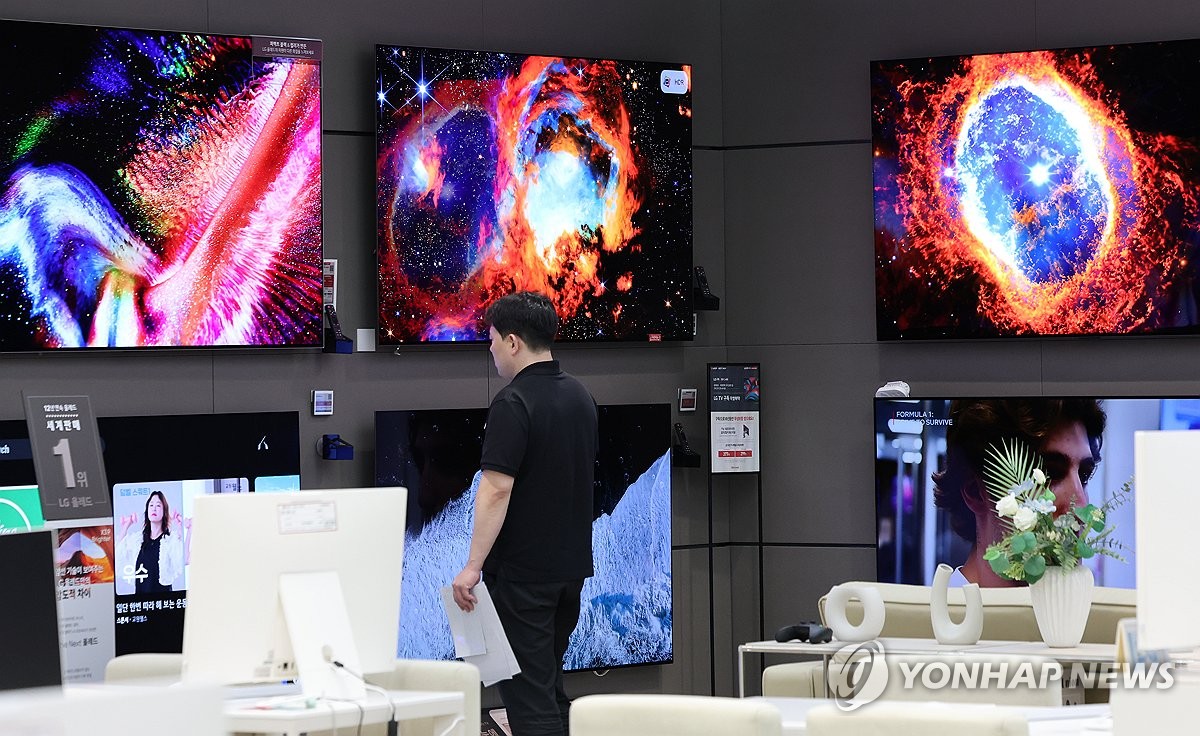
Samsung and LG Diverge in Home Appliances… Operating-Profit Gap at 1,000,000,000,000 KRW for the Second Straight Quarter - Yonhap News
연합뉴스 · 2026.08.01
📰 View original
[Stock to Watch This Week] Has Samsung Electronics’ Rebound Begun… Securities Firms ‘Maintain Target Price’ Despite Sharp Decline - Opinion News
오피니언뉴스 · 2026.08.02
📰 View original
Comments 0
to comment Login