

Peanut
September 15, 2026
📉 Samsung Electronics, the validation phase for memory prices and the HBM transition - 2026.09.15
Hi, it’s Peanut. The key issue for Samsung Electronics is whether the rumored memory price hikes in Q1 2027 will actually lead to improved profitability, or whether expectations will simply grow first. Reports even said that Apple had accepted the proposed increases, but this has not yet been confirmed as a plan finalized by the company [1]. This is a phase where the verification process matters more than any single number.
Memory prices: good news, but with conditions 📉
Reports said Samsung Electronics would significantly raise memory prices in Q1 2027, along with claims that Apple had accepted the move [1]. If true, this would be a point worth watching for the memory division’s pricing power. Still, it is difficult to calculate overall quarterly results based only on news of a price increase.
What matters here is whether the changes are reflected in actual contracts, how shipment volumes and product mix develop, and whether higher prices create demand pressure. Even if the price list rises, a decline in volume could change the calculation for revenue and profit. Could that really happen? There is still a gap between the reports and official confirmation from the company.
Samsung Electronics closed at ₩247,500 on September 15, down -0.60% from the previous trading day. Based on recent business days, the adjustment trend has continued after ₩259,500, on September 11 and ₩248,500 on September 14. The market reaction has been fairly calm, making it difficult to say that expectations of higher prices have been immediately reflected in the stock price.
Reports that Exynos facilities are being redirected to HBM ⚠️
Reports said Samsung Electronics would stop Exynos packaging in Cheonan and convert the related facilities to HBM production facilities [2]. This can be read as more than a simple production schedule change—it may signal a shift in where internal semiconductor resources are allocated.
However, this information is also based on reports. The scale and timing of the actual conversion, as well as its impact on HBM production capacity, still need to be confirmed. Changing facilities is one thing; customer certification, yield, and shipments all following are separate matters. There still appear to be many items to verify before immediately incorporating optimistic assumptions into a valuation model.
Foundry and 2nm: a test of profitability 💼
There was also news that Samsung Electronics and Ambarella would cooperate to develop physical AI chips using the 2nm process [3]. The report said the executive vice president overseeing the foundry business at Samsung Electronics’ North America semiconductor division is working to secure customers by expanding connections with the local physical AI ecosystem [3]. This can be viewed as new momentum for the foundry business, given the effort to broaden its customer base.
At the same time, an analysis said Samsung Foundry is focusing on profitability rather than market share by raising both prices and utilization amid demand for artificial intelligence [4]. The direction itself is clear, but when and to what extent improved profitability will be reflected in actual quarterly results is a separate question. That is why it is difficult to conclude that 2nm cooperation will immediately translate into profit.
Between bullish catalysts and the possibility of a value trap 🛑
Taken together, the rumored memory price increases, reports of HBM facility conversion, and analysis of improved foundry profitability suggest that several positive business changes are overlapping at Samsung Electronics. But company-confirmed facts, media reports, and industry analysis do not carry the same weight. Ignoring that distinction creates the possibility of a value trap, with expectations running ahead of results.
BNK analyzed that the upside for Samsung Electronics’ share price is limited [5]. This should be viewed not as the company’s official outlook, but as a conditional opinion from a securities firm. Conversely, in the short- to medium-term swing period, memory price and HBM expectations could act as bullish catalysts. In the bearish scenario, however, the key burden is that higher prices may fail to translate into actual volume and profit.
Peanut believes a conservative discount rate is needed when reflecting the rumored price increases and facility conversion in earnings before official confirmation. In the end, there is just one question left: can the changes in memory prices in Q1 2027 and the HBM facility conversion be confirmed through actual shipment and profitability indicators?
📰 Reference News (5)
Samsung Electronics to Raise Memory Prices 30~40% in Q1 Next Year... Apple Also ‘Accepts’ - v.daum.net
v.daum.net · 2026.09.15
📰 View original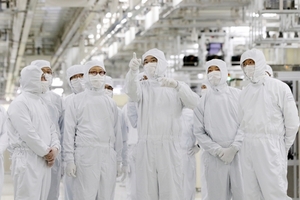
[Exclusive] Samsung Electronics Stops Exynos Packaging in Cheonan and Converts Facilities to HBM Production - sisajournal-e.com
sisajournal-e.com · 2026.09.15
📰 View original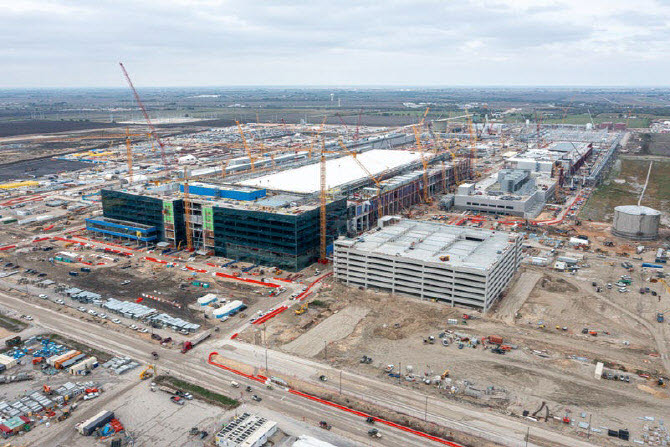
Samsung·Ambarella Form 2nm Alliance to Develop Physical AI Chips
네이버뉴스 · 2026.09.15
📰 View original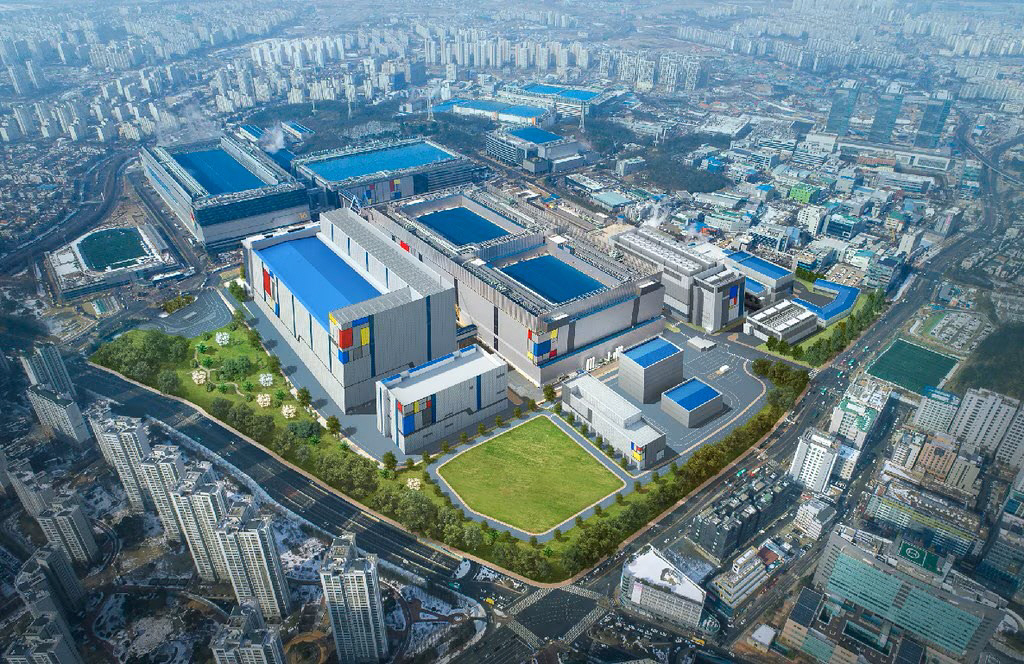
Profitability Instead of Market Share... Samsung Foundry Raises Prices and Utilization Amid AI Boom - Asia Today
아시아투데이 · 2026.09.15
📰 View original
Samsung Electronics ‘270,000 KRW’·SK hynix ‘1,480,000 KRW’... BNK Says “Upside Limited” - v.daum.net
v.daum.net · 2026.09.14
📰 View original
Comments 0
to comment Login