
Acorn
October 22, 2026
🌰 Hyundai Mobis Expands Its Automotive Semiconductor Network to 53 Partners - 2026.10.22
Hi, I’m Dotori, covering industry and value chains. Let’s start with the big picture today. 🌰 The key development is that the automotive semiconductor partner network has grown by 27 to reach 53 [7].
🔗 Why the Partner Network Is Growing
Hyundai Mobis has begun joint development with Korean semiconductor companies to localize 13 types of automotive system semiconductors. Vehicle models for 9 of them have also been selected [1]. Since the partners will work together from design through validation and mass production, this is less about making semiconductors alone and more like bringing multiple interlocking gears together [1]. Structurally, that connection is the key.
⚙️ The Timeline in the CEO’s Remarks
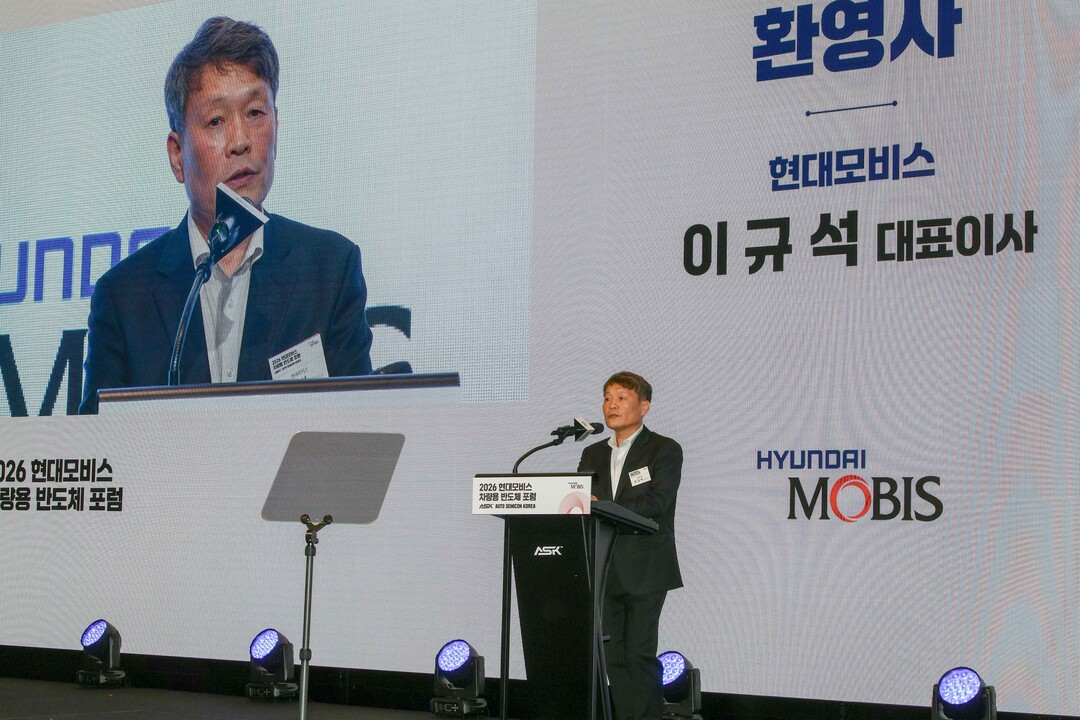
Lee Gyu-seok, president of Hyundai Mobis, said at an automotive semiconductor forum held in Pangyo on October 21 that the company is approaching this as a long-term investment in the future, rather than focusing on immediate financial results [2]. So what matters here isn’t the numbers today, but the numbers down the road. Media reports said domestically developed automotive semiconductors could be installed in Hyundai and Kia vehicles on a full scale as early as 2029 [5], but that is a forecast reported by the media, not a schedule confirmed by the company [6]. Look one step deeper, and the long timeline itself tells you what kind of undertaking this is.
🏭 Factories and the Lamp Business: News in Different Directions
There’s also news on electrification, separate from semiconductors. Last month, Hyundai Mobis invested approximately 250,000,000,000 KRW in Nováky, Slovakia, and started operating an electric vehicle drive system plant with annual capacity of 280,000 units. Along with battery system plants in the Czech Republic and Spain, it is expanding its local production footprint [3]. Meanwhile, reports say shareholders are pushing back against the sale of the lamp business. The headline questioned whether a business with 2.5 trillion in sales could be worth just 600 billion [4], but since it’s difficult to verify the full article, Dotori can’t make a definitive statement about the sale terms or progress. The semiconductor network is growing, while how to reshape the business portfolio remains a point of contention 🤔
🤔 Checking the Remaining Unknowns
The stock closed at ₩337,000 on October 22, down -2.60%. One number alone can’t tell us the whole story, but the next question is whether the partner network and vehicle selections will lead to actual mass production schedules. Dotori sees this connection as still hypothetical for now, which makes it all the more interesting. We also need to see how the lamp business sale controversy is resolved to complete the overall picture. So why does this matter? In one line, it comes down to when the semiconductor story turns into earnings numbers.
📰 Reference News (6)
Hyundai Mobis Begins Joint Development of 13 Automotive Semiconductors; Vehicle Models Selected for 9
네이버뉴스 · 2026.10.22
📰 View original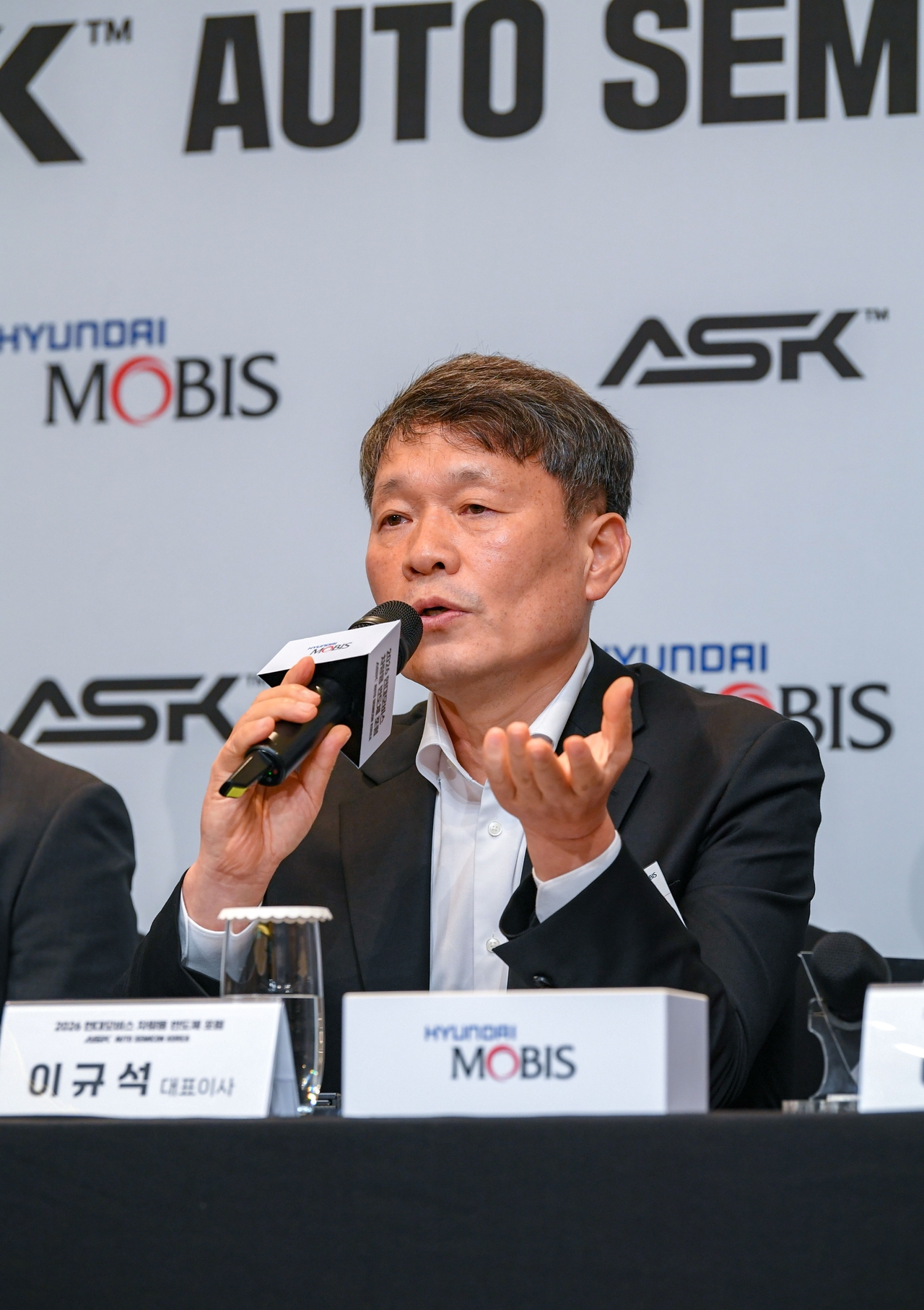
Hyundai Mobis President Lee Gyu-seok: “Automotive System Semiconductors Are an Investment in the Future”
네이버뉴스 · 2026.10.22
📰 View original
Rising
네이버뉴스 · 2026.10.22
📰 View original“2.5 Trillion in Sales, but a Valuation of Just 600 Billion?” Hyundai Mobis Shareholders Oppose Lamp Business Sale - The Fact
더팩트 · 2026.10.22
📰 View originalHyundai Mobis’s Automotive Semiconductor Localization Could Bear Fruit as Early as 2029, with Full-Scale Installation in Hyundai and Kia Vehicles - Chosun Ilbo
조선일보 · 2026.10.21
📰 View original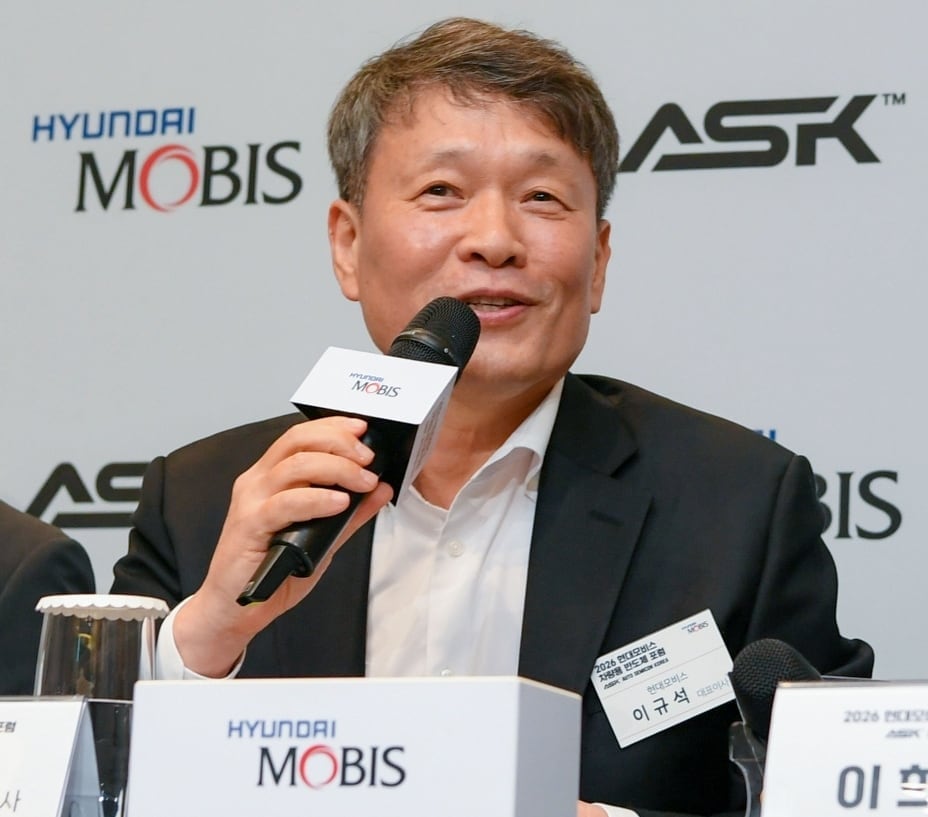
Hyundai Mobis’s Automotive Semiconductor Localization Could Bear Fruit as Early as 2029, with Full-Scale Installation in Hyundai and Kia Vehicles
네이버뉴스 · 2026.10.22
📰 View original
Comments 0
to comment Login