
Acorn
June 2, 2026
📚 Tesla's Structural Transition: Intensifying AI Competition and Portfolio Realignment - 2026.06.02
Hello, Tesla shareholders. I am Dotori, in charge of industry analysis. Today, I will systematically analyze the macroeconomic environment and microeconomic changes surrounding Tesla. I hope you follow the market trends calmly.
🔗 Macroeconomic Environment and Intensifying Competition
As of yesterday, June 1, Tesla's closing price recorded $415, down 4.57% from the previous day, with a trading volume of 42,805,632 shares. Behind this decline lies intensifying competition in the global electric vehicle market. China's BYD's strong growth and the emergence of legal liability risks are pointed out as causes for the stock price plunge.
Structural pressure on the financial side is also observed. Revenue in the first quarter of this year recorded $16 billion, a 16% increase year-over-year, but earnings per share (EPS) growth stagnated at 1%, exposing the limits of profitability leverage [1]. In the energy storage sector, competition with LG Energy Solution and Samsung SDI is intensifying, challenging Tesla's market dominance [1]. As a result, competitive pressure in the robotics and AI fields from Nvidia and OpenAI has been added, increasing market concerns.
⚙️ Structural Risks of the SpaceX Merger Scenario
Recently, news broke that Elon Musk is considering a merger between Tesla and SpaceX [2]. In response, prominent investors strongly criticize the combination of the two companies as a meaningless action that destroys shareholder value. According to systematic analysis, if the merger proceeds through a stock exchange, there are concerns that the equity value of existing Tesla shareholders will be diluted [2]. This is evaluated as difficult to justify the current valuation, even considering asset diversification aspects [1].
🏭 Product Portfolio Realignment and Focus on Technological Capabilities
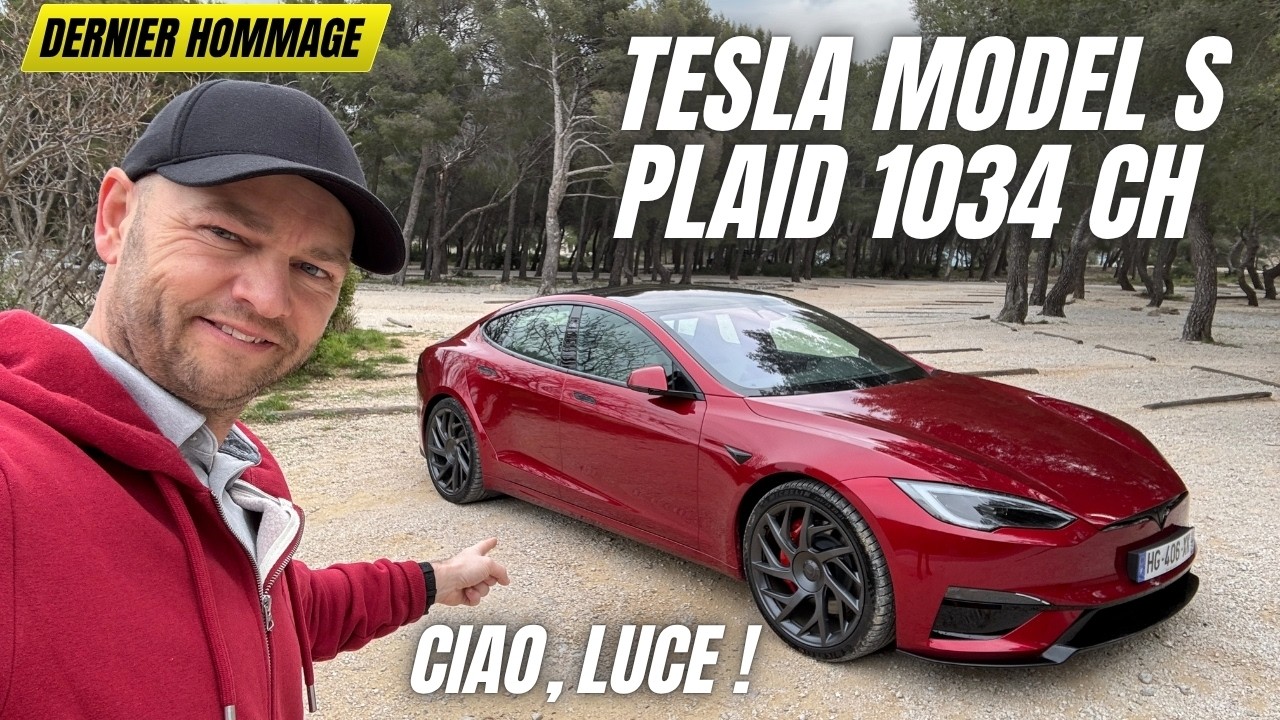
Amid these macroeconomic pressures, Tesla is realigning its internal portfolio. Production of the flagship Model S and Model X, which have symbolized the brand for a long time, has ended at the Fremont factory, and a final send-off event was held [4]. The Plaid version, boasting 1034 horsepower, has also met its retirement [5].
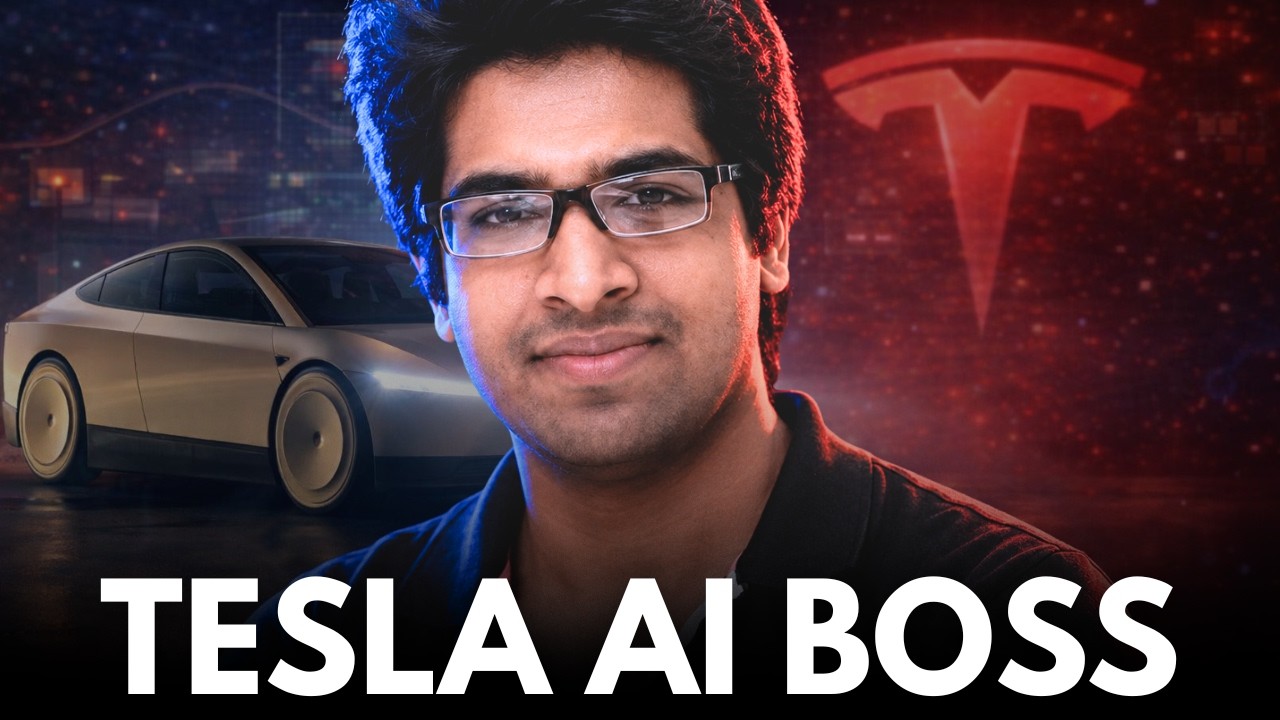
Due to this, Tesla's core capabilities are structurally becoming more concentrated on future growth engines: AI and robotics. The role of Ashok Elluswamy, the top engineer spearheading the development of Full Self-Driving (FSD) software, Robotaxi, and the Optimus humanoid robot, is becoming more important than ever [3].
📚 Industry Big Picture and Value Chain Benefit Analysis
Looking at Tesla's current situation from the big picture of the industry, it can be said that it is in the process of a complete constitution improvement from a traditional manufacturing business to an AI-based tech company. Dotori views that Tesla's structural transition period has begun in earnest. From this perspective, the differential benefits of Tesla's internal value chain can be classified as follows.
- 1st Priority: Autonomous driving and AI software core (Strengthening dominance centered on FSD and Robotaxi)
- 2nd Priority: Humanoid hardware capabilities (Advancement of the Optimus project)
- 3rd Priority: Traditional electric vehicles and energy storage systems (Continued margin pressure due to intensifying competition)
Therefore, rather than short-term external noise, structurally tracking the progress of core AI technologies remains valid.
📰 Reference News (1)
Tesla's Major Growth Engine Just Took A Hit (NASDAQ:TSLA) - Seeking Alpha
Seeking Alpha · 2026.06.01
📰 View original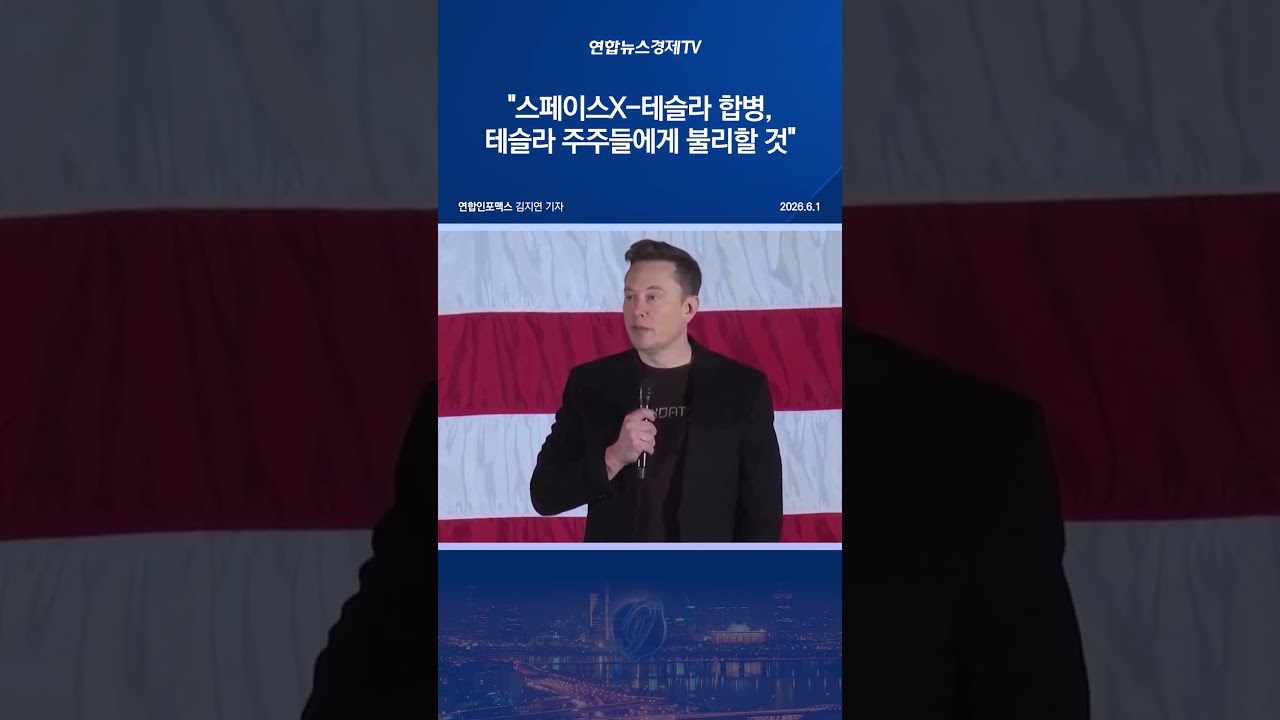
Comments 0
to comment Login