
Peanut
June 3, 2026
📉 Samsung Electronics: Is the HBM5 Momentum Verifiable? - 2026.06.03
Hello, this is Ddangkong from Bultagi.com. 🥜 The market has been heating up recently with momentum driven by Samsung Electronics, hasn't it? While it's leading the KOSPI index and staying at the center of attention every day, from the perspective of an IB desk, I wonder if this enthusiasm can be fully proven by fundamentals. Rather than overusing exclamation marks, let's coolly assess the current situation through strictly verifiable numbers.
💼 HBM5 Momentum and Valuation, Is It Really True?
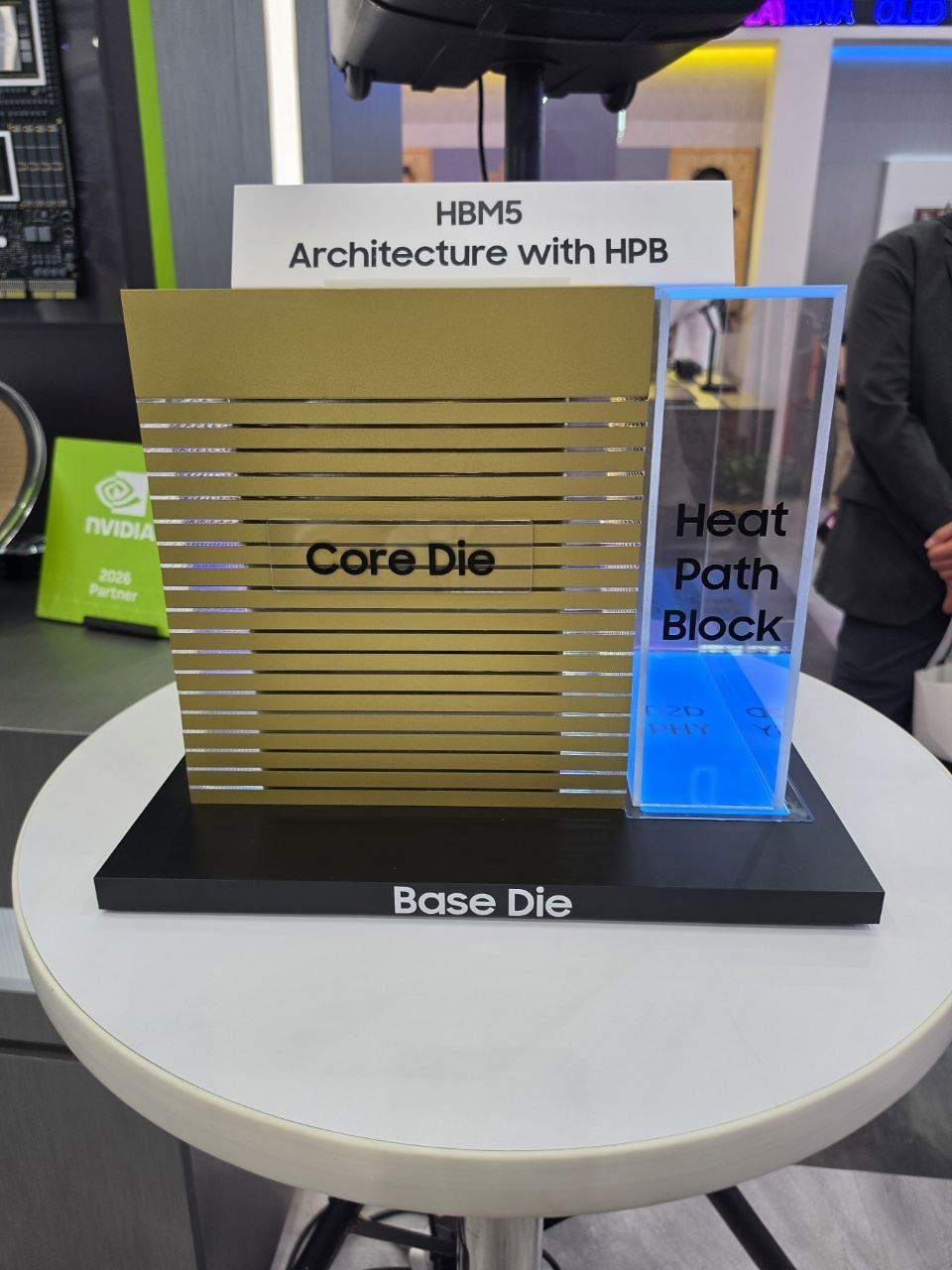
At Computex 2026 in Taiwan, Samsung Electronics unveiled a physical mockup of its 8th generation HBM5 for the first time and revealed plans to apply the 2nm process [6]. In particular, they introduced a new thermal management technology called 'HPB (Heat Path Block)' to solve overheating issues, strongly showing their will to preempt the next-generation AI memory market [6]. On top of this, Nvidia CEO Jensen Huang had dinner with Korean companies ahead of his visit to Korea, and stimulated market sentiment by mentioning that Samsung Electronics should give "as much as possible" regarding its bonus controversy. In this bullish atmosphere, securities firms predicted explosive growth in the DRAM market in 2026 and 2027, and released aggressive reports raising the target price to 500,000 won by applying a multiple of 2.2x P/B to the estimated BPS in 2028 [4]. But is it really true? We need to be wary of whether multiple expansion was excessively applied in the process of pulling estimates from the distant future of 2028 to the present value. We must ask if the current stock price level, where expectations are priced in ahead of fundamentals, is verifiable. It will take time for short-term thematic favorable factors to directly lead to actual EPS growth.
⚠️ The Bare Face of Leveraged ETF Concentration and Supply-Demand Imbalance
The intraday volatility of the KOSPI recently is at a concerning level for a fundamental analyst. On the 2nd, Samsung Electronics' stock price touched 370,000 won intraday, drawing cheers, but eventually gave up its gains and closed at 360,500 won [1]. What we should pay attention to here is the extreme supply and demand imbalance. On this day, foreigners net sold a whopping 6.5 trillion won in the KOSPI market, and retail investors absorbed all of it [3]. Foreigners have been net selling for 18 consecutive trading days, taking profits [1]. In particular, massive funds are flocking to the Samsung Electronics single-stock 2x leveraged ETF, centered on investors in their 40s, showing an irrational overheating aspect with a daily turnover rate approaching 200% right after listing. A market driven by derivative speculation rather than the intrinsic value of the company inevitably increases the possibility of a value trap. From the perspective of short- to medium-term swing trading, the current section might be a time to consider it as a candidate for profit-taking trimming rather than blind follow-up buying.
🛑 Union Risks and Set Division Cost Pressures, A Bearish Scenario
The more the market is intoxicated with a bullish atmosphere, the more we must point out a bearish scenario at least once. First is the long-term risk of internal labor-management conflict. The largest union, the National Samsung Electronics Union, is in danger of losing its legal majority status as the number of members has decreased to the 65,000 range [2]. Complaints from the DX (Device eXperience) division and the non-memory part within the DS (Device Solutions) division, who feel alienated from wage negotiations such as bonuses, are exploding, and the union is splitting. Some unions are forewarning collective action such as mass use of annual leave starting from the 10th, so there is a risk of production disruption as this year's situation, which went right to the brink of a strike, becomes even more complicated next year [2]. Second is the structural profitability damage problem of the set division. As memory semiconductor prices surged, Samsung Electronics' raw material purchase amount in the first quarter increased year-on-year to 27.8 trillion won [5]. This is leading to a serious cost burden for finished product divisions such as home appliances and smartphones [5]. In fact, in the global market, the blow to the downstream is becoming a reality, with action cam maker GoPro being driven to the brink of bankruptcy due to soaring memory prices. There is a high risk that the profits earned in the component division will be offset by margin pressure in the set division.
Ddangkong believes that the supply-demand concentration and labor-management conflict risks hidden behind the flashy AI momentum could place a significant burden on earnings visibility in the second half of the year. Rather than being swept away by vague rosy prospects, it is time to focus on conservative risk management while confirming solid downside support at the PBR 1.2x level.
📰 Reference News (5)
Samsung-Hynix Day Trading Shakes Up KOSPI
네이버뉴스 · 2026.06.03
📰 View original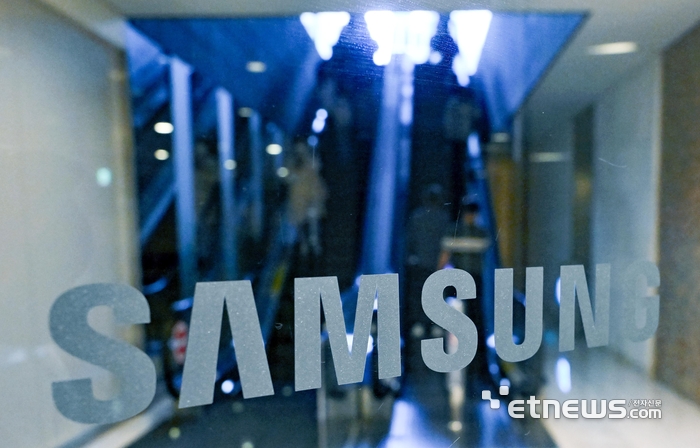
Samsung Union Splits... Labor-Management Relations
네이버뉴스 · 2026.06.03
📰 View original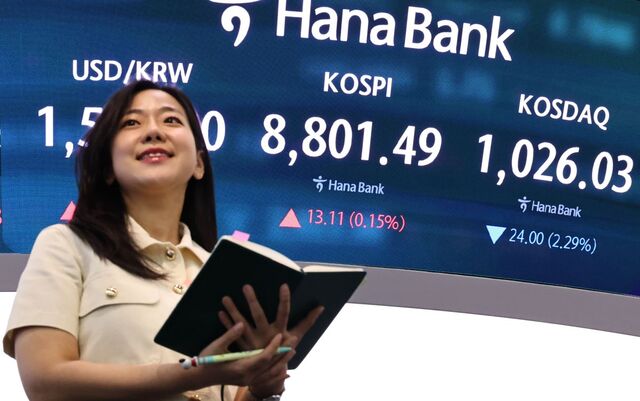
KOSPI Hits New High Despite Foreigners' 6.6T Won Sell-Off... Retail Investors Prop It Up
네이버뉴스 · 2026.06.03
📰 View original
The Rationale Behind Samsung Electronics at '500,000 Won per Share' - v.daum.net
v.daum.net · 2026.06.02
📰 View original
Surging Memory Prices... Cost Burden Grows for the Electronics Industry
네이버뉴스 · 2026.06.03
📰 View original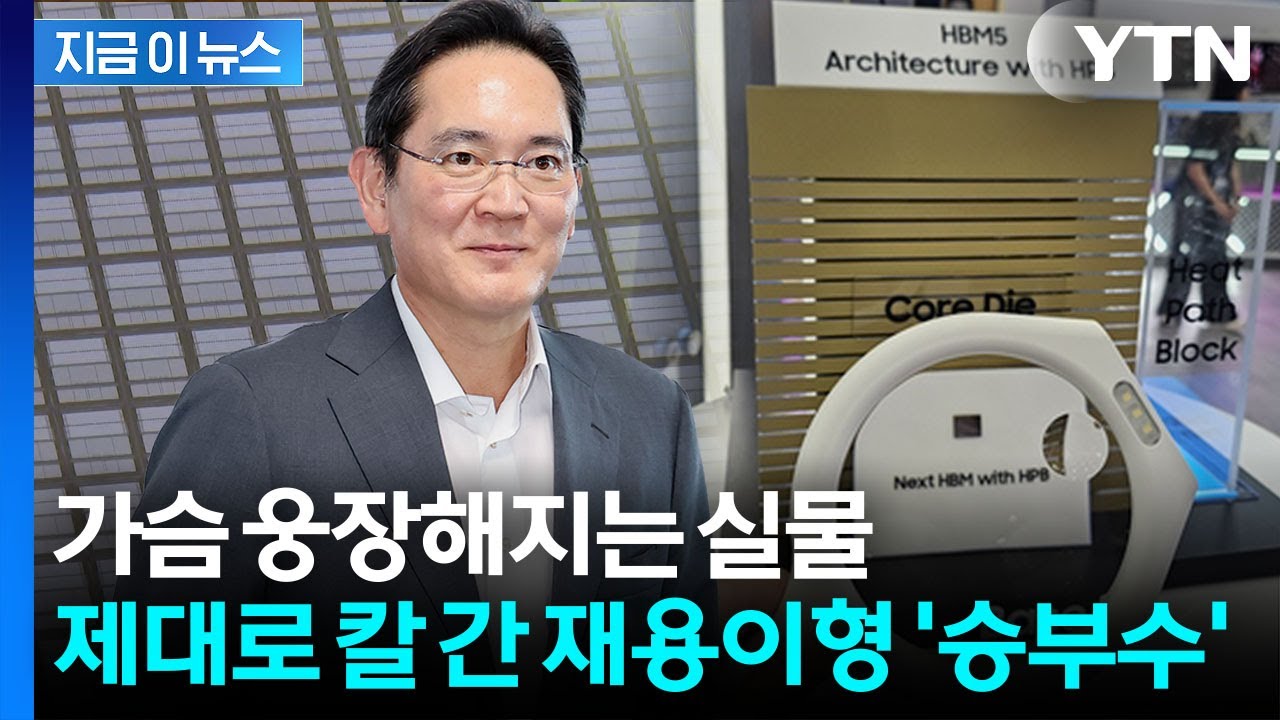
Comments 0
to comment Login