
Onion
September 5, 2026
🔥 Hyundai Motor widens its supply-chain footprint with U.S. steel and hydrogen mobility - 2026.09.05
This is something—an onion, indeed. Hyundai Motor’s latest moves are a U.S. steel mill and hydrogen buses. It is stepping beyond simply selling more cars, laying out a plan to secure automotive steel locally while also building out eco-friendly transportation. The bullish scenario surrounding Hyundai Motor is widening beyond sales volume alone to include its supply chain and broader business reach. 🚀
The U.S. steel mill has moved inside the automotive business
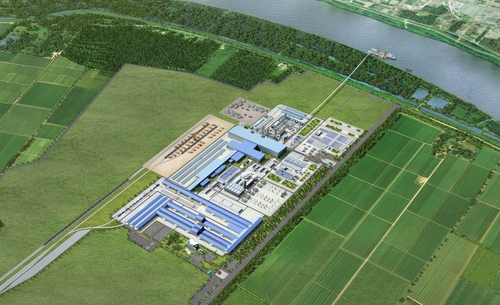
Hyundai Motor Group and POSCO have begun construction of an electric arc furnace steel mill to establish a local automotive steel production base in the U.S. The facility is reportedly planned to supply steel not only to Hyundai Motor and Kia but also to other automakers in the U.S. [1].
Maeil Business Newspaper also covered Hyundai Motor’s plan to build a steel mill in the U.S. and establish a local steel supply chain. The key point is that expanding its U.S. production base and its steel business strategy are moving together as one package [2]. An automaker taking care of steel too—“from building cars to handling the metal itself” really fits here. This is not a story about a business overflowing with steel; it is about directly broadening the supply chain.
What matters here is not the steel mill itself, but how far the local production base will be expanded. If the automotive steel needed for vehicle production in the U.S. is linked to a local supply chain, steel could play a larger role in Hyundai Motor Group’s investment strategy in the U.S. However, the actual production start date, operating level, and extent of supply to outside automakers remain variables that still need to be confirmed.
A big umbrella called next-generation mobility
Hyundai Motor Group Executive Chair Euisun Chung said that steel produced at the U.S. steel mill would be used to produce next-generation mobility solutions for Hyundai Motor Group and other automakers [4]. The remark stands out because it explains the steel investment not as something limited to existing vehicle production, but as something connected to the mobility ecosystem of the future.
Still, the company’s stated direction and the market’s interpretation need to be viewed separately. The explanation that it will be used for next-generation mobility is a confirmed statement, but it is not enough to determine profitability or share-price trends. Whether large-scale facility investment leads to real supply-chain efficiency and higher sales, or instead increases the burden of initial costs, will emerge during execution. I haven’t watched the market for 30 years for nothing. Even a grand vision looks great, but a factory ultimately has to sit for the exam called utilization.
Hydrogen buses in Oman open an overseas testing stage
Hyundai Motor Group signed a memorandum of understanding with the Omani government and OQ on eco-friendly mobility and plans to deploy Elec City hydrogen fuel cell buses on Muscat’s “Green Route.” Hyundai Kefico’s 240kW ultra-fast chargers are also scheduled to operate in the Halban area [3].
The significance of this news lies not simply in exporting vehicles, but in a demonstration project combining buses and charging infrastructure. If hydrogen bus operations and charger management take place together in one area, it appears closer to a model for building experience in operating eco-friendly mobility than one that merely supplies vehicles. Of course, separate confirmation is needed to determine how far the MOU and deployment plan will lead to actual operating scale, utilization, and follow-on projects. This is expansion material worthy of market applause, but we should not forget that applause and earnings figures are different instruments.
The next questions for viewing Hyundai Motor
To sum up the material in one line, the U.S. is seeing a flow that broadens the supply chain from steel to vehicle production, while Oman is seeing a flow that tests hydrogen buses and charging infrastructure together. The former concerns the production base and the latter the eco-friendly mobility field, but both show that Hyundai Motor’s business arena does not stop at selling finished vehicles.
The onion believes Hyundai Motor’s bullish scenario depends on whether supply-chain internalization and demonstrations of future mobility translate into actual operating results. The operation of the U.S. steel mill and expansion of its supply destinations, the performance of hydrogen buses in Oman, and the links these investments create to vehicle sales and profitability all matter. The market’s question is now shifting from “What has it started?” to “How efficiently can it run?” 🔥
📰 Reference News (4)
Hyundai Motor Group and POSCO break ground on U.S. steel mill… Euisun Chung says it will play a “major role in next-generation mobility”
네이버뉴스 · 2026.09.05
📰 View original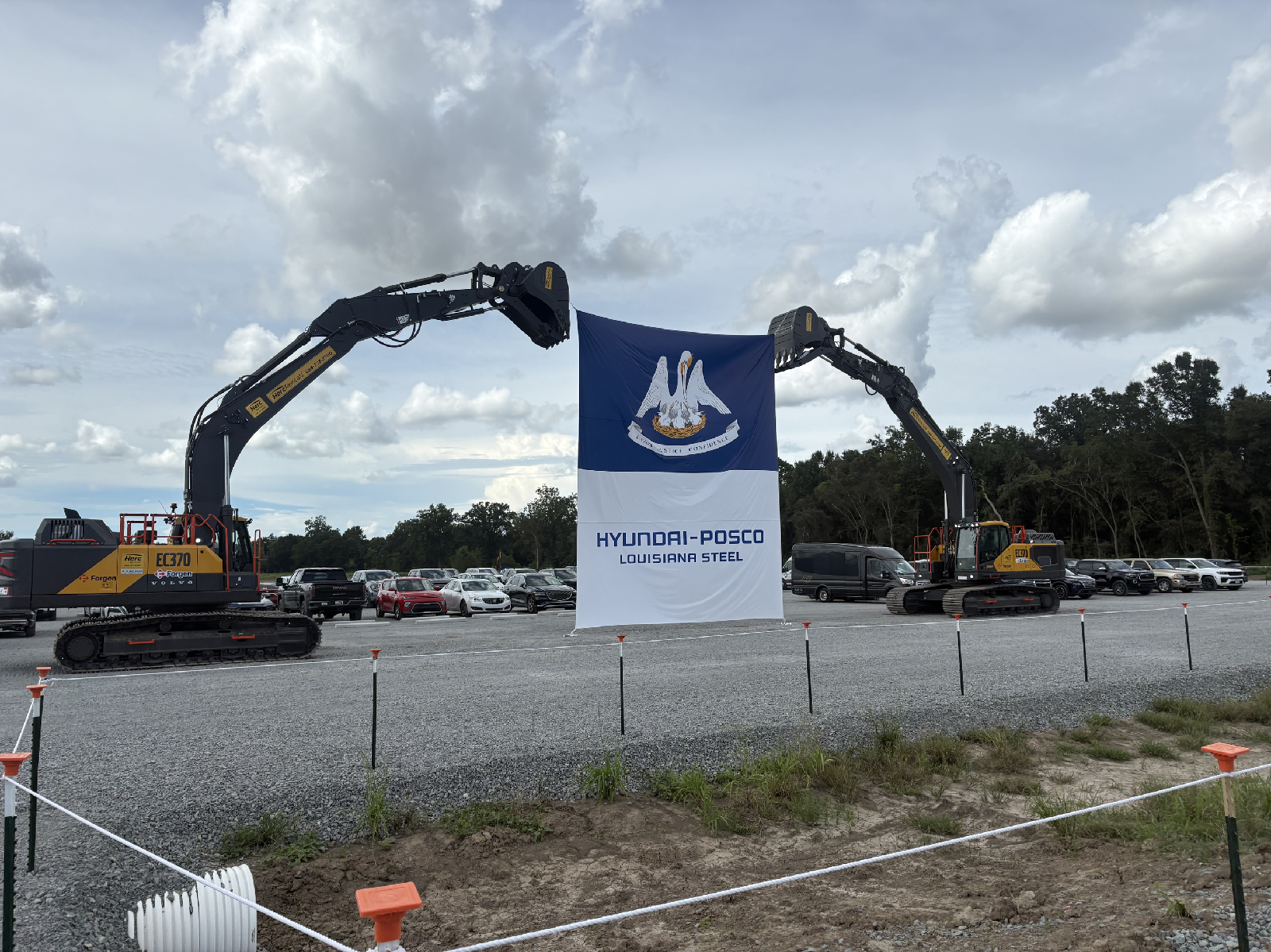
2.23 million pyeong of sugarcane fields becomes a steel mill… Hyundai Motor completes its “U.S. steel puzzle” - Maeil Business Newspaper
매일경제 · 2026.09.04
📰 View original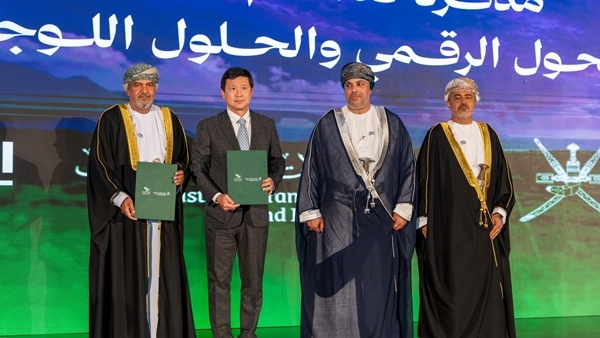
Hyundai Motor Group deploys Oman’s first hydrogen buses… also to operate 240kW chargers
네이버뉴스 · 2026.09.04
📰 View original
First U.S. steel mill by a Korean steelmaker… Hyundai Steel and POSCO break ground in Louisiana 8,000,000,000,000 KRW
네이버뉴스 · 2026.09.05
📰 View original
Comments 0
to comment Login