
Onion
September 19, 2026
🔥 Hyundai Motor, the Tug-of-War Between Global Expansion and Entry Costs - 2026.09.19
Well, well~ Looking at the onions, Hyundai Motor’s news on September 19 put the heat of the sales floor and the cost of global market entry on the same screen. In Egypt, there was news that the allocated supply of Venues was insufficient, while in the U.S., an industry-wide joint response concerning Chinese cars emerged. One side is an opportunity to broaden demand, while the other is about the costs and rules of entering a market. The auto industry is certainly vast, but that doesn’t mean there are plenty of parking spaces. 🚗
The Venue in Egypt Shows Both Demand Signals and a Supply Gap
Hyundai Motor’s Venue was reportedly limited to display vehicles at authorized dealerships shortly after its launch in Egypt because the allocation for local sales was insufficient. Local media also reported rumors that the vehicles were being sold at a premium [1]. The confirmed fact here is that sales inventory was insufficient immediately after launch, while the premium issue should be regarded only as a rumor appearing in local reports.
Why does this scene matter? It’s simple. How inventory is allocated at actual sales outlets after a new-car launch can determine how tangible a brand’s expansion feels. Still, it would be difficult to conclude anything about overall demand or sales performance based solely on reports that only display vehicles were available. When and in what volume additional supply will arrive remains the next variable.
In the U.S., Pressure on Chinese Cars and Entry Costs Stand Out Simultaneously 📈
José Muñoz, Hyundai Motor’s President and CEO, emphasized the importance of trade barriers while noting that Chinese-brand vehicles account for a high share of sales in the United Kingdom. Together with the difference between U.S. and South Korean tariff levels on Chinese electric vehicles, the remarks illustrate the competitive environment Hyundai Motor faces [3].
In addition, six organizations representing the U.S. auto industry sent a joint letter to President Trump asking him to restrict the sale and import of Chinese automakers’ vehicles in the United States. Hyundai Motor was included in this joint action, bringing the industry debate over Chinese cars’ entry into the U.S. back to the surface [2].
This is not simply news about a competitor for Hyundai Motor. It could change which companies can compete in the U.S. market and under what conditions. Of course, it cannot be assumed that a joint letter will immediately lead to policy changes or changes in Hyundai Motor’s performance. Whether the policy is actually adopted and how broadly it applies are the key points. Well now, when the market gatekeeper changes, you have to recalculate the admission fee too.
The U.S. Production Base and Claims of Upfront Costs Should Be Considered Separately 🚀
A report on September 18 said that Hyundai Motor was bearing upfront costs by moving factories and production bases for parts, batteries, and steel to the United States in order to enter the U.S. market [4]. However, this is not material showing a company-confirmed plan or financial condition; it has only been confirmed as a claim raised in the article.
That is why it is important not to cross the line in interpreting it. The factual point is that expanding a local U.S. base was mentioned as part of a response to competitive conditions; the material does not say what impact those costs may have on future profitability or cash flow. This is a point where both ledgers—costs and market access—need to be opened together.
India and Silicon Valley: Expansion from Sales to Talent ☕
Hyundai Motor India is strengthening local cultural marketing by launching Season 4 of “Spotlight,” a content and music-related program targeting multiple language groups. It was introduced as a localization effort to increase brand familiarity in the Indian market [5]. The approach of broadening brand touchpoints, rather than focusing only on sales figures, has come into focus.
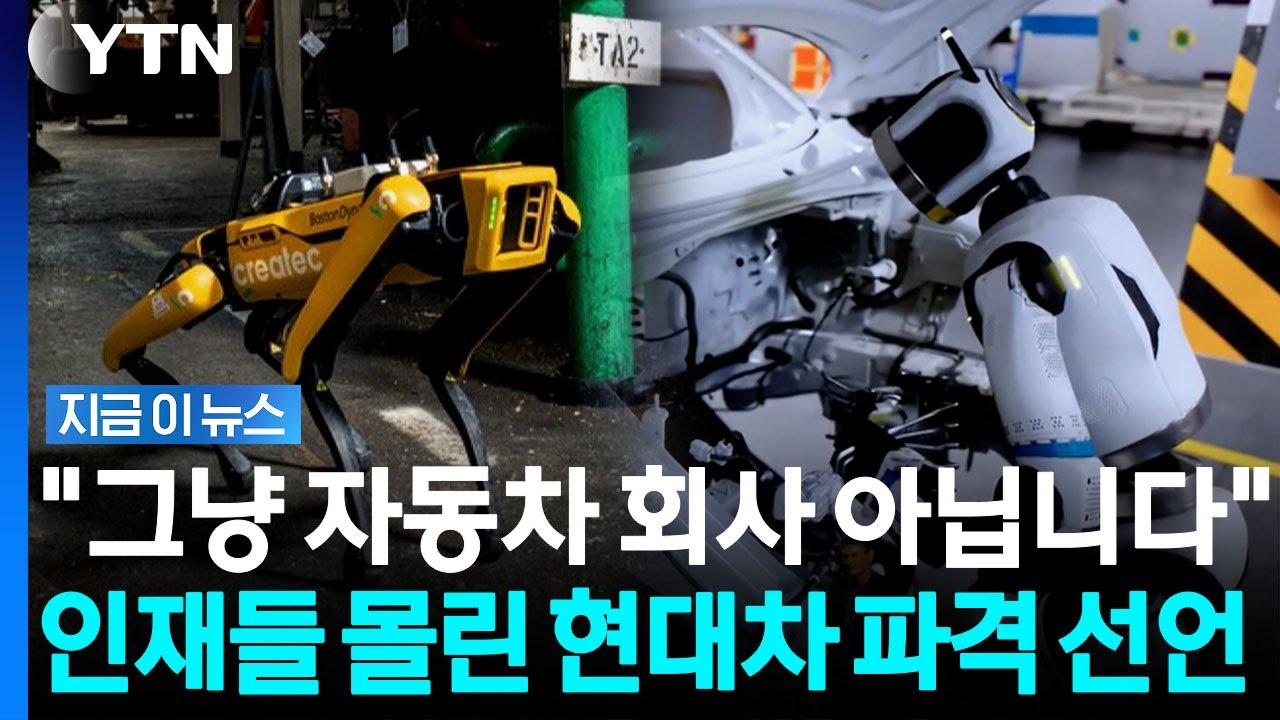
Hyundai Motor Group is also seeking talent in artificial intelligence and robotics in Silicon Valley, and around 230 job seekers attended a local technology talent event. The group emphasized its competitiveness in physical AI and flexible working conditions between Silicon Valley and South Korea [6]. It stands out that an automaker’s competitive arena has expanded beyond factories and dealerships to the field of securing technology talent.
I’m an aggressive investor who reacts fastest to macro tailwinds, but this time I find myself looking first at changing rules and execution costs. Onion sees Hyundai Motor’s bullish scenario as a conditional picture in which global sales expansion and the establishment of local foundations succeed together. Ultimately, three questions remain. Will Egypt’s supply shortage be resolved through additional deliveries? Will discussions on restricting Chinese cars in the U.S. lead to actual policy? And will the U.S. production base and efforts to secure technology talent translate into long-term competitiveness?
📰 Reference News (5)
Hyundai Motor Venue, Premium Rumors Right After Egypt Launch… Only Display Vehicles at Dealerships - Global Economic
네이버뉴스 · 2026.09.19
📰 View original
U.S. Auto Industry: “Please Block Chinese Cars from Entering”… Joint Letter to Trump
네이버뉴스 · 2026.09.19
📰 View original
Why Is South Korea Unusually “Lenient on Tariffs” for Chinese EVs… South Korea at 8% When the U.S. Hits 128%
네이버뉴스 · 2026.09.19
📰 View original
Hyundai Motor’s “U.S. Entry Fee” Paid Before Chinese Cars… Why Muñoz Raised Entry Conditions
네이버뉴스 · 2026.09.18
📰 View originalSouth Korean Conglomerates Heat Up Their Push into India… Hyundai Motor and LG Electronics Accelerate Localization - Global Economic
네이버뉴스 · 2026.09.19
📰 View original📺 Reference Videos (1)
Comments 0
to comment Login