
Acorn
September 3, 2026
🔗 Micron: The Tug-of-War Between HBM Share and Next-Generation Memory - 2026.09.04
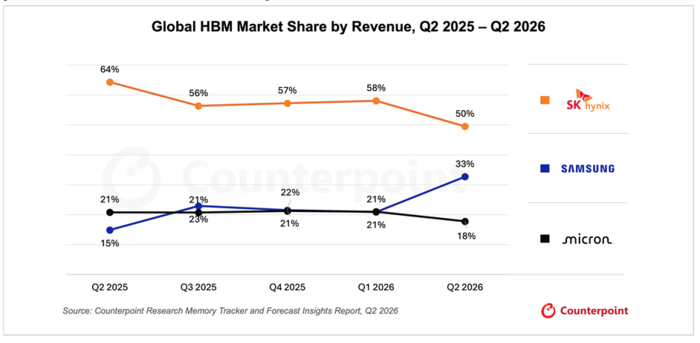
Hi, it’s Dotori. Looking at the big picture first, Micron’s new issue is the gap between its current HBM share and next-generation AI memory technologies. In the second-quarter HBM market, Micron held 18%, compared with 50% for SK hynix and 33% for Samsung Electronics [1]. At the same time, discussions are emerging around near-GPU NAND and new DRAM technologies. It’s as if the current report card and the next technology card are overlapping on one screen.
Current HBM Position and the Next Card 🔗
According to Electronic Times estimates, second-quarter HBM shares were 50% for SK hynix, 33% for Samsung Electronics, and 18% for Micron [1]. These figures show that Micron has secured a meaningful position in the HBM market, but still trails the leaders. The key question here is not simply whether it can close the share gap, but which product lines can create differentiation as demand for AI memory grows.
TheGuru reported that Micron is developing near-GPU NAND specialized for AI inference and joining the HBF competition [2]. Rather than focusing only on HBM, this can be read as an effort to broaden its view toward NAND-based memory placed closer to AI computing devices. Looking one step further, the memory race is expanding from “how much capacity can be added” to “how efficiently can it connect with computing devices.” It’s not about replacing just one gear, but reworking the entire set of connection points.
How Far Will the Technology Claims Go? ⚙️
According to digitimes, Micron said that tightly coupled DRAM technology could provide more than 10 times the bandwidth of HBM [3]. This is a technology claim presented by the company and should not be interpreted as confirmation that it has been applied in the market or generated business results.
Even so, it has industrial significance. That’s because it expands the competitive axis of AI memory from existing HBM supply volumes to data-movement architecture and bandwidth. Dotori views this in three tiers: first, the current supply competition in HBM; second, adjacent products such as near-GPU NAND and HBF; and third, next-generation coupled DRAM technology. Since the commercialization timing and customer adoption differ at each stage, it would be difficult to assign them equal weight based on a single technology announcement.
Policy Enters the Supply-Chain Gears 🏭
KBS reported that the U.S. administration officially established a policy applying different tariffs depending on whether semiconductors are produced in the United States [5]. This does not mean that Micron has confirmed changes to its production strategy or costs. However, it adds another variable: when examining the semiconductor supply chain, production locations and trade conditions must be considered alongside technology and demand.
Structurally, the AI memory value chain links design, manufacturing, packaging, and customer systems together like a relay. The key policy variables are how the tariff criteria are actually applied and what differences arise between U.S. and overseas production. For now, the direction has been presented before the detailed conditions, so the impact on Micron can only be clarified once additional information emerges.
Patent Disputes Are a Separate Gear 📚
There was also news that Netlist failed in its appeal in a patent lawsuit against Micron [4]. This can be viewed as an update on a patent dispute involving Micron, but the information in the article alone is not enough to determine its impact on business performance or finances.
Ultimately, there are three key threads right now: the current HBM share gap, technological expansion into inference-focused NAND and coupled DRAM, and policy conditions surrounding U.S. production standards. Dotori believes the next thing to verify is not the technology announcements themselves, but whether they lead to product adoption and supply-chain implementation. The remaining questions are which will take shape first: changes in HBM market share, actual customer connections for new memory products, or the detailed application of U.S. tariffs.
📰 Reference News (4)
Second-Quarter HBM Share: SK hynix 50% · Samsung Electronics 33% · Micron 18% - Electronic Times
전자신문 · 2026.09.03
📰 View original
Micron Develops 'AI Inference-Specialized' Near-GPU NAND… Joins HBF Competition - TheGuru
더구루 · 2026.09.03
📰 View originalMicron says tightly coupled DRAM could deliver more than 10x HBM bandwidth - digitimes
digitimes · 2026.09.02
📰 View originalNetlist Shares Sink After Losing Appeal in Patent Case Against Micron - Moomoo
Moomoo · 2026.09.02
📰 View original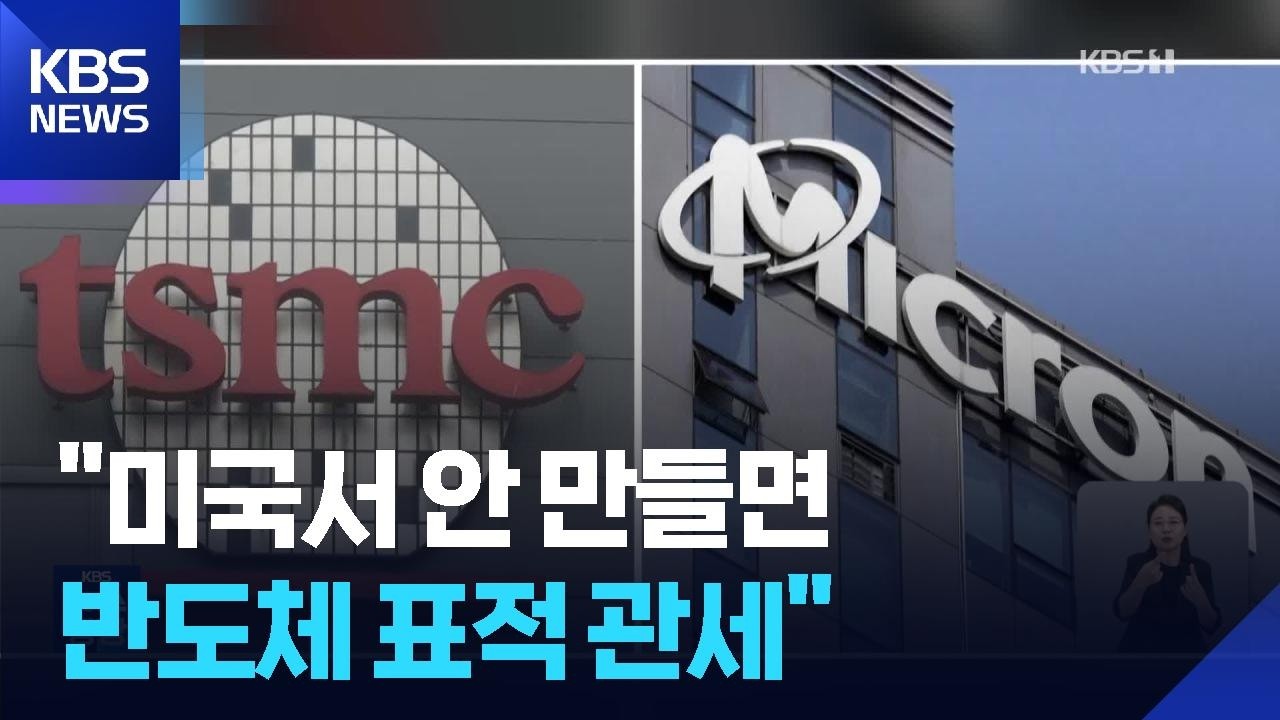
Comments 0
to comment Login