
Acorn
September 3, 2026
🔗 Samsung Electronics: The HBM Catch-Up and the Link to Its AI Business - 2026.09.03
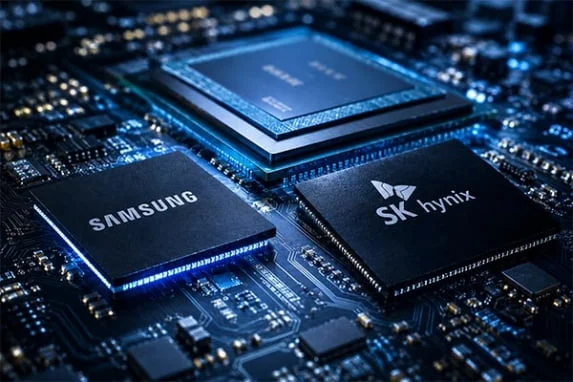
Hi, it’s Dotori. Starting with the big picture, Samsung Electronics’ new focus is the speed of its HBM catch-up and its ability to turn AI into a real business. In the second-quarter HBM market, Samsung Electronics’ share was reported at 33%, showing it narrowing the gap with SK hynix, which recorded 50% [1]. More important than any single number is that the axis of memory competition is shifting more clearly from conventional memory toward products for AI infrastructure.
🔗 The HBM Gap Has Narrowed, but the Relay Continues
What this data confirms is that Samsung Electronics recorded roughly one-third of the HBM market and reduced its gap with the leader [1]. Still, it would be difficult to say the competitive landscape is settled based on this figure alone. HBM is not a component that can be completed simply because one memory company performs well; design, production, testing, and customer supply must mesh together like gears.
So, if we divide the value chain from the industry’s broader perspective, the first priority is high-value memory such as HBM, the second is the semiconductor production and testing network that supports it, and the third is the mobile and home-appliance businesses that attach AI functions to products and operations. This is not a ranking that establishes a specific company’s benefits, but rather resembles the priority of business connections shown by this round of news.
⚙️ AI Is Moving from Product Messaging to Operating Structure
At IFA 2026, Samsung Electronics presented its AI products and business direction under the theme “Your everyday AI companion” [3]. Meanwhile, the head of Samsung Electronics’ Big Data Center introduced the company’s journey toward adopting agentic AI and innovating its operations [6]. Looking one step deeper, the AI competition is not about ending with a prominent model name; it leads to the question of how naturally AI can permeate products and data-center operations.
The fact that Samsung talks about AI in home appliances and mobile devices while also addressing AI use in internal operations can be read as a move to view the entire business as one connected network. Of course, these materials alone cannot establish profit contributions or earnings effects. The AI signboard looks impressive, but the road to the checkout counter still remains. Dotori sees this connection as the key.
📱 In Mobile, In-House Chips and Costs Interlock
A different kind of variable is emerging on the mobile side. Although Samsung Electronics increased its use of Exynos chips, application processor costs were reported to have risen 30% from three years ago [2]. Expanding the use of in-house chips may look like an effort to adjust the supply structure, but the fact that costs also increased makes it difficult to view cost structure and product competitiveness separately.
In addition, Samsung Electronics will launch the Galaxy S26 FE domestically on September 4 and introduce the 256GB model at 1,045,000 KRW. The colors are listed as Blueberry, Graphite, and Pistachio [4]. A new product launch offers a clue for assessing mobile demand and product mix, but when viewed alongside rising AP costs, the more important observation point becomes the cost structure and sales performance rather than the “launch itself.”
🏭 Production Decisions and Labor Variables Are Separate Axes
A report said that management decisions such as the Honam semiconductor project involving Samsung Electronics and SK hynix cannot be subject to industrial action under the Ministry of Employment and Labor’s implementation guidelines. However, the Samsung Electronics union’s dispute over incentive payments and the legal enforceability of those guidelines remain separate issues [5]. This point shows that semiconductor investment is not only a matter of technology and capital. The major decision of where to locate production and the labor-management dispute over incentives are different gears, even within the same factory.
For reference, Samsung Electronics’ closing price on September 3 was ₩250,000, the change was -0.20%, and trading volume was recorded at 12,647,835. Rather than interpreting the recent trend through this single number, the more fundamental questions are whether changes in HBM share will lead to actual supply expansion and customer connections, whether the AI strategy will produce visible results in products and operations, and how the company will absorb mobile cost pressures. Ultimately, the next scene may be decided less by the market-share figure than by whether each gear in the value chain actually turns together.
📰 Reference News (6)
Samsung Electronics’ Q2 HBM Share at 33%… Chasing SK hynix’s ‘50%’ - hankyung.com
hankyung.com · 2026.09.03
📰 View original
Exynos Use Increased, but… Samsung Electronics’ AP Costs Up 30% vs. Three Years Ago - v.daum.net
v.daum.net · 2026.09.02
📰 View original
[IFA2026] Samsung Electronics: “Your Everyday AI Companion” - etnews.com
전자신문 · 2026.09.03
📰 View original
Samsung Electronics,
네이버뉴스 · 2026.09.03
📰 View original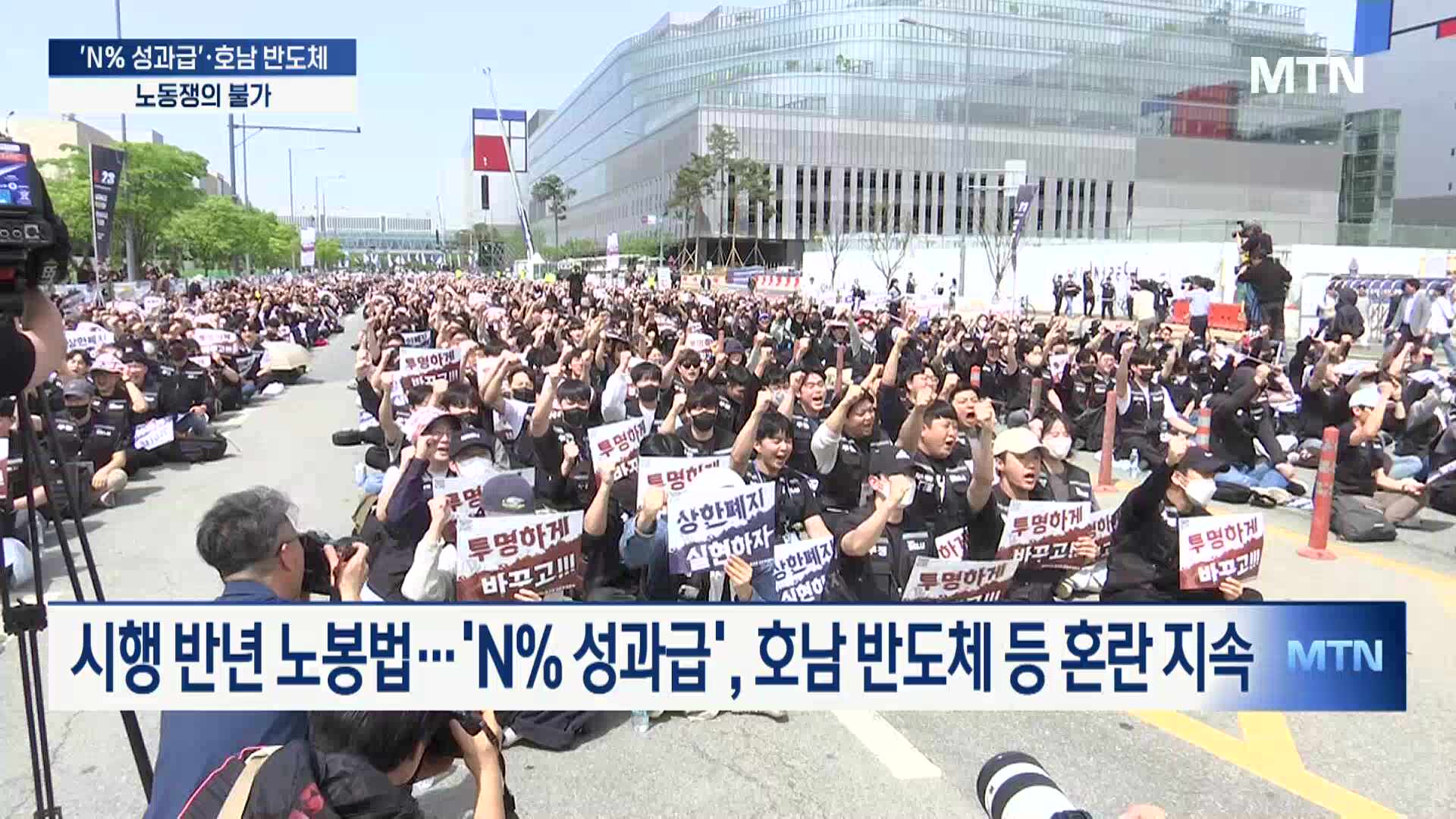
Samsung Union Cannot Strike Over ‘N% Incentive’ or Honam Semiconductor Project… Legal Enforceability Remains a Challenge
네이버뉴스 · 2026.09.03
📰 View original
“Operations Matter More Than the AI Model”… Who Is Responsible for Open-Source Infrastructure?
네이버뉴스 · 2026.09.03
📰 View original
Comments 0
to comment Login