
Goguma
September 16, 2026
Hyundai Mobis Checks Supply Chain, European Production, and Robot Expansion in Tandem 🍠 - 2026.09.16
Sweet potato here. Hyundai Mobis is turning several gears at once, from financial support for partners to European electrification production, China profitability, and robot components. The issue is that the more gears there are, the more separately we need to assess each one’s speed and execution. The picture has become too complex to bundle into a single line. 🍠
Financial Support Extends Down the Supply Chain 🤝
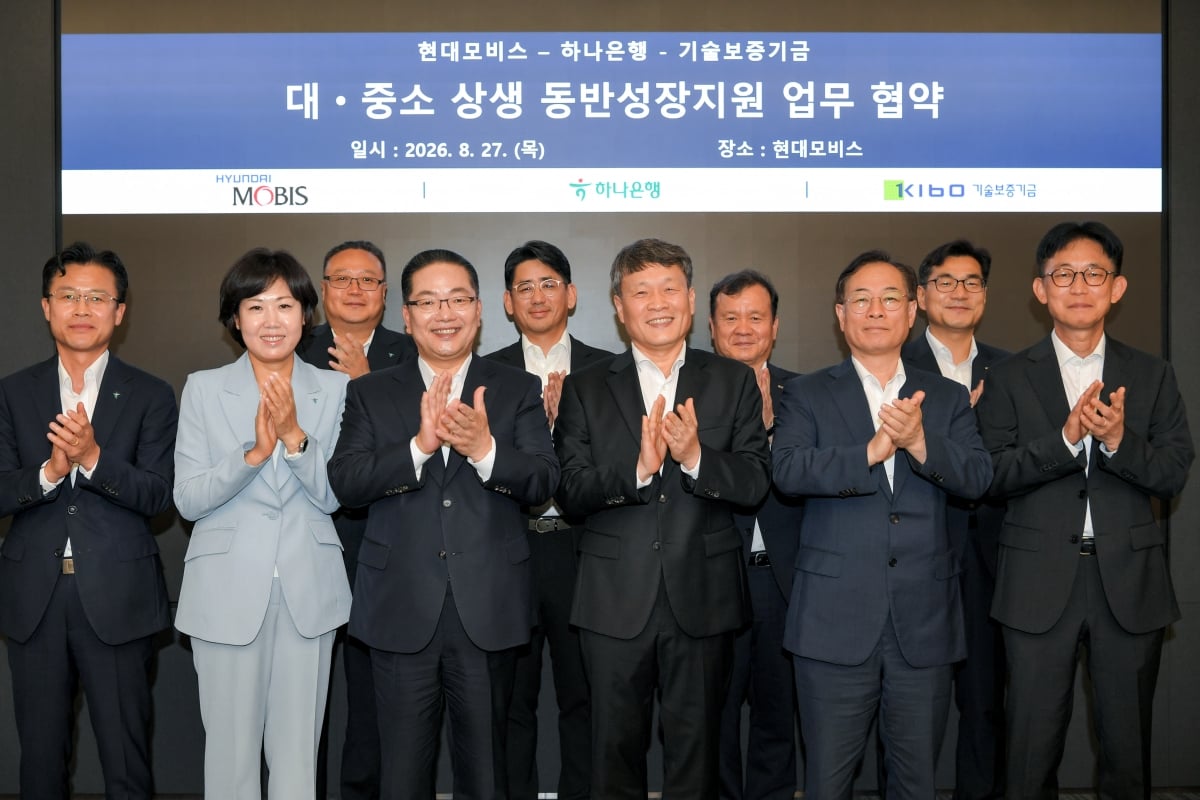
Hyundai Mobis is working with the financial industry to support parts suppliers, and has decided to include second- and third-tier small and midsize partners that had difficulty benefiting from existing financial programs [1]. The company says its goal is to strengthen the competitiveness of Korea’s automotive supply chain.
What matters here is that the support does not stop at first-tier suppliers. Automotive parts are structured so that a production disruption at one company can spread across multiple stages, so expanding access to finance further down the supply chain is closely tied to the foundation of business operations. However, this material alone does not confirm the scale of support or the effects on each partner. There is always a time lag between good intentions and actual results. Widening the pipes does not mean water reaches every home at the same speed.
China Results Show a Split Between Sales and Profitability ⚖️
CEO Score Daily reported that Hyundai Mobis’s local operating profit in China rose 2.6-fold even as Hyundai Motor and Kia’s China sales declined [3]. This is a useful indication that China’s business is difficult to assess through sales volume alone.
The simultaneous decline in sales and increase in operating profit puts changes in local business profitability at the center of the issue. However, the summary provided in the article does not show which business or cost changes drove the result. Rather than immediately extending this figure to represent the overall direction of the China business, it seems more appropriate to treat it as something that requires further confirmation of whether the profitability improvement will continue.
European Local Production Aligns with Policy
As the European Union pursues a plan to source 70% of electric-vehicle components within the region, reports said Hyundai Mobis began operating Europe’s first electric-vehicle drive-system plant this month in Novaky, Slovakia [2]. The plant was introduced as producing key components such as motors, inverters, and reducers locally, with annual production capacity of up to 280,000 vehicles [2].
Policy direction and production infrastructure have appeared on the same screen. The ability to produce core components locally in Europe could become a new axis for evaluating the electrification-parts business. That said, plant operations alone do not confirm orders or profitability. Production capacity is the starting line; actual utilization and customer volumes are the next questions. Both bullish and bearish scenarios coexist here.
Talent and Mass Production Are Key for Robots 🎯
There were also reports that Hyundai Mobis is working to secure robotics talent and accelerating mass production of actuators, described as core components of humanoid robots [4]. This takes the earlier robot-expansion trend one step further, bringing both the challenge of securing people and the shift to production into focus.
The stage of unveiling technology and the stage of mass-producing actual components are different in nature. The fact that talent acquisition and mass-production speed were mentioned together shows the execution variables behind business expansion, but the material does not discuss external customers or revenue contributions. Rather than declaring robots to be the immediate center of earnings, it is more measured to watch how quickly the production system takes root.
Here is how Sweet Potato would summarize the four perspectives. Financial support for the supply chain is material for strengthening the foundation, while the increase in China operating profit is a profitability puzzle. The European plant is a production base for localizing electrification, and actuators can be viewed as an option for expanding beyond automobiles. Still, there is no need to force these four paths into a single conclusion. This is also where the Onion and Peanut viewpoints could directly clash. The same material can lead to different conclusions depending on whether one places more weight on expanding the business scope or on customer volumes and profitability that have yet to be confirmed.
In the end, the questions are simple. Does the Slovakian plant’s production capacity translate into actual volumes? Does the improvement in China’s profitability continue? And, after mass production begins, which customers will the robot actuators connect with? Hyundai Mobis’s next chapter may become clearer through these execution scenes than through a list of technologies.
📰 Reference News (4)
Hyundai Mobis to Provide Financial Support to Second- and Third-Tier Partners… Mutual-Growth Guarantee Agreement
네이버뉴스 · 2026.09.16
📰 View original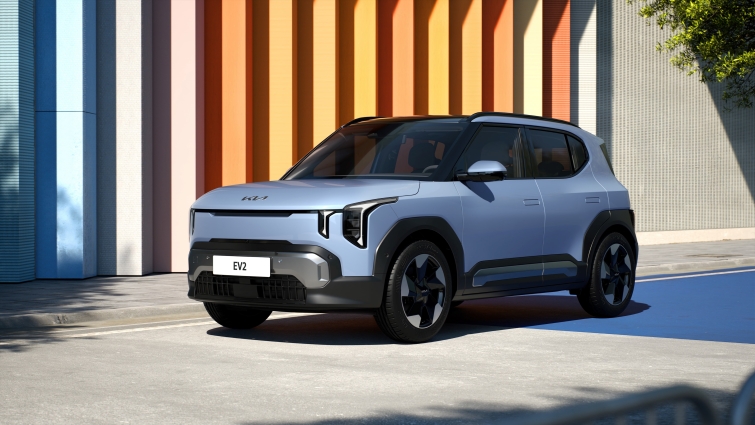
EU Pursues ‘70% In-Region Sourcing of Electric-Vehicle Parts’… Will Opportunities Grow for Kia and Mobis? - DealSite
네이버뉴스 · 2026.09.16
📰 View originalDespite Declining Hyundai Motor and Kia Sales in China… Hyundai Mobis’s Local Operating Profit Rises 2.6-Fold - CEO Score Daily
CEO스코어데일리 · 2026.09.15
📰 View original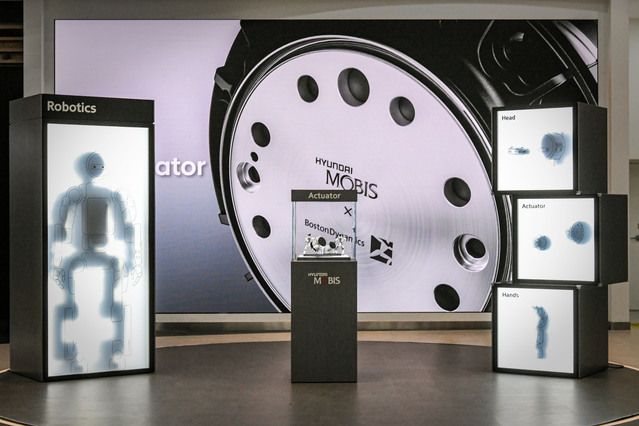
Hyundai Mobis Seeks ‘Robotics Talent’… Accelerates Mass Production of Actuators, the ‘Heart of Humanoids’ - NewDaily
뉴데일리 · 2026.09.15
📰 View original
Comments 0
to comment Login