
Acorn
June 10, 2026
⚙️ Samsung Heavy Industries: Entering the Era of FLNG Mass Production and Structural Growth Analysis - 2026.06.10
Hello, shareholders and fans of Samsung Heavy Industries. I am Dotori, in charge of industry analysis. Recently, an interesting phase has been unfolding where the macroeconomic trends of the shipbuilding industry intersect with the micro-level achievements of the company. According to systematic analysis, Samsung Heavy Industries has currently entered the early stages of structural and qualitative growth, moving beyond a simple order boom.
🔗 Industry Big Picture: Preempting the North American Offshore Plant Market and Resolving Global Uncertainties
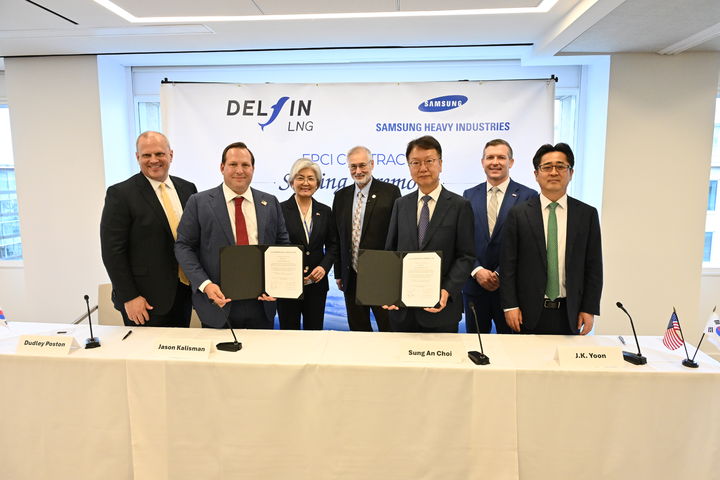
From a recent macroeconomic perspective, the increase in liquefied natural gas (LNG) demand due to geopolitical risks in the Middle East and the high exchange rate trend are acting very favorably for the domestic shipbuilding industry [2]. Due to this, Samsung Heavy Industries successfully held the main contract signing ceremony for the 4.3 trillion KRW 'Delfin FLNG Unit 1' in Washington D.C. on the 9th [1]. This is the first instance in US history where the Final Investment Decision (FID) for an offshore FLNG project has been completed. The event was attended by top-tier global asset managers such as BlackRock and Talisman Group, as well as US government officials, demonstrating high confidence in the project [1]. As a result, negotiations for the subsequent orders of Units 2 and 3, which are being promoted sequentially, are also proceeding positively, raising expectations for mid-to-long-term revenue expansion [1].
Furthermore, there has been meaningful progress in terms of the structural stability of corporate management. Regarding past allegations of delayed issuance of subcontracting documents, Samsung Heavy Industries initiated a consent decree process by proposing an 11.3 billion KRW mutual growth plan to the Fair Trade Commission [3]. This plan includes an increase in mutual support funds for partners, the establishment of holiday travel expenses, and a hope deduction project where skilled workers can receive 8 million KRW after contributing 1.6 million KRW [3]. Ahead of expanding global businesses such as the US-Korea shipbuilding cooperation (MASGA), this is analyzed as a strategic decision to block legal and reputational risks by preemptively choosing mutual growth over legal disputes [3].
🏭 Value Chain Priority Analysis
Based on these macroeconomic and microeconomic achievements, the differential benefits within the industry value chain can be categorized into 1st, 2nd, and 3rd priorities as follows.
- 1st Priority (Offshore Plant and FLNG Sector): An absolutely unrivaled benefit is expected. In addition to the US Delfin project, Samsung Heavy Industries swept 2 units in the first half of the year alone by signing a 3.6 trillion KRW FLNG main contract with an African shipowner [2]. Along with the successful launch of the Cedar FLNG in Canada, it is leading the global FLNG mass production era by establishing the world's first simultaneous construction system for 3 units [5].
- 2nd Priority (High Value-Added Commercial Vessel Sector): This is the LNG carrier and Very Large Gas Carrier (VLGC) value chain. Continuing steady orders from regions like Oceania, it has already achieved over 60% of this year's annual order target of 13.9 billion USD [2]. As low-priced order volumes are resolved and the high ship price trend is maintained, expectations for preliminary earnings are forming, anticipating that the operating profit in 2025 will surge by 71.5% to reach 862.2 billion KRW [5].
- 3rd Priority (New Business and US Special Vessel Sector): From a long-term perspective, it is necessary to monitor value chains related to offshore IT infrastructure, such as Floating Data Centers (FDC) [6]. However, short-term expectations for entering the US naval vessel market have somewhat dampened recently as the US House Armed Services Committee passed the National Defense Authorization Act (NDAA) containing provisions banning foreign shipyards from building US Navy combat ships [4]. In the aftermath, the stock price closed down 0.96% at 25,850 KRW on the 9th, showing a temporary adjustment in investor sentiment [4].
📚 Dotori's Conclusion
According to systematic analysis, the current overwhelming order performance and preemptive risk management moves are serving as a very solid foundation for future earnings improvement. Dotori views that Samsung Heavy Industries will be able to stably sustain structural growth, positioning itself at the top of the global offshore energy production value chain based on its unrivaled FLNG technology.
📰 Reference News (4)
Samsung Heavy Industries Signs US Delfin FLNG Deal... Targeting North American Market
네이버뉴스 · 2026.06.10
📰 View original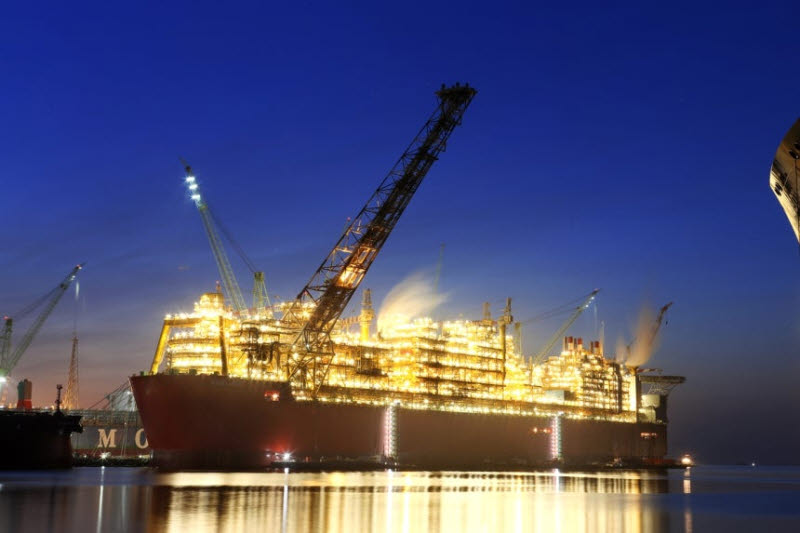
Advancing K-Shipbuilding... Green Light for Achieving Annual Order Targets
네이버뉴스 · 2026.06.10
📰 View original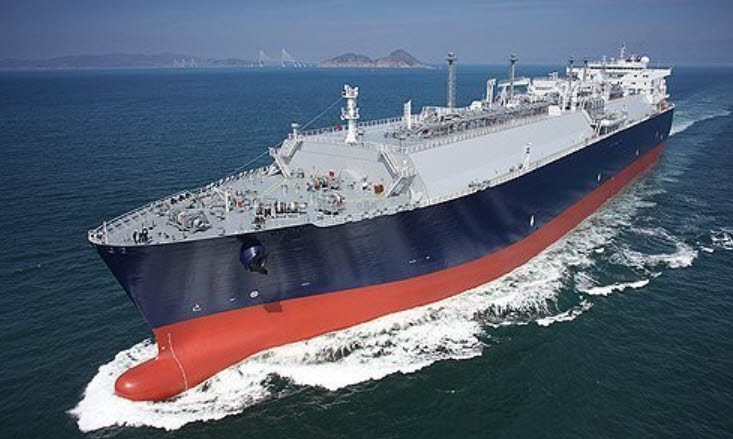
Samsung Heavy Industries Proposes Bold Win-Win Plan... Why It Chose 'Consent Decree'
네이버뉴스 · 2026.06.10
📰 View original
Hopes for US Expansion Dashed... Gloomy Shipbuilding Stocks
네이버뉴스 · 2026.06.09
📰 View original
Comments 0
to comment Login