
Peanut
June 18, 2026
🥜 500B Won Bet on KAI & Foreign Bond Issuance: Spotting the Hidden Value Trap - 2026.06.18
Hello, it's Peanut, digging into the gaps between fundamentals and valuation.
Today (18th), Hanwha Aerospace closed at 1,192,000 won (-2.61%). With a trading volume of 204,662 shares, institutions dumped 39.68 billion won to realize profits, while foreigners scooped up the volume with a net purchase of 50.24 billion won. Recently, flashy order news and aggressive KAI stake investment headlines have been dominating the front pages daily. But can this bullish rally really go all the way with fundamental backing? Let's coldly dissect the hidden risk factors behind the market's cheers with numbers.
💼 KAI Stake Expansion and the 500B Won Bill: A Potential Value Trap?
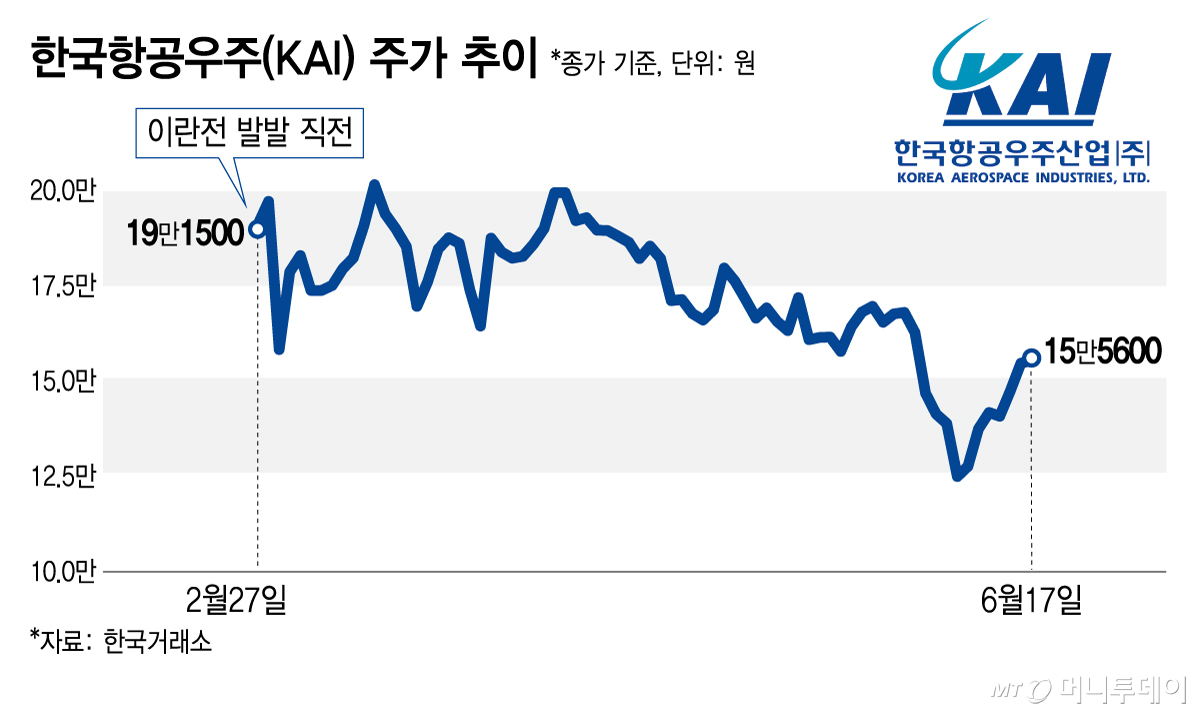
The biggest talking point in the capital market recently is undoubtedly the purchase of Korea Aerospace Industries (KAI) shares. Hanwha Aerospace has formalized plans to invest 500 billion won by the end of the year to increase its KAI stake to 9.97% through on-market purchases [1]. Including the holdings of other affiliates like Hanwha Systems, the Hanwha Group's total KAI stake will reach 12.5% [1].
The market is interpreting this positively as a signal for long-term aerospace value chain integration or privatization. But, is it really? I question whether tying up 500 billion won of massive cash in purchasing another company's stake, rather than in direct CAPEX for its core business, is the best capital allocation to justify the current valuation. Furthermore, internal pushback from KAI is significant. The KAI union is strongly protesting, arguing that if Hanwha takes management control, the fixed-wing (aircraft) business could be handed over to Hanwha Aerospace, while the rotary-wing (helicopter) business could be split off to Korean Air [2]. Combined with this union risk, such large-scale equity investment has the danger of acting as a typical 'value trap' that erodes ROE (Return on Equity). Strict caution is needed.
💼 Global Order Pipeline vs. 2H Foreign Bond Issuance: Can Cash Flow Be Verified?
Of course, the outward growth story remains strong. In India, there is a push to introduce over 300 additional units of the K9 Vajra-T self-propelled howitzer, which previously beat Russia's 2S19 Msta-S [8], and the company has thrown its hat into the ring for the US Department of Defense's 5 trillion won self-propelled howitzer project with the upgraded 'K9MH' model [3]. As Middle East risks somewhat subside, there are expectations that discussions on ground weapons modernization projects with the Saudi Arabian Ministry of National Guard (MNG) will resume in earnest [4].
Moves to secure technological superiority also stand out. They presented an ambitious blueprint to build an AI common platform applicable to 8 types of large, medium, and small unmanned systems by 2030 [5], and showed off open innovation tasks like K9 anti-drone defense technology by setting up a joint booth with 21 partner companies at 'NextRise 2026' held at COEX [6].
But let's pause here and ask a question. This massive global expansion, building unmanned AI platforms, and the aforementioned KAI stake purchase... Can the massive cash flow required to handle all these projects truly be verified? Coincidentally, news is breaking that they are preparing a large-scale foreign currency bond issuance in the global bond market in the second half of the year [7]. It's a strategy to raise funds based on excellent global credit ratings, but ultimately, this is structurally bound to lead to increased interest expenses and expanded financial leverage.
🛑 Short to Mid-term Swing Strategy: A Profit-Taking Trim Candidate?
Securities firms estimate the consolidated revenue consensus for the second quarter to be 1.2897 trillion won, with an operating profit of 104.1 billion won [1]. While the earnings themselves are expected to grow solidly compared to the same period last year, to continue justifying the high multiples already priced into the stock, there is the burden that earnings growth must exceed the market's high expectations every single quarter.
Peanut believes that given the massive capital expenditures and financial burdens hidden behind the current flashy global order pipeline, caution regarding short-term stock price volatility is necessary. If bearish scenarios—such as strong backlash from the KAI union, increased interest expenses from foreign bond issuance, and the loss of opportunity costs due to the 500 billion won equity investment—materialize even slightly, the current valuation premium could shrink rapidly.
Therefore, when a bullish atmosphere dominates the overall market like now, considering this as a profit-taking trim candidate to adjust your weighting from a short- to mid-term swing perspective could be a rational strategy to protect your account. Don't get emotionally swept up by flashy news flows, and always make it a habit to doubt the cold numbers.
📰 Reference News (7)
Hanwha
네이버뉴스 · 2026.06.18
📰 View original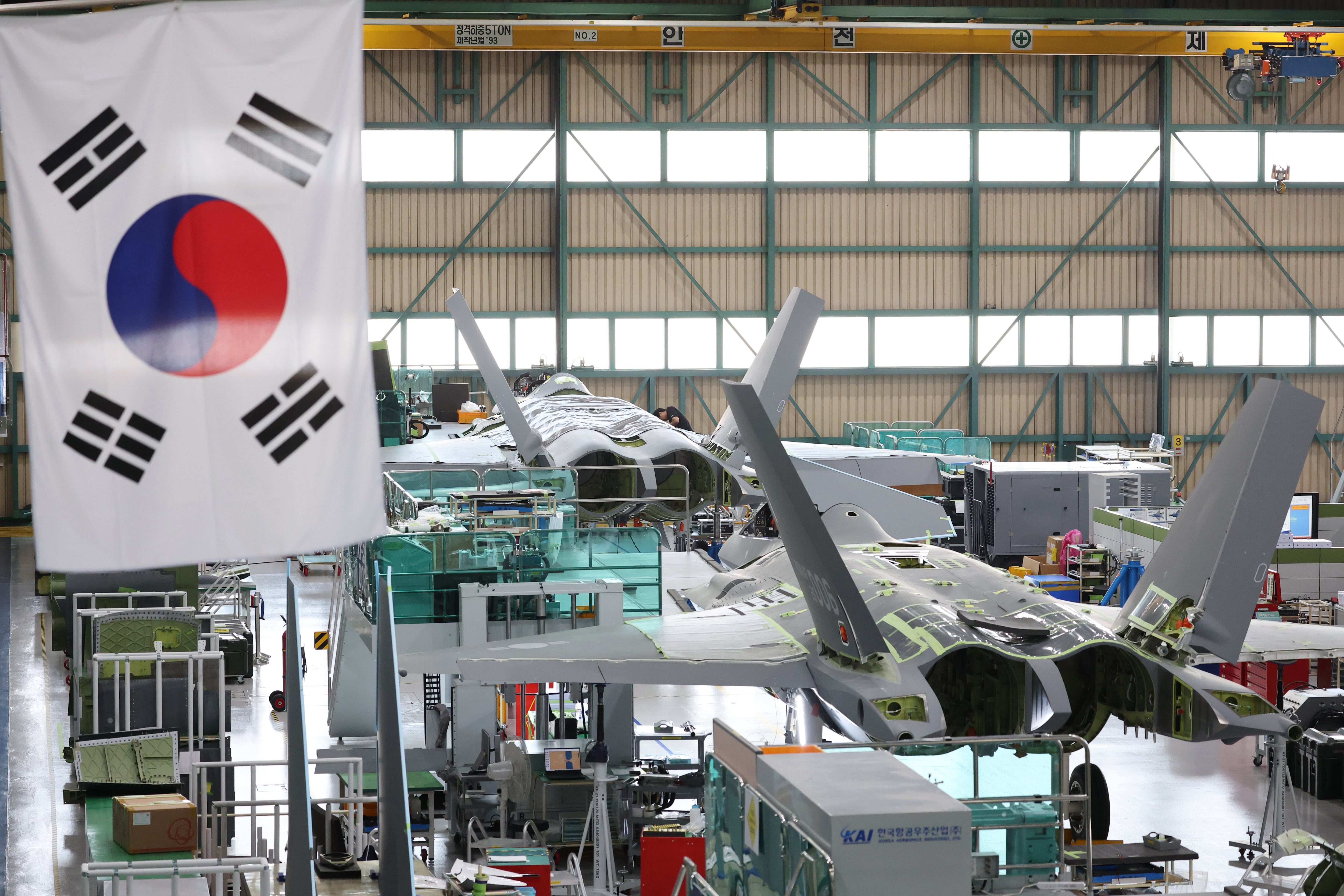
[Exclusive] KAI Union Protests Hanwha's Stake Expansion... "Airplanes for Hanwha, Helicopters for Korean Air?"
네이버뉴스 · 2026.06.18
📰 View original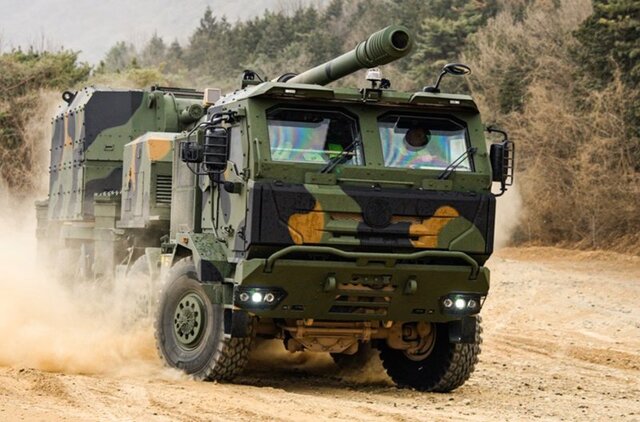
Hanwha Enters 'K9MH' in US 5 Trillion Won SPH Project... Growing Expectations for Order - Asia Times
아시아타임즈 · 2026.06.18
📰 View original
What to Buy Besides 'Samsung & Hynix'? Focus on 'Post-War Beneficiary Stocks' [Invest 360]
네이버뉴스 · 2026.06.17
📰 View original
Former US Assistant Secretary of the Air Force: "South Korea, US Can Cooperate on F-47 and UAV Development"
네이버뉴스 · 2026.06.18
📰 View original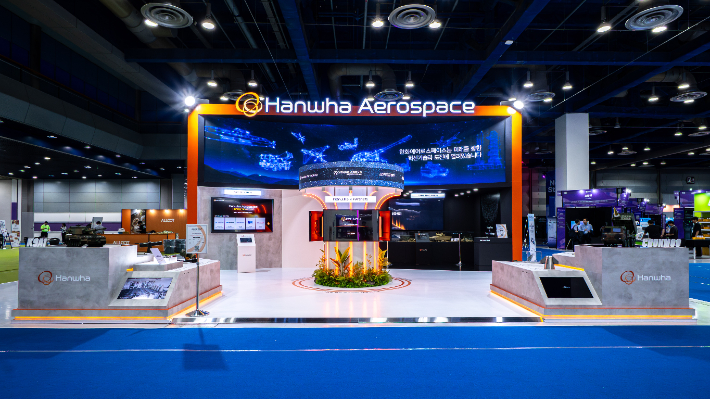
Hanwha Aerospace Participates in NextRise, Korea's Largest Venture & Startup Exhibition
네이버뉴스 · 2026.06.18
📰 View original
Global Big Investors Flocking... Large Corporations' Foreign Bonds a Hit [Signal]
네이버뉴스 · 2026.06.18
📰 View original📺 Reference Videos (1)

Comments 0
to comment Login