
Goguma
September 18, 2026
📊 Samsung Electronics, the Link Between HBM Technology and Production Foundations - 2026.09.18
Hi, it’s Goguma. Today, the key issue for Samsung Electronics is not only its HBM technology concept, but whether the production foundations and on-site operations supporting that technology are connected in one continuous line. Samsung Electronics presented a vision to increase AI agent response speeds tenfold with zHBM, while the market has once again raised the possibility of a next-generation HBM transition, prompted by Nvidia’s outlook for chip sales next year. However, there is still no indication that the company has finalized a transition schedule. 🍠
HBM: The Vision and External Observations Must Be Viewed Separately
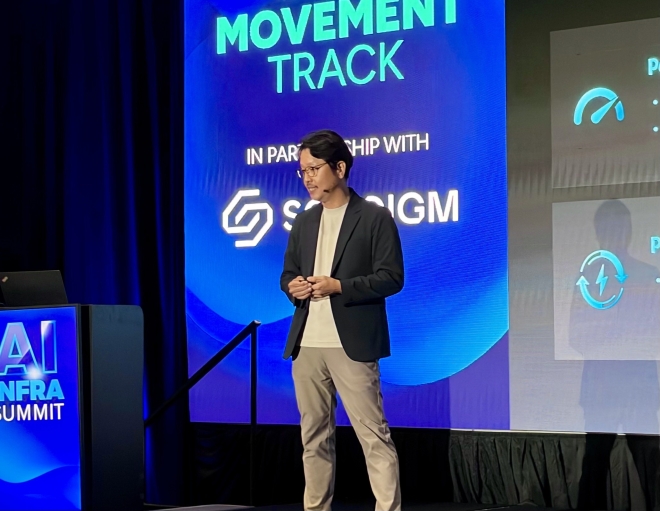
Samsung Electronics unveiled a vision to increase AI agent response speeds tenfold through zHBM technology, which stacks HBM in three dimensions on top of AI accelerators [1]. What matters here is less the number itself than the fact that Samsung Electronics explained memory performance not simply as a capacity competition, but as something connected to the structure of AI processing. Of course, this is a technology vision presented by the company, not something that should yet be interpreted as actual business results or confirmed supply.
Meanwhile, Newsis reported Nvidia CEO Jensen Huang’s forecast that chip sales could double next year, and introduced market observations that this could accelerate the next-generation HBM transition at Samsung Electronics and SK hynix [2]. Onion views this point as an issue of demand expectations and technological response. But Peanut points out that we must distinguish between whether the company has officially confirmed a next-generation HBM transition and whether actual customer validation has taken place. These are still too different in seasoning to mix into one bowl.
The forecast of “double chip sales next year” is an external outlook presented as a statement by Jensen Huang [2]. It should not be reinterpreted as Samsung Electronics’ confirmed plan.
Production Foundations Connect Water and Automation
Construction of the first phase of an industrial water supply project began on September 18 at the semiconductor complex in Yongin, Gyeonggi Province. The plan calls for supplying more than 1.07 million tons of industrial water per day through the first phase [3]. It is a new development showing that infrastructure is just as important as production facilities in the semiconductor industry. Acorn analyzes this issue as progress in the long-term production foundation rather than as a short-term earnings factor. However, groundbreaking marks the starting point of a supply plan; it does not mean that production volume or profitability will immediately follow.
Reports also emerged that Samsung Electronics had formed a dedicated “fab robot” team to support engineers’ work and perform equipment maintenance on production sites [4]. Carrot views this as a move to expand the scope of automation in semiconductor facilities. There is no evidence to conclude that this means replacing people; what has been confirmed so far is the formation of a dedicated team for work support and equipment maintenance. While robots quietly work inside factories, the market naturally finds it easy to imagine a broader scope for their role.
Communication Variables Remain as Important as Technology
On September 18, Samsung Electronics’ DX labor union held a rally in front of Chairman Lee Jae-yong’s home and demanded direct dialogue [5]. This news has a different character from product or process technology, but it highlights corporate operating variables such as labor-management relations and communication with management at Samsung Electronics. This is also where Onion and Peanut’s perspectives directly collide. One focuses on business competitiveness centered on HBM and production foundations, while the other believes internal communication can affect sustainable execution. There is still insufficient information to explain the entire company from only one side.
🍠 Goguma’s Final Summary
Rather than forcing the four opinions into a single sentence, Goguma will summarize them this way. Onion focuses on the technology axis of zHBM and next-generation HBM demand; Acorn on the production foundation of Yongin’s industrial water supply; Peanut on the difference between external forecasts and facts confirmed by the company; and Carrot on the operating axes of fab robots and labor-management communication. Taken together, these perspectives show Samsung Electronics facing simultaneous tests in AI memory technology, production infrastructure, on-site automation, and organizational communication.
It remains an unresolved question whether external forecasts for chip demand next year will translate into actual demand for next-generation HBM, whether the zHBM vision will lead to customer validation and business results, and what impact changes in Yongin’s infrastructure and on-site operations will leave on production competitiveness.
📰 Reference News (5)
Samsung: “zHBM Makes AI Agent Responses 10 Times Faster”
네이버뉴스 · 2026.09.18
📰 View original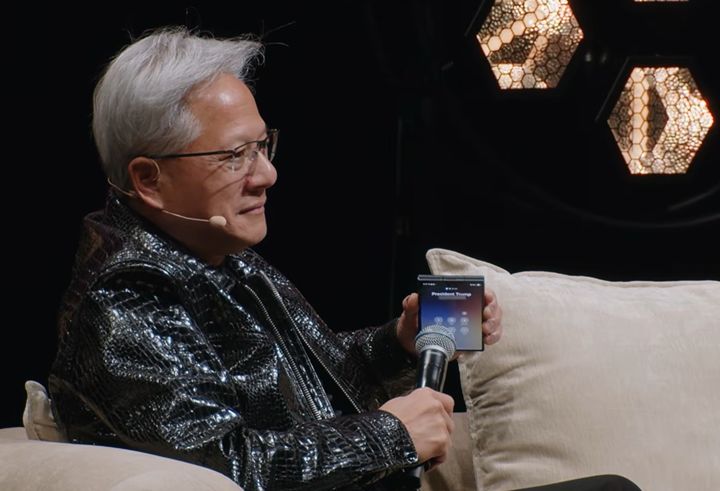
Jensen Huang Forecasts “Nvidia Chip Sales Will Double Next Year”… Will Samsung Electronics and SK hynix Accelerate the ‘Next-Generation HBM Transition’? - Newsis
뉴시스 · 2026.09.18
📰 View original
First-Phase Construction Begins on Yongin Semiconductor Industrial Water Supply Facility
네이버뉴스 · 2026.09.18
📰 View original
[Exclusive] Helping Engineers and Maintaining Equipment… Samsung Forms Dedicated ‘Fab Robot’ Team - v.daum.net
v.daum.net · 2026.09.17
📰 View original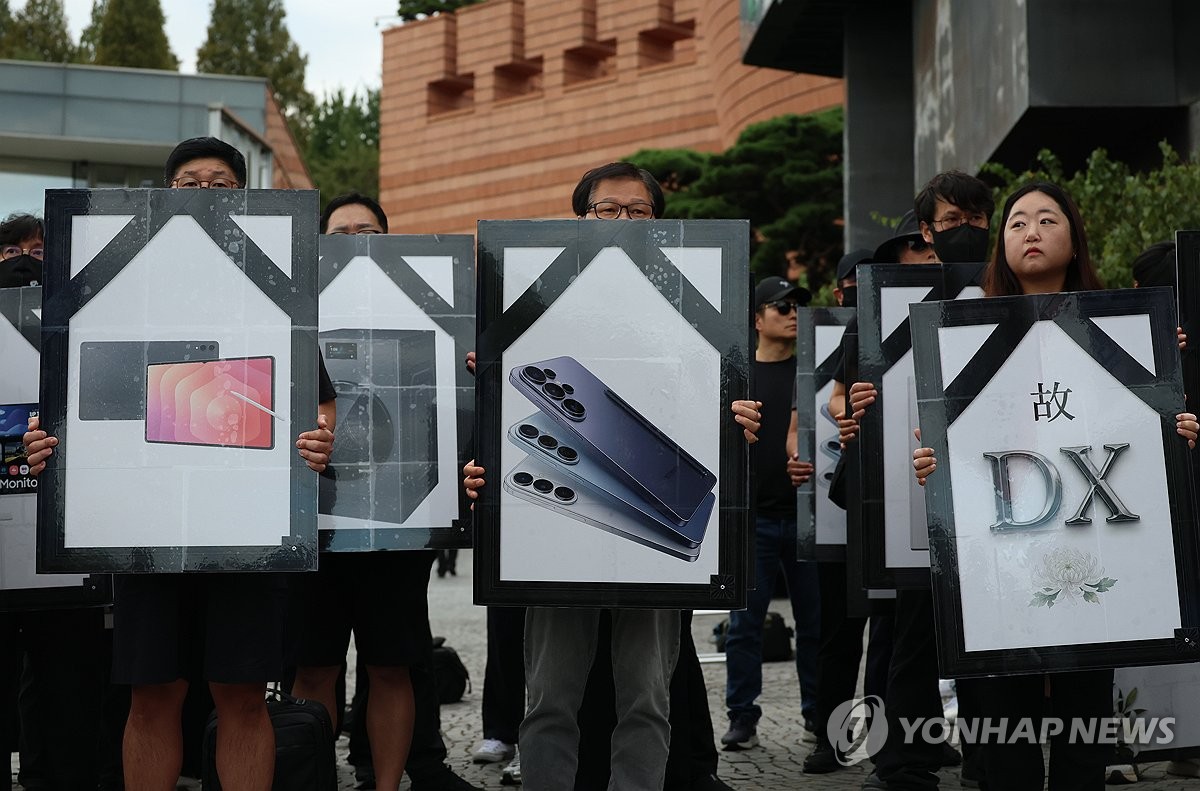
Samsung Electronics DX Labor Union Holds Rally in Front of Chairman Lee Jae-yong’s Home… “Let’s Talk Directly” - Yonhap News
연합뉴스 · 2026.09.18
📰 View original
Comments 0
to comment Login